FDA’s post-incident Executive Incident Summary of a 2026 Salmonella outbreak linked to MOGO-brand moringa supplements details traceback findings, positive product samples, and food safety deficiencies identified during inspections of firms in the moringa powder supply chain.
Of the 21 popular packaged children’s snacks, 14 contained at least one contaminant at levels Consumer Reports considered concerning. Conversely, testing also showed generally low levels of heavy metals, and seven products had no contaminants above CR’s levels of concern.
The Nara Organics infant botulism outbreak has ended, with four sick in three states. Whole genome sequencing (WGS) findings and a shared powdered milk supplier/processor indicate a common source of contamination with the 2025 outbreak linked to ByHeart infant formula.
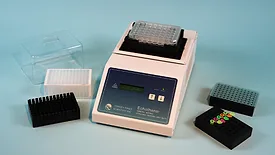
Both the SC20 and SC25 models incorporate a variable-speed orbital shaker, enabling simultaneous sample mixing and temperature control. The tools can be used for biological and other samples, with a number of applications, including sample storage.
The broad preemption provision in the proposed FDA FRESH Act could dismantle state and local food safety laws without establishing equivalent federal requirements, potentially affecting labeling, contaminant regulations, foodservice/retail, manufacturing, permitting, inspections, and other areas.
Controlling foodborne antimicrobial resistance requires a One Health approach centered on food hygiene. Although antimicrobial stewardship can slow the emergence and enrichment of resistant bacteria, existing environmental reservoirs mean that resistant bacteria can contaminate food regardless of antimicrobial use.
Together with the Thermo Scientific Vanquish Duo UHPLC System and new Isotope Discoverer Software, the instruments comprise an integrated workflow for molecular-level isotope ratio analysis. Potential applications include food and beverage authenticity by tracing the sources and pathways of contaminants.
In this episode of Food Safety Matters, we speak to Rhodes Yepsen, Executive Director of the Biodegradable Products Institute (BPI), about developments in California packaging policy and their potential implications for food processors and packaging manufacturers. Rhodes also discusses the role of compostable packaging in food waste reduction and the tradeoffs manufacturers must consider when balancing sustainability goals with food safety, product protection, and shelf-life requirements.
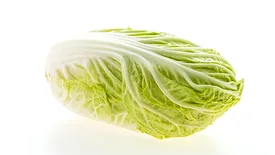
After an online video surfaced showing the illegal use of formaldehyde to preserve cabbage by a wholesaler, Chinese authorities launched an investigation, confirmed the practice, and ordered nationwide inspections of fresh produce.
The event will explore whether organizational investment in food safety culture has made a tangible impact on outcomes. FDA has also posted video recordings of past Food Safety Culture webinars and whitepapers summarizing each webinar.






.webp?height=168&t=1691503719&width=275 "FoodSafetyMattersFinal-900x550-(002).jpg")