USDA-FSIS Updates WGS Laboratory Method
The U.S. Department of Agriculture’s Food Safety and Inspection Service (USDA-FSIS) has updated its whole genome sequencing (WGS) laboratory method to incorporate the Illumina MiSeq i100 sequencing platform.
MiSeq i100 represents the next generation of MiSeq sequencing instrumentation featuring integrated sequencing chemistry and substantially reduced runtimes. FSIS reports that this modernization enhances its laboratory system's ability to generate consistent, high-quality genomic data with increased laboratory sample throughput.
The updated Microbiology Laboratory Guidebook (MLG) chapter 42, “Whole Genome Sequencing of Bacterial Isolates,” now includes protocols for using both the Illumina MiSeq and MiSeq i100 platforms. FSIS will begin integrating the MiSeq i100 platform starting in May 2026, through the remainder of the fiscal year as existing laboratory supplies are exhausted and additional i100 units come online across FSIS laboratories. The current MiSeq instrumentation remains fully valid and equivalent for WGS analyses and will continue to be used where appropriate.
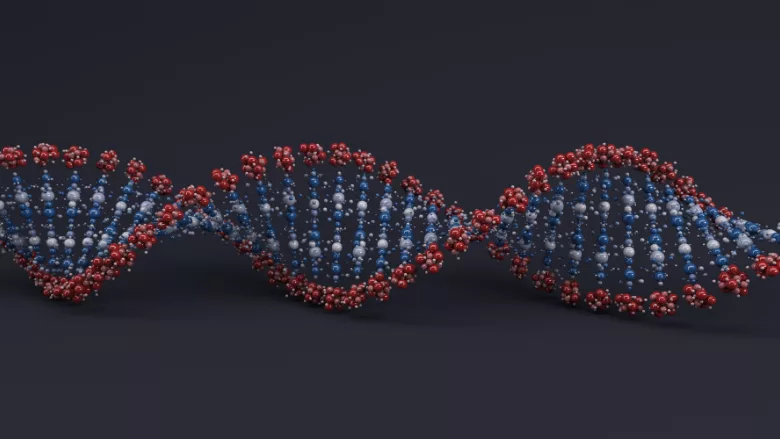
WGS determines the full DNA sequence of an organism in a single laboratory protocol, and FSIS performs WGS on every bacterial isolate obtained from regulated food product and environmental samples. This publicly available data supports foodborne pathogen monitoring, food safety research, and other regulatory applications.
FSIS notes that the inclusion of a specific commercial product in the MLG should not be considered an endorsement by the agency.
Looking for quick answers on food safety topics?
Try Ask FSM, our new smart AI search tool.
Ask FSM →