Food Safety
search
Ask Food Safety AI
cart
facebook twitter linkedin instagram youtube
  • Sign In
  • Create Account
  • Sign Out
  • My Account
Food Safety
  • NEWS
    • Latest News
    • White Papers
  • PRODUCTS
  • TOPICS
    • Contamination Control
    • Food Types
    • Management
    • Process Control
    • Regulatory
    • Sanitation
    • Supply Chain
    • Testing and Analysis
  • PODCAST
  • EXCLUSIVES
    • Food Safety Five Newsreel
    • eBooks
    • FSM Distinguished Service Award
    • Interactive Product Spotlights
    • Videos
  • BUYER'S GUIDE
  • MORE
    • NEWSLETTERS >
      • Archive Issues
      • Subscribe to eNews
    • Store
    • Sponsor Insights
    • ASK FSM AI
  • WEBINARS
  • FOOD SAFETY SUMMIT
  • EMAG
    • eMagazine
    • Archive Issues
    • Editorial Advisory Board
    • Contact
    • Advertise
  • SIGN UP!
NewsContamination ControlFood TypeMicrobiological ControlMeat/PoultrySeafood

Study is First to Analyze Trends in Foodborne Illness Outbreaks Linked to Non-Dairy Fermented Products
By Food Safety Magazine Editorial Team
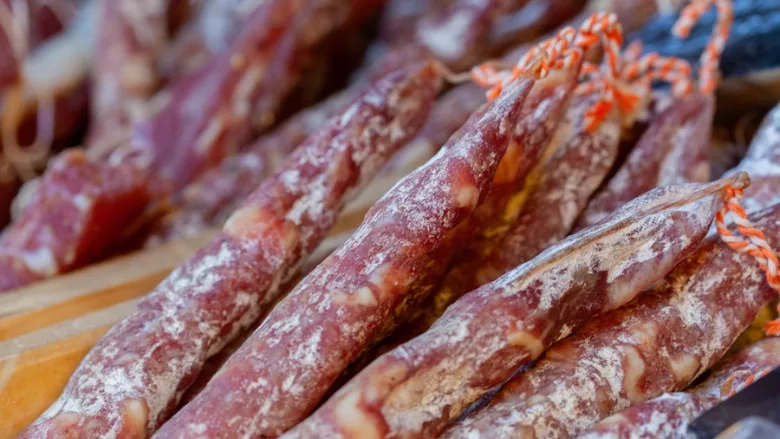
fermented meat
Image credit: Julia Filirovska via Pexels
May 29, 2026

In the U.S. between 2011 and 2023, non-dairy fermented foods (NDFFs) caused 39 foodborne illness outbreaks, resulting in 509 illnesses, 132 hospitalizations, and four deaths, according to a new analysis.

The analysis was authored by researchers with the U.S. Food and Drug Administration’s Human Foods Program (FDA’s HFP) and the U.S. Centers for Disease Control and Prevention’s National Center for Emerging and Zoonotic Infectious Disease (CDC’s NCEZID) and was published in the Journal of Food Protection. It provides novel information on NDFF outbreaks that can be used to better understand the safety of this food type and inform microbiological contamination control efforts.

Fermented and Cultured Food Illness Knowledge Gap

Fermented and cultured foods represent approximately one-third of the human diet, yet foodborne illnesses attributable to fermented foods may be underrepresented in the literature, according to the study.

Because food vehicles of illness are typically categorized by food type rather than how they were processed, cultured and fermented foods may not be distinguished from their raw ingredient source in outbreak reporting. The study sought to close this knowledge gap by determining the burden of illness attributable to NDFFs.

Clostridium, Salmonella—Most Prominent Pathogens

The researchers analyzed outbreaks reported to the Foodborne Disease Outbreak Surveillance System (FDOSS) from 2011 to 2023 for association with a nondairy fermented or cultured food vehicle. NDFF-associated outbreaks were further categorized by food vehicle type using the Interagency Food Safety Analytics Collaboration (IFSAC) Food Categorization Scheme. Outbreaks with unknown food vehicle sources or mixed sources were excluded from the analysis.

The 39 total outbreaks included in the analysis included 509 illnesses, 132 hospitalizations, and four deaths.

Clostridium botulinum caused the greatest number of outbreaks at 16 (or 47 percent of single-etiology outbreaks). Salmonella enterica caused the most illnesses at 307 (making up 64 percent of illnesses in single-etiology outbreaks).

Looking for quick answers on food safety topics?
Try Ask FSM, our new smart AI search tool.
Ask FSM →

Pathogen–Food Pairs Emerge 

Among the 28 confirmed, single-etiology outbreaks associated with an NDFF, the most frequently occurring pathogen–food category pair was C. botulinum linked to the “Other Aquatic Animals” category in six outbreaks involving goods like seal oil and whale. At the same time, S. enterica and cured pork products emerged as the pathogen–food pair responsible for the highest number of outbreak-associated illnesses (134) and hospitalizations (34), across two outbreaks.

Of the four deaths reported, two were attributed to C. botulinum; one linked to “Other Aquatic Animals” (i.e., whale) and one linked to “Fish” (i.e., fermented fish heads). The remaining two deaths were linked to L. monocytogenes-contaminated country-style deli ham and the other was linked to L. monocytogenes and Italian-style deli meats.

Also of note, four outbreaks linked to NDFFs were caused by meat and dairy alternatives, including cashew cheese in two outbreaks, and tempeh and fermented tofu in one outbreak each.

Outbreak Trend: Traditional Alaskan Fermented Products

Interestingly, Alaska reported NDFF outbreaks more frequently than any state, with 38 percent of all outbreaks (15) being in Alaska. Identified food vehicles included traditional Alaskan foods, including fermented black bear meat, fermented fish, fermented seal, and fermented whale.

The researchers explained in the study that C. botulinum has been cultured from coastal Arctic soils and fish, and that some preparation practices (e.g., seawater rinsing, holding meat on coastal rocks before fermentation) may provide additional opportunities for contamination. It has also been speculated that the transition from traditional woven baskets to plastic containers for food fermentation may support an anaerobic environment where spores may germinate more effectively.

Drivers of Fermented, Cultured Food Outbreaks 

With fermented foods of any kind, microbial contamination can occur before or during fermentation, including contaminated starting product or inadequate processing; after fermentation (postprocess cross-contamination); or when consumers handle the product. Because NDFFs are intended to be consumed without further cooking, the researchers stressed that proper fermentation practices and the use of preventive controls are essential for food safety.


KEYWORDS: Clostridium botulinum foodborne illness study

Share This Story

Fsm purple logo 200x200

The Food Safety Magazine editorial team comprises Bailee Henderson, Digital Editor ✉ and Adrienne Blume, M.A., Editorial Director.

Recommended Content

JOIN TODAY
to unlock your recommendations.

Already have an account? Sign In

  • people holding baby chicks

    Serovar Differences Matter: Utility of Deep Serotyping in Broiler Production and Processing

    This article discusses the significance of Salmonella in...
    Microbiological Control
    By: Nikki Shariat Ph.D.
  • woman washing hands

    Building a Culture of Hygiene in the Food Processing Plant

    Everyone entering a food processing facility needs to...
    Personal Hygiene/Handwashing
    By: Richard F. Stier, M.S.
  • graphical representation of earth over dirt

    Climate Change and Emerging Risks to Food Safety: Building Climate Resilience

    This article examines the multifaceted threats to food...
    Best Practices
    By: Maria Cristina Tirado Ph.D., D.V.M. and Shamini Albert Raj M.A.
Manage My Account
  • eMagazine Subscription
  • Subscribe to Newsletters
  • Manage My Preferences
  • Website Registration
  • Subscription Customer Service

More Videos

Sponsored Content

Sponsored Content is a special paid section where industry companies provide high quality, objective, non-commercial content around topics of interest to the Food Safety Magazine audience. All Sponsored Content is supplied by the advertising company and any opinions expressed in this article are those of the author and not necessarily reflect the views of Food Safety Magazine or its parent company, BNP Media. Interested in participating in our Sponsored Content section? Contact your local rep!

close
  • a group of workers in a food production facility
    Sponsored bySkillUp by Registrar Corp

    How to Build a Better Training Program: Data and Insights from the Global Food Safety Training Survey

  • the use of dual-energy X-ray food inspection technology to identify foreign contaminants.
    Sponsored byEagle by METTLER TOLEDO

    Precision Inspection Starts with the Right X-ray Detector

  • This image depicts a worker cleaning stainless steel machinery in a food processing plant
    Sponsored byCintas

    Employee Uniforms: A Frontline Defense Against Food Contamination

Popular Stories

curcumin in wooden spoon and bowl

‘Natural’ Food Dyes May Have Health Risks Too, Studies Show

common food allergens and the word ALLERGY

Codex Moves to Adopt Standardized Precautionary Allergen Labeling, Kicks UPFs Can Down the Road

FoodSafetyMattersFinal-900x550-(002).jpg

Ep. 218. Dr. Brady Carter: Water Activity, Shelf-Life Validation, and Food Safety Controls

a practical guide to spoilage investigation webinar

Events

June 3, 2026

How to Build a Better Food Safety Training Program

Live: June 3, 2026 at 2:00 pm EDT: Join this webinar to learn how AI is impacting food safety training, and how you can leverage AI in your programs.

June 4, 2026

Building a Stronger Food Safety Program in a Changing GFSI Landscape

Live: June 4, 2026 at 11:00 am EDT: Attend this webinar to understand how GFSI requirements are evolving and what those changes signal for quality programs at food and beverage facilities.

June 10, 2026

A Practical Guide to Spoilage Investigation and Prevention

Live: June 10, 2026 at 11:00 am EDT: Join this webinar to learn how to identify spoilage root causes, reduce risk, and apply data-driven strategies for prevention.

View All

Products

Global Food Safety Microbial Interventions and Molecular Advancements

Global Food Safety Microbial Interventions and Molecular Advancements

See More Products

Related Articles

  • cook cutting onion

    40 Percent of Retail Foodborne Illness Outbreaks Linked to Sick Employees, Says CDC

    See More
  • person holding romaine lettuce at grocery store

    FDA Petitioned to Stop Protecting Identity of Companies Involved in Foodborne Illness Outbreaks

    See More
  • cows eating in cages

    Congress Reintroduces Bill Giving FDA Authority to Investigate Corporate Livestock Operations Implicated in Foodborne Illness Outbreaks

    See More

Related Products

See More Products
  • 9781138070912.jpg

    Trends in Food Safety and Protection

  • 1119237963.jpg

    Food Safety in China: Science, Technology, Management and Regulation

  • 9781498721776.jpg

    Handbook of Food Processing: Food Safety, Quality, and Manufacturing Processes

See More Products

Related Directories

  • Food Safety News

    Food Safety News advances public health by delivering timely, accurate, and comprehensive coverage of foodborne illness outbreaks, recalls, and regulatory developments that impact the safety of our global food supply.
  • PLM TrustLink

    PLM TrustLink® is a comprehensive software platform for tracking & tracing food throughout the supply chain. From origin to destination, PLM TrustLink® utilizes unique product markers to provide transparency, traceability, and trust of key date elements through critical tracking events. The PLM TrustLink® solution delivers real-time actionable data to improve operational efficiency, food safety and regulatory compliance for customers.
  • Recall InfoLink Inc.

    Recall InfoLink is a subscription software that makes recall process management easier and more effective. The cloud platform enables companies across the supply chain to easily distribute recall information, track progress in real time, generate reports for compliance needs, and complete modernized mock recall exercises.
×

Never miss the latest news and trends driving the food safety industry

Newsletters | Website | eMagazine

JOIN TODAY!
  • RESOURCES
    • Advertise
    • Contact Us
    • Directories
    • Store
    • Want More
  • SIGN UP TODAY
    • Create Account
    • eMagazine
    • Newsletters
    • Customer Service
    • Manage Preferences
  • SERVICES
    • Marketing Services
    • Reprints
    • Market Research
    • List Rental
    • Survey/Respondent Access
  • STAY CONNECTED
    • LinkedIn
    • Facebook
    • Instagram
    • X (Twitter)
  • PRIVACY
    • PRIVACY POLICY
    • TERMS & CONDITIONS
    • DO NOT SELL MY PERSONAL INFORMATION
    • PRIVACY REQUEST
    • ACCESSIBILITY

Copyright ©2026. All Rights Reserved BNP Media, Inc. and BNP Media II, LLC.

Design, CMS, Hosting & Web Development :: ePublishing