

Mitigating Hidden Rodent Risks in Food Facilities
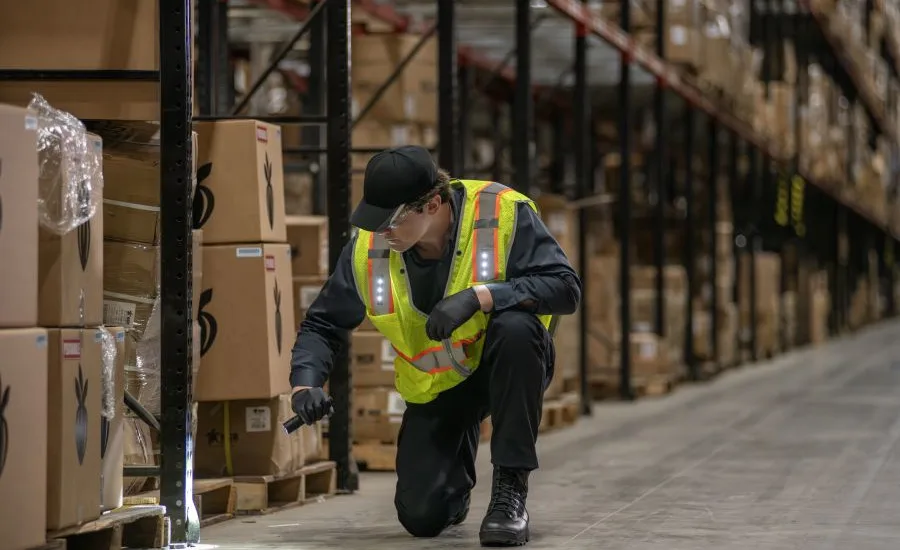
Modern food processing and distribution facilities are built for efficiency. To ensure the safe transit of ingredients and finished products throughout the facility, production zones, storage areas, utility lines, and loading docks must operate seamlessly together. However, the same intricacy that supports production can also introduce structural vulnerabilities that make it easier for pests to enter. For rodents, entering a food facility does not require an open door; even minor gaps can serve as initial entry points. Once inside, pests can exploit these hidden structural openings to navigate through wall cavities, ceiling voids, storage zones, and active production lines. For food safety and quality assurance teams, this means rodent activity may not just begin in the most visible areas of a facility but can instead start in the spaces between systems.
For facility managers, this shift from reactive to proactive care is critical to business continuity. An integrated pest management (IPM) program allows managers to move beyond temporary fixes, creating a layered defense that helps protect both the facility's structural integrity and its audit compliance. By prioritizing structural exclusion as a core component of daily operations, facility managers can close potential entry points before they become active pathways, preventing the hidden risks that threaten food safety and facility security.
Where Rodent Problems Begin
Food facilities are designed around the movement of ingredients, packaging, finished products, people, equipment, and waste. Each of these movement pathways can unintentionally create pest access points if not properly inspected and sealed.
Vulnerabilities often emerge during routine maintenance or equipment upgrades. Contractors may open walls and ceilings, new installations can require fresh utility penetrations, expansion joints may shift, and high-traffic door sweeps inevitably wear down. While these minor issues might seem negligible during rapid production cycles, unsealed or poorly sealed openings can degrade over time into structural flaws that rodents easily exploit.
Because rodents can navigate very small openings once they identify a protected route that leads to moisture or food odors, they may repeatedly use it. In a large food facility, these conditions can frequently occur near mechanical systems, loading areas, waste-handling spaces, and storage rooms. Because of that, serious concerns can be introduced, including damaged packaging and product contamination. The issue is not just that gaps exist, but that they are often difficult to detect until activity occurs.
Using Modern Technology to Detect Pests
To keep up with today's fast-paced environment, traditional inspections should be reinforced with digital monitoring systems. Continuous 24/7 remote oversight from Rentokil's PestConnect helps track exactly when and where rodents are active without interrupting daily workflows. Rather than relying strictly on periodic walkthroughs, this technology allows facility teams and pest management professionals to recognize patterns earlier, visualize the data clearly on facility maps, use the data to drive more comprehensive inspections for exclusion opportunities, and deploy a more efficient response that can mitigate the risk of an infestation developing. These digital insights are particularly invaluable for exposing rodent movement within hidden pathways and areas that can otherwise be difficult to detect.
Digital monitoring and exclusion work together. Monitoring helps reveal where rodents may be active, and exclusion seals off the access points and pathways that facilitate that activity. The data gathered from digital monitoring systems can guide a more focused structural inspection where pest management professionals can look for nearby gaps, penetrations, damaged seals, or other conducive conditions in the facility. Once the issue is found, exclusion work can be performed to close off the entry point.
Exclusion Begins with the Building
Exclusion is one of the most important foundations of an effective pest management program. It acts as your facility's first line of defense against pests. Rather than relying purely on reactive control measures, it prioritizes proactive prevention by identifying, sealing, and maintaining structural areas to block rodents from entering or navigating through the building.
In food facilities, exclusion should be treated as an ongoing process. Due to repeated impact, dock areas, doors, and seals can inevitably begin to wear down, leaving room for gaps and entry points in areas where rodents can enter. Rodents do not need much space to enter a facility; mice can fit through openings as small as one-quarter of an inch, while rats can squeeze through spaces as small as half an inch. These vulnerabilities are not only a priority for older facilities. Even a well-maintained facility can develop new or unseen entry points after equipment upgrades or repeated impact around service areas.
An effective exclusion program should look further than inspecting the obvious exterior doors and should be customized to fit your business's specific needs, focusing on areas where rodents are most likely to hide. This requires a comprehensive perspective that looks past common, ground-level hotspots to also include higher, less visible areas where pests can often gain undetected access.
A Proactive Approach Supports Food Safety
A proactive pest strategy relies on routine structural assessments that are informed directly by facility data. If service reports or monitoring data point to activity near a specific area, the inspection should focus there first. This data-driven focus allows facilities to identify vulnerabilities that may be contributing to the issue, execute repairs, and document the corrective action.
In addition to structural exclusion, comprehensive sanitation and waste management are critical components of a successful strategy. Food residue, stagnant water, waste, and clutter can make a facility more attractive to rodents, even when the building is generally well-maintained. When sanitation practices and structural repairs are reviewed together, facilities are better positioned to reduce pest pressure and prevent recurring issues.
In food facilities, rodent management serves as an integral pillar of a broader risk management framework. Minor structural vulnerabilities can quickly escalate if pests are able to access critical areas containing ingredients, packaging materials, equipment, or waste. Addressing these conditions early safeguards both the physical facility and the products moving through it.
Comprehensive documentation ties these efforts together. Maintaining detailed logs of inspection findings, repair records, service data, and digital monitoring insights helps facility members and your pest provider identify long-term trends and address vulnerabilities before they become larger issues.
Closing the Gaps Before Rodents Find Them
An effective integrated pest management program is about building a resilient, proactive defense, not just reacting to infestations. By prioritizing structural exclusion, digital monitoring, and rigorous sanitation, food facilities can gain better visibility into rodent pressure and take a more targeted, proactive approach. This intelligence-led approach allows your business to move beyond basic audit compliance, fundamentally safeguarding your operational continuity and the integrity of the products reaching your customers.


