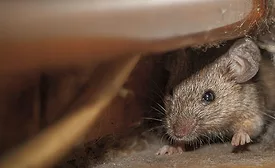
With warmer weather comes increased pest pressures, threatening flock health and food safety in pre-harvest poultry operations. Insects and rodents act as vectors for pathogens, making robust integrated pest management, complemented by effective chemical control, essential to reducing contamination risks.
The key to achieving long-term pest management success is fostering a year-round, collaborative relationship between facility managers and a professional pest control partner to implement an integrated pest management (IPM) plan.
Excellence in food safety for meat and poultry, from the farm to the processing plant, encompasses a number of steps to eliminate threats like Listeria, Salmonella, Campylobacter, foreign material, and spoilage organisms that prematurely limit shelf life.
Do engaged, informed, and empowered sanitation teams act as a predictor of success for an integrated pest management (IPM) program? With excellent food safety risk management behaviors, a frontline sanitation team can help manage existing risks and identify new ones, dramatically reducing the potential of product contamination due to pest activity in a facility. This article describes an action plan to help achieve these goals.