Food safety teams are being asked to manage more risk on tighter margins, and traditional methods keep scaling cost with production: more chemicals, more labor, more downtime. Meanwhile, the largest food contact surface in any plant, the ambient air, is often the least monitored. The U.S. recorded 296 food recalls in 2024, of which pathogens drove 39 percent; the average recall costs $10 million before litigation.
This 30-minute session shows how continuous hydroxyl-based air and surface treatment closes the gap between sanitation cycles, working in occupied space alongside your existing program, with documented outcomes from meat, beverage, dairy, and bakery facilities.
Key takeaways for attendees:
- Why ambient air is the largest and most overlooked contamination zone in food processing, and what it costs you between scheduled cleans
- How continuous treatment reduces airborne and surface microbial load in occupied, active production environments without shutdowns or chemical residue
- The real economics: cost-per-square-foot, chemical and labor reduction, recovered production days, and documented payback timelines
- Field-proven results, recovering production days and payback in under 12 months
Speakers:

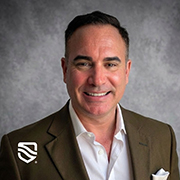
Moderator: Adrienne Blume, Editorial Director, Food Safety Magazine
Sponsored By