


Fly Control in Food Processing Facilities: Managing Seasonal Food Safety Risks
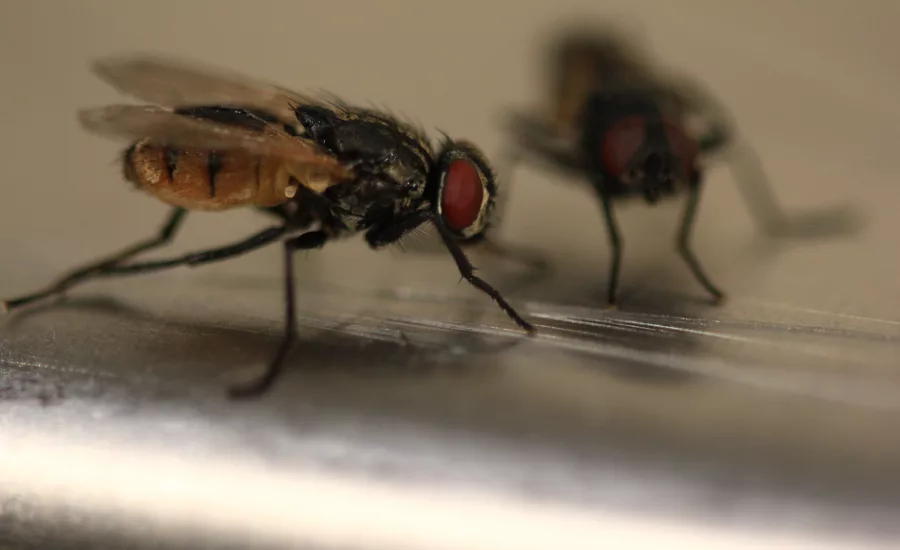
Figure 1. Regularly cleaning waste bins, including power washing the concrete pad beneath them, can help remove fly-attracting scents and buildup
Why Fly Control Should Be a Regulatory and Audit Priority
Flies are often treated as a nuisance, but in food processing environments, they can act as disease vectors and contribute to costly operational disruptions. Flies move toward the conditions they need to survive: moisture, food, and warmth.1 By limiting access to resources, food safety professionals can help reduce fly-related risks.
Under Section 402(a)(4) of the Federal Food, Drug, and Cosmetic Act, food may be deemed adulterated if it is exposed to conditions where contamination may occur.2 Fly activity aligns with that concern because these insects move freely between waste sources and food-contact surfaces, potentially spreading pathogens.3
Pest prevention prerequisite programs must show that risks are identified, documented, and addressed through corrective action. Modern food safety systems, including Food Safety Modernization Act (FSMA) Preventive Controls and Global Food Safety Initiative (GFSI)-benchmarked standards, depend on integrated pest management (IPM) practices as part of a pest management prerequisite program.
IPM is a science-based pest control approach focused on prevention, monitoring, documentation, and targeted treatment, using the lowest-risk methods that are effective to help minimize pest risks, especially in regulated environments such as food processing facilities.
Where Fly Activity May Point to Preventive Control Gaps
Small structure-infesting flies, including drain and phorid flies, are weak fliers and usually remain close to the conditions they need to survive and reproduce.
Drains and Biofilm
Drains are a common breeding site for small structure-infesting flies. Organic material collects in and around drains, creating biofilm that supports larval development. Surface cleaning may improve appearance, but unless that buildup is removed, the food source remains.4
Bleach does not remove biofilm—it tends to slide over it. Instead, facilities should physically scrub drains and use a biological drain cleaner with enzymes that can break through the buildup, such as Orkin Actizyme®.
Waste Handling and Dumpster Areas
Waste areas create strong odor cues that attract multiple fly species, including filth flies like house flies and small flies like phorid flies. Inadequate cleaning or dumpsters positioned too close to buildings can support fly populations that move toward production areas.4 Exclusion practices are also critical around doors located near dumpsters. Doors must be kept closed when not in use, and door seals should be maintained.
Dumpsters should be cleaned regularly, including pressure-washing the concrete pad beneath them to remove residue that can attract and sustain fly populations. When waste haulers replace dumpsters, those units should be cleaned before delivery (Figure 1)
Moisture and Condensation
Flies need moisture to survive. Condensation lines, leaks, and standing water can create ideal breeding conditions. Organic material with a high moisture content is required for successful fly development.3
Receiving and Loading Docks
Food processing facilities are especially vulnerable to fly activity near entrances and loading docks, where flies can enter from outside. Doors should not be left open when not in use. When closed, doors should seal tightly on all sides. Mechanical controls, such as air curtains, can help create barriers that are difficult for flies to penetrate.
How Can Fly Activity Affect Audit Readiness?
In the current regulatory environment, auditors review documentation as evidence of preventive pest management, including fly control. To meet FSMA-aligned Food Safety Plan standards, pest prevention prerequisites must show that issues are addressed through documented monitoring procedures, activity thresholds, pest sighting logs, corrective actions, and verification.
If fly activity is found, auditors will evaluate the facility's response. They will ask questions such as: Was the source identified? Were corrective actions completed? Was the treatment effective?
When selecting a pest management partner, consider providers that include thorough and detailed documentation as part of their services. For example, Orkin InSite®, Orkin Commercial's digital pest management reporting platform, helps facility managers locate reports, manage multiple locations, track pest trends, and receive proactive program recommendations.
In food processing facilities, several types of documentation are needed to meet auditor standards, including but not limited to:
- Initial risk assessments and defined action thresholds for preventive controls
- Detailed service reports documenting activity and actions taken
- Pest sighting logs and trend reports
- Compliance documents such as licenses, insurance, training verification, and other certifications.
The Orkin InSite system is designed to house and archive documentation requirements for quick and easy retrieval, as required by FSMA.
Food processing managers should also maintain logs of reported pest sightings. These logs are expected by auditors and can help facilities identify pest issues early, recognize patterns, and verify the pest prevention prerequisite through trending analysis, which can be conducted through the InSite system. To give auditors an accurate view of the facility's IPM plan, log entries should include corresponding documentation of actions in place and preventive controls taken.
Each log should capture these details about the pest sighting:
- Date and time
- Individual reporting the activity
- Pest identification, including a sample if captured
- Exact location
- Actions taken to avoid future occurrences.2
Fly Prevention Strategies Within a Pest Prevention Prerequisite
Effective fly control is built on structured, evidence-based IPM programs that emphasize prevention, monitoring, and documentation.1 These programs reflect standards-driven methodologies supported by trained professionals who understand regulatory expectations and facility operations.
Inspection: Finding the Source
Effective fly control starts with a structured inspection protocol focused on the conditions that support fly survival and reproduction inside and around commercial food environments. Common areas where ideal conditions exist can include:
- Drains and pipe systems: Check for organic accumulation and biofilm formation, which are primary breeding sites for phorid flies, dark-eyed fruit flies, and drain flies.
- Ingredient storage zones: Identify improperly stored or exposed raw materials that attract large and small filth flies.
- Waste and dumpster areas: Implement strong exclusion practices around building entrances near dumpsters and check for residue and buildup. All exterior trash receptacles in exterior break areas should have self-closing lids to help keep pests out.
- Structural access points:4 Document access points, failing door seals, and screen integrity at loading docks, vents, windows, and receiving areas.
Orkin Commercial technicians conduct facility-specific inspections as part of a structured IPM program, producing documented findings that support FSMA Preventive Controls compliance and GFSI audit readiness.
Sanitation: Removing Breeding Sites
Flies rely on moist organic material to feed and complete their lifecycle. Sanitation practices can help remove the organic material flies need to survive and reproduce:
- Mechanically remove heavy debris accumulations from drains, and supplement drain cleaning with biological cleaners. Enzymes in biological cleaners help remove biofilm, not only surface residue.
- Keep waste containers away from building entrances, use self-closing lids on exterior trash receptacles (including those used in exterior employee break areas and truck driver entrances), and clean the receptacles regularly.
- Use sanitation and cleaning practices to remove debris and organic buildup from production zones and around the exterior, including bulk unloading zones and rail spurs.3
Exclusion: Controlling Access
Exclusion measures help keep flies outside the facility:
- Maintain door sweeps and test them with the "dollar bill test." If a dollar bill can slide under the door sweep, then it is no longer effective and should be replaced immediately.
- A 16 mesh screen will exclude most flies. Fungus gnats and Drosophila fruit flies require an even smaller mesh size of 20. Confirm that all screens fit tightly without gaps.
- Use air curtains at entry points to create a blast of air that is difficult for flies to penetrate.
- Work with an HVAC professional to maintain the building's positive air pressure. Negative air pressure can draw and pull flies into the structure through air currents.4
Mechanical Controls: Monitoring Activity
Monitoring tools help verify effectiveness and support trend analysis:
- To maximize capture rates and support trap service, install insect light traps (ILTs) at approximately 5 feet off the ground. This placement supports proper functionality and provides the recommended height for maximizing capture rates.
- Avoid placing traps near food or food-contact surfaces to help prevent the attraction of flies to those areas.
- Use capture data to identify patterns of fly activity in your facility.4
How Fly Control Involves the Whole Team
Sustained fly control depends on coordination across teams and consistent execution.
- Sanitation teams address organic buildup and prompt waste removal.
- Maintenance teams keep exclusion measures, including door seals, in good working condition.
- Quality and operations teams verify documentation and corrective actions to reinforce current Good Manufacturing Practices (cGMP) compliance and stay audit-ready.
Facilities that integrate these functions into everyday operations are better positioned to protect the integrity of the food they produce and avoid costly operational disruptions and damaging shutdowns tied to audit findings.
Working with pest control partners that understand the demands of food processing environments and provide proactive guidance, structured programs, and audit-ready documentation can help facilities stay prepared year after year. Orkin Commercial partners with food processing facilities, commercial kitchens, warehouses, and distribution centers across North America to build and maintain consistent, proven, audit-ready pest prevention prerequisite programs. Learn more about Orkin Commercial's IPM programs for food processing facilities here.
Frequently Asked Questions (FAQ)
What causes fly infestations in food processing facilities?
Fly infestations inside food processing facilities are driven by three primary conditions: moisture accumulation (in drains, condensation lines, and standing water), organic material buildup (biofilm in drains, waste, and residue), and structural access points (gaps at loading docks, failing door sweeps, and inadequate screens).
These conditions intensify during warmer months, when fly development cycles shorten significantly. Each successive generation produces more flies, with populations peaking in late summer. Some species can complete a full lifecycle in as few as 7–10 days under optimal temperature and humidity conditions.3
Why are flies a concern for food safety compliance?
Flies can carry pathogens such as Salmonella and E. coli and move freely between contaminated and clean surfaces, increasing the risk of cross-contamination.3
How quickly can fly populations grow?
Fly populations can grow exponentially in food processing environments. Under favorable conditions (temperatures above 70 °F with adequate moisture and organic material), common facility pest species including house flies (Musca domestica), drain flies (Psychodidae), and Phorid flies can complete a full lifecycle in 7–14 days. A single female house fly (Figure 2) can lay up to 500 eggs in her lifetime. This rapid reproduction rate is why proactive IPM monitoring and early intervention are essential to helping prevent infestations before they trigger audit findings or contamination events.3

What documentation is required for fly control programs?
Facilities should maintain pest sighting logs, corrective action records, detailed pest management service reports, and validation documentation tied to the Food Safety Plan.
How do flies impact food safety audits?
Fly activity can signal breakdowns in sanitation, maintenance, or preventive controls. Auditors evaluate both the presence of pests and the effectiveness of corrective actions and verification processes.
Are insect light traps enough to control flies?
No. Insect light traps are monitoring tools that support an IPM program. Effective control depends on inspection, sanitation, exclusion, mechanical controls, and continued monitoring and evaluation.4
Key Takeaways for Food Processing Facilities
- Fly activity is often connected to moisture, organic buildup, and structural access points.
- Flies can spread pathogens such as Salmonella and E. coli, creating food safety concerns.
- Sanitation gaps, openings, and airflow conditions are key contributors to fly activity.
- Pest prevention prerequisites within Food Safety Plans must show monitoring, corrective action, and verification.
- Documentation and trend analysis are critical to maintaining audit readiness under FSMA and GFSI frameworks.
Website: https://www.orkin.com/commercial
References
- Orkin. "Fight the Fly." Orkin Commercial Blog. https://www.orkin.com/commercial/blog/fight-the-fly.
- U.S. Food and Drug Administration (FDA). "Section 402(a)(4)." Federal Food, Drug and Cosmetic Act. Content current as of March 28, 2018. https://www.fda.gov/regulatory-information/federal-food-drug-and-cosmetic-act-fdc-act/fdc-act-chapter-iv-food.
- Orkin. "What Can You Do to Fend Off Flies?" Orkin Commercial Blog. https://www.orkin.com/commercial/blog/what-can-you-do-to-fend-off-flies.
- Orkin. "Fly FAQs to Help With Commercial Fly Pest Control." Orkin Commercial Blog. https://www.orkin.com/commercial/blog/fly-faqs-to-help-with-commercial-fly-pest-control.


