The defining lesson of 2025 is that resilience, not reactivity, must become the global food sector’s new standard. Supply chains were tested by climate disruption, geopolitical shocks, and surging costs, while consumer expectations and regulatory requirements continued to rise. At the same time, businesses deepened their use of digital tools and began to test AI to strengthen transparency, traceability and risk prediction—although many still face barriers from fragmented data and cultural resistance.
LRQA’s latest food safety and culture benchmark confirms that most organizations now operate at a compliance-driven level, with culture and early risk identification remaining the weakest links. The opportunity for 2026 lies in moving further upstream: embedding predictive insight, strengthening human factors, and redefining food safety KPIs alongside financial and sustainability metrics.
This webinar will bring together LRQA experts and industry leaders to examine how the events and lessons of 2025 will shape 2026. From managing new legislative requirements to addressing rising consumer scrutiny and "cancel culture," panelists will explore how businesses can build food systems that are digitally enabled, culturally strong, and capable of anticipating and preventing disruption.
Speakers:
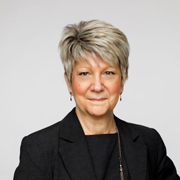
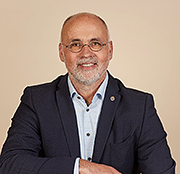
Leon Mol, Ph.D. was educated as an agronomist at Wageningen University. After working in the potato supply chain, he was employed Albert Heijn in The Netherlands, working on the long-term availability and sustainability of fresh fruit and vegetables, flowers, and plants, with an emphasis on food safety and social compliance. In 2015, the scope of work broadened to the global level of Ahold and included product sustainability and animal welfare for all food and non-food product categories. Since April 2023, Dr. Mol oversees product safety in the supply chains for all products and activities under the umbrella of Ahold Delhaize.
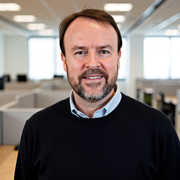
Moderator: Adrienne Blume, Editorial Director, Food Safety Magazine
Sponsored By: