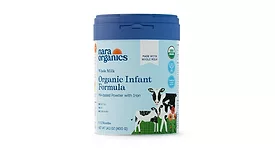
The Nara Organics infant botulism outbreak has ended, with four sick in three states. Whole genome sequencing (WGS) findings and a shared powdered milk supplier/processor indicate a common source of contamination with the 2025 outbreak linked to ByHeart infant formula.
The researchers determined that probabilistic modeling could help food businesses capitalize on existing scientific data to map processing and formulation conditions for controlling non-proteolytic C. botulinum in refrigerated, processed foods of extended durability.
The report examines spore-forming, botulinum toxin-producing clostridia that pose persistent challenges for food production, including C. botulinum, C. perfringens, and C. difficile. It reviews disease burden, outbreak risks, prevention strategies, detection methods, and significant epidemiological data gaps.
JEMRA convened in June to review the latest scientific evidence on microbiological hazards that have recently been associated with public health events due to the contamination of powdered infant formula or its ingredients.
Four infants in three states have been hospitalized with botulism after consuming Nara Organics Whole Milk Organic Powdered Infant Formula. California public health officials have detected Clostridium botulinum in an open can of Nara Organics formula collected from the home of an outbreak patient.
For a time, ByHeart Nutrition and Nara Organics both used Organic West milk dried by Dairy Farmers of America in their infant formula products (confirmed by Food Fix). Both brands have been implicated in botulism outbreaks that occurred within months of each other.
New ByHeart-commissioned research suggests that sulfite-reducing clostridia (SRC) enumeration, the “gold-standard” test for C. botulinum in powdered infant formula, which was used by Nara Organics prior to the ongoing outbreak, is insufficient. Experts who spoke to Food Safety Magazine agree C. botulinum should be considered as a foreseeable hazard requiring specific preventive controls.
Three babies in three states have been sickened in the second infant botulism outbreak identified since late-2025. All patients were fed Nara Organics Whole Milk Infant Formula. A recall has been issued, and product testing is underway.
In carrot puree, a low-acid matrix, heat plus pressure achieved significant spore reductions, while cationic antimicrobials enhanced sporicidal effects and prevented regrowth. The hurdle approach offers a potential alternative to conventional thermal processing at severe temperatures, which can degrade food quality.
FDA did not identify deficiencies in ByHeart’s production facilities that could explain the outbreak, but a powdered milk ingredient did test positive for C. botulinum. ByHeart is developing an action plan based on data generated from the investigations.