Food Safety
search
Ask Food Safety AI
cart
facebook twitter linkedin instagram youtube
  • Sign In
  • Create Account
  • Sign Out
  • My Account
Food Safety
  • NEWS
    • Latest News
    • White Papers
  • PRODUCTS
  • TOPICS
    • Contamination Control
    • Food Types
    • Management
    • Process Control
    • Regulatory
    • Sanitation
    • Supply Chain
    • Testing and Analysis
  • PODCAST
  • EXCLUSIVES
    • Food Safety Five Newsreel
    • eBooks
    • FSM Distinguished Service Award
    • Interactive Product Spotlights
    • Videos
  • BUYER'S GUIDE
  • MORE
    • NEWSLETTERS >
      • Archive Issues
      • Subscribe to eNews
    • Store
    • Sponsor Insights
    • ASK FSM AI
  • WEBINARS
  • FOOD SAFETY SUMMIT
  • EMAG
    • eMagazine
    • Archive Issues
    • Editorial Advisory Board
    • Contact
    • Advertise
  • SIGN UP!
NewsIngredientsFDA

FDA Testing Pinpoints Contaminated Ingredient in Infant Botulism Outbreak
By Adrienne Blume, M.A.
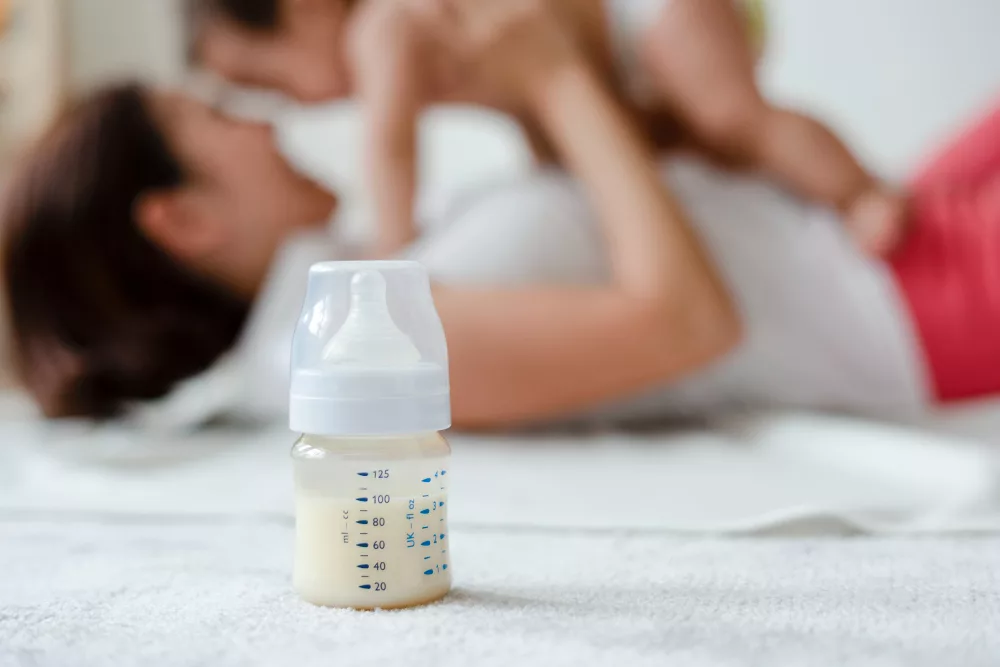
Baby formula with mother and infant in background
Image credit: rawpixel.com via freepik
January 26, 2026

In an update released on January 23, the U.S. Food and Drug Administration (FDA) shared information about a contaminated ingredient in the multistate outbreak of infant botulism associated with ByHeart powdered infant formula. FDA is collaborating on the outbreak with the Centers for Disease Control and Prevention (CDC) and the California Department of Public Health's Infant Botulism Treatment and Prevention Program (IBTPP).

As of January 23, 2026, two samples collected by FDA have tested positive for Clostridium botulinum toxin Type A. One sample came from a closed canister of ByHeart powdered infant formula and matches a clinical isolate from an infant included in the outbreak, according to whole genome sequencing (WGS) analysis. 

The product samples also match two isolates found in samples of organic whole milk powder, an ingredient that ByHeart uses in the production of ByHeart Whole Nutrition powdered infant formula. The organic milk powder samples were collected and tested by ByHeart.

Other organic whole milk powder samples were collected by FDA at a processor for a supplier to ByHeart, and were analyzed by the New York Wadsworth Laboratory. WGS analysis showed that the Clostridium botulinum found in the sample of whole milk powder is a genetic match to the Clostridium botulinum detected in the finished product sample of ByHeart powdered infant formula. FDA did not release the name of the milk powder ingredient manufacturer [see update at end of article].

While the testing results help advance FDA's understanding of the outbreak, the investigation is ongoing to determine the source of contamination. FDA has established a webpage, FDA’s Actions to Respond to Clostridium botulinum Illnesses Associated with Consumption of Powdered Infant Formula, to capture ongoing efforts to ensure the safety of powdered infant formula, including general information about formula safety.

Outbreak History

As of December 2025, epidemiologic and laboratory analyses have confirmed that ByHeart Whole Nutrition infant formula contaminated with Clostridium botulinum is responsible for at least 51 instances of infant botulism across 19 states, with onset of illnesses going back as far as 2023. No new illness cases have been announced since December 10, 2025, and no deaths have been associated with this outbreak, although all 51 infants were hospitalized.

Previously, on December 23, 2025, ByHeart publicly reported positive test results for Clostridium botulinum in six of 36 samples of finished product. The six samples were taken from two batches (Batch 251261P2 and Batch 251131P2), which were both included in the initial product recall.

Looking for quick answers on food safety topics?
Try Ask FSM, our new smart AI search tool.
Ask FSM →

Since the outbreak came to light, ByHeart has come under increasing scrutiny for a history of food safety failures. FDA inspections found mold, dead insects, and leaking roof issues at its Reading, Pennsylvania facility (now closed), as well as rodent activity, rusty surfaces, and Cronobacter sakazakii-positive environmental swabs at the company’s Fullerton, Iowa plant.

FDA’s investigation of the outbreak is ongoing, and its outbreak investigation advisory will be updated as more information becomes available.  


Update, January 28: The Associated Press said that Organic West Milk Inc. of California is the supplier of organic whole milk powder to ByHeart, and the ingredient is processed at a Dairy Farmers of America cooperative facility in Fallon, Nevada. Dairy Farmers of America confirmed that Organic West Milk was the source of the milk powder for FDA's positive samples. Organic West Milk supplies milk from 55 farms, and said it has not sold organic whole milk powder to any other infant formula maker besides ByHeart. Organic West Milk has paused sales of its organic milk powder intended for use in food for infants and children until more is known about the source of the contamination. FDA's investigation into the source of the outbreak is ongoing.


KEYWORDS: botulism Clostridium botulinum foodborne illness infant formula outbreak investigations

Share This Story

Ablumeauthor

Adrienne Blume, M.A. is Editorial Director of Food Safety Magazine, a BNP Media brand. She has more than 20 years of experience in B2B technical media, including the food safety/quality and energy technology sectors. She manages the editorial content for Food Safety Magazine and its podcast, Food Safety Matters, and also serves on the Educational Advisory Board for the annual Food Safety Summit. She keeps a pulse on trends, issues, and regulatory developments in food safety by attending and moderating sessions at food industry and food safety conferences worldwide. Ms. Blume holds an M.A. degree in English and Publishing from Rosemont College and B.A. degrees in English and Anthropology from Webster University. She can be contacted at BlumeA@bnpmedia.com.

Recommended Content

JOIN TODAY
to unlock your recommendations.

Already have an account? Sign In

  • people holding baby chicks

    Serovar Differences Matter: Utility of Deep Serotyping in Broiler Production and Processing

    This article discusses the significance of Salmonella in...
    Contamination Control
    By: Nikki Shariat Ph.D.
  • woman washing hands

    Building a Culture of Hygiene in the Food Processing Plant

    Everyone entering a food processing facility needs to...
    Food Prep/Handling
    By: Richard F. Stier, M.S.
  • graphical representation of earth over dirt

    Climate Change and Emerging Risks to Food Safety: Building Climate Resilience

    This article examines the multifaceted threats to food...
    International
    By: Maria Cristina Tirado Ph.D., D.V.M. and Shamini Albert Raj M.A.
Manage My Account
  • eMagazine Subscription
  • Subscribe to Newsletters
  • Manage My Preferences
  • Website Registration
  • Subscription Customer Service

More Videos

Sponsored Content

Sponsored Content is a special paid section where industry companies provide high quality, objective, non-commercial content around topics of interest to the Food Safety Magazine audience. All Sponsored Content is supplied by the advertising company and any opinions expressed in this article are those of the author and not necessarily reflect the views of Food Safety Magazine or its parent company, BNP Media. Interested in participating in our Sponsored Content section? Contact your local rep!

close
  • NEVIFIT 3 Compartment BPA-FREE
    Sponsored byCorbion

    The Risks of Ready-to-Eat: Five Ways to Protect Today's Prepared Meals

  • a group of workers in a food production facility
    Sponsored bySkillUp by Registrar Corp

    How to Build a Better Training Program: Data and Insights from the Global Food Safety Training Survey

  • the use of dual-energy X-ray food inspection technology to identify foreign contaminants.
    Sponsored byEagle by METTLER TOLEDO

    Precision Inspection Starts with the Right X-ray Detector

Popular Stories

green powder/moringa in wooden mortar

FDA Opens Third Salmonella–Moringa Outbreak Investigation of the Year

FoodSafetyMattersFinal-900x550-(002).jpg

Ep. 218. Dr. Brady Carter: Water Activity, Shelf-Life Validation, and Food Safety Controls

lab scientist investigating a strawberry

FDA Modernizes Oversight of Pesticides in Food

a practical guide to spoilage investigation webinar

Events

June 3, 2026

How to Build a Better Food Safety Training Program

Live: June 3, 2026 at 2:00 pm EDT: Join this webinar to learn how AI is impacting food safety training, and how you can leverage AI in your programs.

June 4, 2026

Building a Stronger Food Safety Program in a Changing GFSI Landscape

Live: June 4, 2026 at 11:00 am EDT: Attend this webinar to understand how GFSI requirements are evolving and what those changes signal for quality programs at food and beverage facilities.

June 10, 2026

A Practical Guide to Spoilage Investigation and Prevention

Live: June 10, 2026 at 11:00 am EDT: Join this webinar to learn how to identify spoilage root causes, reduce risk, and apply data-driven strategies for prevention.

View All

Products

Global Food Safety Microbial Interventions and Molecular Advancements

Global Food Safety Microbial Interventions and Molecular Advancements

See More Products

Related Articles

  • ByHeart formula

    ByHeart Finds Widespread Contamination in Infant Formula as Botulism Outbreak Grows; FDA Publishes Inspection Reports

    See More
  • baby bottle

    Congresswoman Presses FDA to Release ByHeart Inspection Records Amid Infant Botulism Outbreak

    See More
  • ByHeart formula

    A History of Food Safety Failures at ByHeart, the Formula Company Behind Infant Botulism Outbreak

    See More

Related Products

See More Products
  • 1119237963.jpg

    Food Safety in China: Science, Technology, Management and Regulation

  • 9781138070912.jpg

    Trends in Food Safety and Protection

  • 1118396308.jpg

    High Throughput Analysis for Food Safety

See More Products

Events

View AllSubmit An Event
  • March 31, 2026

    Regulatory Risk, Ingredient Safety, and GRAS: What Companies Need to Act on Now

    On Demand: From this webinar, attendees will recognize patterns in food policy affecting dietary guidelines, UPFs, state legislative actions, and expected GRAS reform.
View AllSubmit An Event
×

Never miss the latest news and trends driving the food safety industry

Newsletters | Website | eMagazine

JOIN TODAY!
  • RESOURCES
    • Advertise
    • Contact Us
    • Directories
    • Store
    • Want More
  • SIGN UP TODAY
    • Create Account
    • eMagazine
    • Newsletters
    • Customer Service
    • Manage Preferences
  • SERVICES
    • Marketing Services
    • Reprints
    • Market Research
    • List Rental
    • Survey/Respondent Access
  • STAY CONNECTED
    • LinkedIn
    • Facebook
    • Instagram
    • X (Twitter)
  • PRIVACY
    • PRIVACY POLICY
    • TERMS & CONDITIONS
    • DO NOT SELL MY PERSONAL INFORMATION
    • PRIVACY REQUEST
    • ACCESSIBILITY

Copyright ©2026. All Rights Reserved BNP Media, Inc. and BNP Media II, LLC.

Design, CMS, Hosting & Web Development :: ePublishing