Food Safety
search
Ask Food Safety AI
cart
facebook twitter linkedin instagram youtube
  • Sign In
  • Create Account
  • Sign Out
  • My Account
Food Safety
  • NEWS
    • Latest News
    • White Papers
  • PRODUCTS
  • TOPICS
    • Contamination Control
    • Food Types
    • Management
    • Process Control
    • Regulatory
    • Sanitation
    • Supply Chain
    • Testing and Analysis
  • PODCAST
  • EXCLUSIVES
    • Food Safety Five Newsreel
    • eBooks
    • FSM Distinguished Service Award
    • Interactive Product Spotlights
    • Videos
  • BUYER'S GUIDE
  • MORE
    • NEWSLETTERS >
      • Archive Issues
      • Subscribe to eNews
    • Store
    • Sponsor Insights
    • ASK FSM AI
  • WEBINARS
  • FOOD SAFETY SUMMIT
  • EMAG
    • eMagazine
    • Archive Issues
    • Editorial Advisory Board
    • Contact
    • Advertise
  • SIGN UP!
NewsContamination ControlFood TypeRegulatoryMicrobiological ControlReady-to-eatFDA

FDA to Begin Testing Infant Formula Products, Ingredients for C. botulinum
By Bailee Henderson
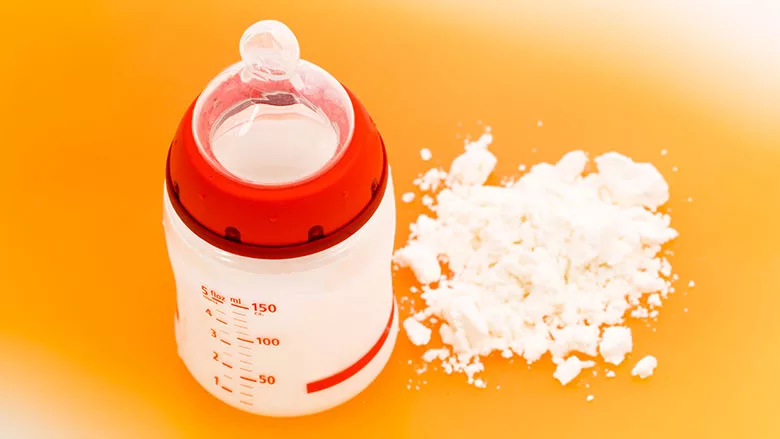
infant formula and bottle
Image credit: RapidEye/E+ via Getty Images
February 5, 2026

In an interview with Bloomberg, U.S. Food and Drug Administration (FDA) Deputy Commissioner for Human Foods Kyle Diamantas, J.D. revealed the agency’s intent to begin testing infant formula, as well as ingredients like milk powder and whey protein concentrate, for Clostridium botulinum.

C. botulinum is a foodborne pathogen that produces botulinum toxin, the cause of botulism.

Mr. Diamantas said the testing will inform whether C. botulinum contamination is a “foreseeable hazard that companies could test for.”

Announcement Follows ByHeart Botulism Outbreak

FDA’s announcement follows a national infant botulism outbreak linked to ByHeart infant formula products, which has been linked to 51 cases in 19 states. All infants were hospitalized. No new illnesses have been announced since December.

FDA testing has found C. botulinum toxin Type A in two samples of ByHeart powdered infant formula. Whole genome sequencing (WGS) showed the C. botulinum in the formula products to match isolates from samples of an organic whole milk powder used as an ingredient in ByHeart formula.

The cases linked to ByHeart are also part of a broader national spike of infant botulism cases, including more than 100 reports since late 2024.

FDA is not the only organization prompted to act by the ByHeart outbreak. In December, the Codex Committee on Food Hygiene (CCFH) also decided to initiate work related to the control of Clostridium botulinum in powdered infant formula. The Food and Agriculture Organization of the United Nations (FAO) and the World Health Organization (WHO) have issued a call for experts and data on microbiological risk assessment for powdered formula for infants and young children, with the ultimate goal of updating Codex Alimentarius standards.

Looking for quick answers on food safety topics?
Try Ask FSM, our new smart AI search tool.
Ask FSM →


KEYWORDS: botulism Clostridium botulinum infant formula

Share This Story

Baileehendersonmay23

Bailee Henderson is the Digital Editor of Food Safety Magazine, where she covers industry-relevant current events, regulatory affairs, and scientific developments. She also produces the Food Safety Five Newsreel. Notably, Bailee's coverage for Food Safety Magazine has been featured in national televised news segments including CBS Sunday Morning and MSNBC's Rachel Maddow Show. She can be reached at hendersonb@bnpmedia.com.

Recommended Content

JOIN TODAY
to unlock your recommendations.

Already have an account? Sign In

  • people holding baby chicks

    Serovar Differences Matter: Utility of Deep Serotyping in Broiler Production and Processing

    This article discusses the significance of Salmonella in...
    Food Type
    By: Nikki Shariat Ph.D.
  • woman washing hands

    Building a Culture of Hygiene in the Food Processing Plant

    Everyone entering a food processing facility needs to...
    Food Prep/Handling
    By: Richard F. Stier, M.S.
  • graphical representation of earth over dirt

    Climate Change and Emerging Risks to Food Safety: Building Climate Resilience

    This article examines the multifaceted threats to food...
    Contamination Control
    By: Maria Cristina Tirado Ph.D., D.V.M. and Shamini Albert Raj M.A.
Manage My Account
  • eMagazine Subscription
  • Subscribe to Newsletters
  • Manage My Preferences
  • Website Registration
  • Subscription Customer Service

More Videos

Sponsored Content

Sponsored Content is a special paid section where industry companies provide high quality, objective, non-commercial content around topics of interest to the Food Safety Magazine audience. All Sponsored Content is supplied by the advertising company and any opinions expressed in this article are those of the author and not necessarily reflect the views of Food Safety Magazine or its parent company, BNP Media. Interested in participating in our Sponsored Content section? Contact your local rep!

close
  • NEVIFIT 3 Compartment BPA-FREE
    Sponsored byCorbion

    The Risks of Ready-to-Eat: Five Ways to Protect Today's Prepared Meals

  • a group of workers in a food production facility
    Sponsored bySkillUp by Registrar Corp

    How to Build a Better Training Program: Data and Insights from the Global Food Safety Training Survey

  • the use of dual-energy X-ray food inspection technology to identify foreign contaminants.
    Sponsored byEagle by METTLER TOLEDO

    Precision Inspection Starts with the Right X-ray Detector

Popular Stories

FSM podcast

Ep. 219: World Food Safety Day 2026

logistics managers in warehouse talking looking at tablet

FDA Traceability Rule Readiness Exercises Reveal Supply Chain Coordination Matters More than Technology

diverse group of people wearing protective clothing in food production plant

EU Member States Report Challenges in Implementing Food Safety Culture Official Controls

Events

June 16, 2026

Sustainable Food Contact Materials: Where Regulation Meets Analytical Testing

Live: June 16, 2026 at 11:00 am EDT: This webinar explores how sustainability regulations are changing food contact material requirements, including packaging compliance, unintended substances, and per- and polyfluoroalkyl substances.

June 17, 2026

Living HACCP: Practical Steps for Implementation

Live: June 17, 2026, at 12:00 pm EDT: From this webinar, attendees will understand how social norms shape the way hazards are understood, how decisions are made, and how well risks are understood and acted on across companies.

June 25, 2026

Rethinking Food Safety: Eliminating Biofilm and Building a Smarter Food Safety System

Live: June 25, 2026 at 2:00 pm EDT: Join this webinar to explore a modern approach to decontamination that goes beyond surface-level cleaning to combat biofilm and persistent pathogens.

View All

Products

Global Food Safety Microbial Interventions and Molecular Advancements

Global Food Safety Microbial Interventions and Molecular Advancements

See More Products

Related Articles

  • USDA to Begin Testing for African Swine Fever

    See More
  • full baby bottle on a pink blanket

    FDA Issues Guidance on Protein Quality Testing for Infant Formula

    See More
  • baby drinking from a bottle

    FDA Testing Shows U.S. Infant Formula is Safe, with Undetectable or Very Low Chemical Contamination

    See More

Related Products

See More Products
  • 1118396308.jpg

    High Throughput Analysis for Food Safety

  • 1119053595.jpg

    Food Safety for the 21st Century: Managing HACCP and Food Safety throughout the Global Supply Chain, 2E

  • 1119160553.jpg

    Food Safety: Innovative Analytical Tools for Safety Assessment

See More Products

Events

View AllSubmit An Event
  • June 26, 2025

    How to Design and Conduct Challenge Studies for Safer Products and Longer Shelf Life

    On Demand: During this webinar, attendees will learn how to conduct challenge studies for microbial spoilage and pathogen growth, including the common challenges encountered, laboratory selection, and use of predictive models.
View AllSubmit An Event

Related Directories

  • A&B Ingredients

    A&B Ingredients is a manufacturer and distributor of unique specialty ingredients to the food industry. We specialize in natural, clean-label, plant-based ingredients for food safety and shelf life extension in food and beverage products. Our CytoGUARD portfolio includes antimicrobials, yeast and mold inhibitors, natural preservatives, and antioxidants. We also provide turn-key solutions for sodium reduction with natural lower sodium sea salts.
  • Wenda Ingredients

    Natural curing, yield and texture improvement, shelf-life extension, color retention, and pathogen control. Wenda Ingredients' portfolio of clean-label ingredients provides brands and processors with the most advanced solutions.
×

Never miss the latest news and trends driving the food safety industry

Newsletters | Website | eMagazine

JOIN TODAY!
  • RESOURCES
    • Advertise
    • Contact Us
    • Directories
    • Store
    • Want More
  • SIGN UP TODAY
    • Create Account
    • eMagazine
    • Newsletters
    • Customer Service
    • Manage Preferences
  • SERVICES
    • Marketing Services
    • Reprints
    • Market Research
    • List Rental
    • Survey/Respondent Access
  • STAY CONNECTED
    • LinkedIn
    • Facebook
    • Instagram
    • X (Twitter)
  • PRIVACY
    • PRIVACY POLICY
    • TERMS & CONDITIONS
    • DO NOT SELL MY PERSONAL INFORMATION
    • PRIVACY REQUEST
    • ACCESSIBILITY

Copyright ©2026. All Rights Reserved BNP Media, Inc. and BNP Media II, LLC.

Design, CMS, Hosting & Web Development :: ePublishing