The LEAK-MASTER ONE is an inline system designed to detect micro-leaks of carbon dioxide (CO₂) in modified atmosphere packaging (MAP) at production-line speeds, combining high-sensitivity leak detection with individual package testing and traceability.
The microbiological quality of most ready-to-eat (RTE) plant-based meat, dairy, and fish substitutes was satisfactory, but elevated levels of pathogens and indicators in some commodities raised process and hygiene concerns. An analysis of the products’ physico-chemical properties suggested they could support microbial growth.
The researchers determined that probabilistic modeling could help food businesses capitalize on existing scientific data to map processing and formulation conditions for controlling non-proteolytic C. botulinum in refrigerated, processed foods of extended durability.
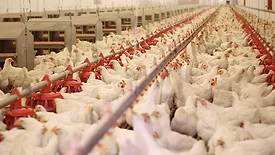
Oxford University researchers found that the expansion of dense, industrial chicken farming created conditions that enabled Campylobacter strains to spread, mix, and acquire traits that could improve their survival in poultry production environments.
The Icon X-ray and Checkweigher Combination System features algorithmic foreign material detection, real-time product flow monitoring, IA+ filtering technology, configurable reject systems, a passive X-ray cooling generator, and data management and system oversight capabilities.
The resource provides recommendations and examples for implementing FSMA Preventive Controls for Human Foods Rule requirements to control known or reasonably foreseeable biological hazards in fresh-cut produce.
The report examines spore-forming, botulinum toxin-producing clostridia that pose persistent challenges for food production, including C. botulinum, C. perfringens, and C. difficile. It reviews disease burden, outbreak risks, prevention strategies, detection methods, and significant epidemiological data gaps.
In this episode of Food Safety Matters, we speak to Brittney Miller, President of Manchester Farms, about how America's first quail farm applies HACCP, SQF certification, and a strong food safety culture to specialty poultry production, while exploring the unique challenges, opportunities, and future of food safety in the sector.
A new study found high levels of multidrug resistance and biofilm formation among Enterococcus spp. isolated from retail meat, market workers, and consumers. Genetic similarities among E. faecalis and E. faecium isolates from different sources suggested potential cross-transmission at the food–human
interface, although the researchers emphasized that direct transmission was not established.
SLIPNOT's Amstep Products portfolio has acquired the metal stair tread nosings line from Nystrom®. The metal stair tread nosings will strengthen Amstep's comprehensive portfolio of engineered slip-resistant solutions across industries throughout North America.






.webp?height=168&t=1691503719&width=275 "FoodSafetyMattersFinal-900x550-(002).jpg")