In an analysis of a Listeria monocytogenes outbreak in which one person died, UKHSA highlighted investigation details, risk assessment and control measures, and the potential risks associated with home-delivered cook-chill meals.
Outbreak strains include STEC serotypes O26:H11, O103:H25, and O168:H8 and one strain of Salmonella Agona. Some people were infected with more than one outbreak strain. The implicated products were distributed by Everything Sprouts LLC of Minneapolis, Minnesota.
The organized illegal sale of foods imported from China was discovered, including animal-based foods represented as plant-based, foods with undeclared allergens, the presence of African swine fever virus, and prohibited species. Researchers examined how prohibited foods may circumvent EU border controls.
Brianna Robinson-Verloop, M.S. will assume her role at the National Association of State Departments of Agriculture in September. Having previously served at USDA, her experience in federal food safety, trade, and regulation informs her approach to developing agricultural policy solutions.
The research and development center is designed to provide shared infrastructure for developing and testing emerging food technologies, biomaterials, and other products. It will offer industry, academics, and nonprofits with access to prototyping, characterization, culinary testing, and early-stage consumer testing resources.
A new web portal allows small and very small establishments regulated by USDA-FSIS to submit appeals outsideof the Public Health Information System, supporting efforts to improve service and reduce regulatory burden for small meat and poultry processors.
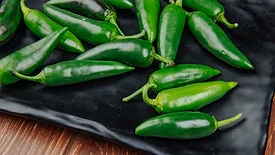
There have been 57 hospitalizations. The peppers were grown in Sinaloa, Mexico, and distributed by Coast Citrus Distributors to companies across the U.S., including Chipotle, which used its traceability system to help FDA identify the outbreak source.
The August 26 event will address high-value AI use cases, lessons learned from implementation efforts, and organizational, technical, and workforce considerations that can influence successful adoption.
The Nulogy Operating System
module enables food companies to capture, link, and retrieve lot-level traceability records required under FDA's Food Traceability Rule and produce records in response to an FDA request within the required 24-hour timeframe.
A vehicle of illness has not yet been definitively confirmed, but according to UKHSA, epidemiological evidence points to egg consumption as the strongest food signal identified to date.