Latest FDA Total Diet Study Testing Finds PFAS in 7 Percent of Samples
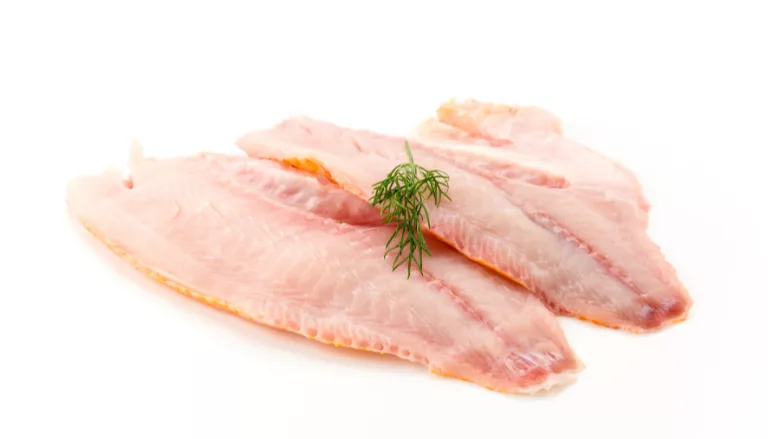
The U.S. Food and Drug Administration (FDA) has shared results of sampling and testing for per- and polyfluoroalkyl substances (PFAS) in foodstuffs collected in 2024 under the Total Diet Study (TDS). One or more PFAS were detected in 39 (7.2 percent) of 542 samples.
Foods that contained trace amounts of PFAS included cod, shrimp, clams, salmon, tilapia, catfish, pepperoni, beef steak, ground beef, chicken breast, half and half, whole milk, skim milk, and kale. Trace amounts of PFAS refer to levels that fall below the limits of quantification (LOQ) but above method detection limits (MDL) in FDA’s PFAS testing method.
Additionally, non-trace amounts of PFAS (at levels above the LOQ) were detected in shrimp, clams, catfish, and tilapia.
Since 2019, FDA has tested 1,352 food samples for PFAS under the TDS, 95 percent (1,290) of which had no detectable levels of PFAS. The agency tests for as many as 30 types of PFAS.
PFAS are known as “forever chemicals” due to their inability to break down over time, causing their accumulation and persistence in soil, water, food, animals, and humans. These chemicals, which have been introduced to the environment through their use by industry and in consumer products like food packaging, are known for their harm to human health, such as increased risk of cancers, liver and heart damage, immune and developmental damage in infants and children, and other effects. Dietary exposure to PFAS through contaminated food and water is a public health concern.
The Environmental Working Group (EWG) said the new data justifies the need to set enforceable limits for PFAS in food. “Although the agency emphasized that most samples tested showed no detectable PFAS, even low-level contamination poses serious health risks, particularly because PFAS accumulates in the body over time,” said EWG.
In April 2025, the group submitted comments to FDA urging the agency to set enforceable limits for PFAS in food.
Looking for quick answers on food safety topics?
Try Ask FSM, our new smart AI search tool.
Ask FSM →