FAO Responds to Cyclospora Outbreak With Agrifood Water Safety Resource
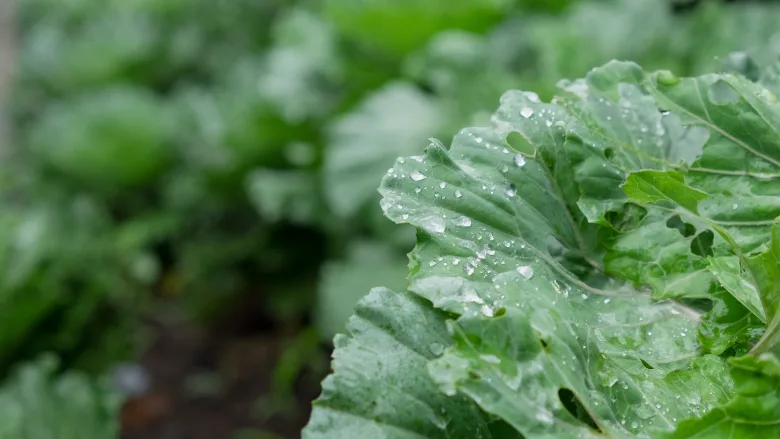
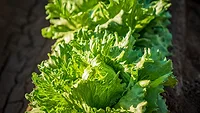
The Food and Agriculture Organization of the United Nations (FAO) highlighted the importance of pre-harvest water safety, sanitation, and hygiene to prevent microbial contamination of food in a new fact sheet resource, following the historically large cyclosporiasis outbreak linked to lettuce that swept the U.S. this summer.
The fact sheet explains the challenges Cyclospora cayetenensis poses to fresh produce safety, pre-harvest microbial contamination pathways, and the importance of safe water use during growing to prevent foodborne illness outbreaks caused by Cyclospora or any other bacteria, viruses, and parasites.
The resource also includes a list of actions to strengthen prevention across agrifood systems for competent authorities and governments; for agricultural extension services, farm organizations, and producers; for researchers and laboratories; and across sectors. Practical priorities include, among others: protecting water sources, managing water quality according to its intended use, strengthening sanitation and hygiene, and improving detection, traceability, and outbreak investigation.
“Strengthening detection and outbreak investigation is of course essential to understanding and addressing food safety risks. Prevention, however, remains key to protecting public health,” said Markus Lipp, Ph.D., FAO Senior Food Safety Officer. “Ensuring the safety of water used in agriculture is an important part of preventing contamination before it reaches our food. Collaboration across food safety, agriculture, water, and sanitation sectors can help translate this priority into practical action,” he remarked.
Access the fact sheet here.
Looking for quick answers on food safety topics?
Try Ask FSM, our new smart AI search tool.
Ask FSM →