Food Safety
search
Ask Food Safety AI
cart
facebook twitter linkedin instagram youtube
  • Sign In
  • Create Account
  • Sign Out
  • My Account
Food Safety
  • NEWS
    • Latest News
    • Sponsored Insights
    • Sponsored White Papers
  • PRODUCTS
  • TOPICS
    • Contamination Control
    • Food Types
    • Management
    • Process Control
    • Regulatory
    • Sanitation
    • Supply Chain
    • Testing and Analysis
  • PODCAST
  • EXCLUSIVES
    • Food Safety Five Newsreel
    • eBooks
    • FSM Distinguished Service Award
    • Interactive Product Spotlights
    • Videos
  • MORE
    • BUYER'S GUIDE
    • NEWSLETTERS >
      • Archive Issues
      • Subscribe to eNews
    • Store
    • ASK FSM AI
  • WEBINARS
  • FOOD SAFETY SUMMIT
  • FSM FEATURES
    • FSM Features Collection
    • eMag Archives
    • Editorial Advisory Board
    • Contact
    • Advertise
  • SIGN UP!
NewsContamination ControlFood TypeRegulatoryMicrobiological ControlProduceFDA

FDA Closes Taylor Farms Lettuce Investigation, Announces Action Plan to Prevent Future Cyclospora Outbreaks
By Food Safety Magazine Editorial Team
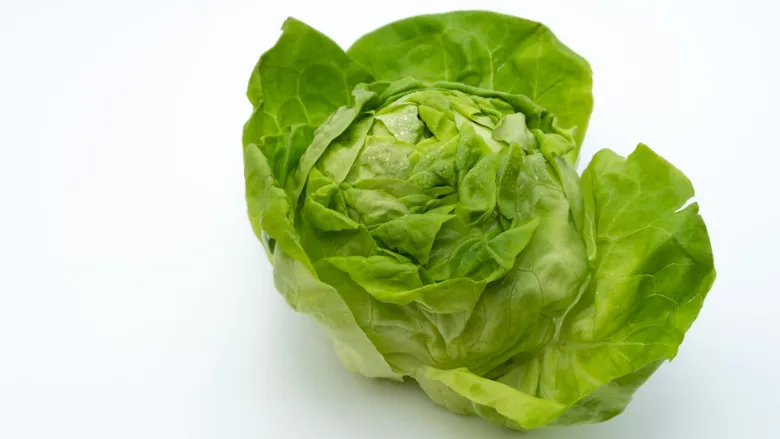
iceberg lettuce
Image credit: Gabriel Mihalcea via Unsplash
October 2, 2026

The U.S. Food and Drug Administration (FDA) has finished its investigation of the historically large cyclosporiasis outbreak that swept the country this summer, which was linked to iceberg lettuce grown by Taylor Farms of Mexico.

The U.S. Centers for Disease Control and Prevention (CDC) declared the outbreak over on September 11 with 12,883 cases across 21 states, including 570 hospitalizations and two deaths.

Positive Environmental Samples Found at Taylor Farms of Mexico

After the outbreak ended, FDA continued to conduct environmental sampling at several farms in Mexico and a Taylor Farms of Mexico processing facility. Traceback evidence indicated these locations provided the implicated lettuce distributed by Taylor Fresh Foods. Sampling included water, soil, sediment, and lettuce.

The agency found two positive samples: one from a tank that held outgoing wastewater from the Taylor Farms of Mexico processing facility, and another collected from a drainage ditch of an iceberg lettuce grower identified in FDA’s traceback. Genotyping for these positive samples has been completed, and FDA is continuing its analysis to determine how the environmental isolates may relate to isolates from outbreak patients.

Root Cause of Contamination Remains Unsolved

FDA was unable to gather enough evidence to conclusively determine the root cause of contamination at the locations that grew and processed the implicated lettuce. However, the agency said that the positive environmental samples add to the strong epidemiological data and traceback convergence supporting the link between the cyclosporiasis outbreak and recalled shredded iceberg lettuce from Taylor Farms of Mexico.

FDA Announces Ten Actions to Prevent Future Cyclospora Outbreaks

Following the historically large outbreak, as well as several other, smaller cyclosporiasis outbreaks that happened this summer, FDA has announced ten planned activities to prevent future cyclosporiasis outbreaks.

  • Publishing an Outbreak Investigation Report, which will summarize the outbreak investigation, review the potential factors contributing to the contamination of imported, shredded iceberg lettuce by Cyclospora, and provide recommendations to help prevent future outbreaks
  • Increasing surveillance of commodities historically associated with Cyclospora and their production to better inform the understanding of contamination levels and effective sampling strategies
  • Conducting more outreach and public engagement domestically and abroad to raise awareness of current and prospective food safety requirements, such as the Produce Safety Rule, the Preventive Controls for Human Food Rule, and the Food Traceability Rule, and helping to ensure that growers adopt effective practices that reduce the risk of Cyclospora in produce for American consumers
  • Enhancing laboratory capacity in Mexico to collect, analyze, and process samples for Cyclospora investigations in-country, reducing the time needed to get final laboratory analyses
  • Leveraging new and alternative data sources and tools to monitor environmental factors that may lead to Cyclospora proliferation, such as weather events, to determine whether such factors are an indicator of potential issues and potentially inform future prevention strategies
  • Collaborating with Mexican agencies including the Ministry of Agriculture, the Federal Commission for the Protection Against Sanitary Risks (COFEPRIS), and the National Service of Public Health, Safety and Quality of Agri-Food (SENASICA) to expand food safety education and training opportunities related to Cyclospora prevention practices for Mexico’s fresh produce industry
  • Convening expert panels on worker health and hygiene, water and wastewater monitoring, and gaps that need to be addressed to improve growing and processing practices for certain fresh produce, with the intent of directly targeting the conditions most likely to introduce Cyclospora into the fresh produce supply
  • Working with CDC to enhance and align genotyping methods for Cyclospora, with the goal of creating a single, replicable standard within the federal government, with partner nations, across industry to make it faster and easier to trace outbreaks back to their source
  • Increasing and further leveraging Foreign Supplier Verification Program (FSVP) inspections to help ensure that importers are considering Cyclospora contamination as a part of their hazard analysis and supplier verification to ensure imported fresh produce meets U.S. safety standards
  • Taking lessons learned from the investigation and any root cause analysis of this specific outbreak to update the Cyclospora Prevention, Response and Research Action Plan with longer-term prevention, response, research, and programmatic activities, laying the groundwork for stronger prevention and response in future growing seasons.

FDA will undertake these activities now, ahead of the 2027 growing season.


Looking for quick answers on food safety topics?
Try Ask FSM, our new smart AI search tool.
Ask FSM →


KEYWORDS: cyclospora foodborne illness lettuce outbreak investigations Taylor Fresh Foods

Share This Story

Fsm purple logo 200x200

The Food Safety Magazine editorial team comprises Bailee Henderson, Director of Content Strategy and news editor ✉, and Adrienne Blume, M.A., Director of Editorial and Industry Engagement.

Recommended Content

JOIN TODAY
to unlock your recommendations.

Already have an account? Sign In

  • people holding baby chicks

    Serovar Differences Matter: Utility of Deep Serotyping in Broiler Production and Processing

    This article discusses the significance of Salmonella in...
    Microbiological Control
    By: Nikki Shariat Ph.D.
  • woman washing hands

    Building a Culture of Hygiene in the Food Processing Plant

    Everyone entering a food processing facility needs to...
    Personal Hygiene/Handwashing
    By: Richard F. Stier, M.S.
  • graphical representation of earth over dirt

    Climate Change and Emerging Risks to Food Safety: Building Climate Resilience

    This article examines the multifaceted threats to food...
    Management
    By: Maria Cristina Tirado Ph.D., D.V.M. and Shamini Albert Raj M.A.
Manage My Account
  • eMagazine Subscription
  • Subscribe to Newsletters
  • Manage My Preferences
  • Website Registration
  • Subscription Customer Service

More Videos

Sponsored Content

Sponsored Content is a special paid section where industry companies provide high quality, objective, non-commercial content around topics of interest to the Food Safety Magazine audience. All Sponsored Content is supplied by the advertising company and any opinions expressed in this article are those of the author and not necessarily reflect the views of Food Safety Magazine or its parent company, BNP Media. Interested in participating in our Sponsored Content section? Contact your local rep!

close
  • Top view portrait of two factory workers standing by conveyor belt during quality inspection at food production, copy space
    Sponsored byFlexXray

    Foreign Material By the Numbers: What the 2026 Benchmark Report Reveals

  • a conveyorized industrial metal detector system that appears to resemble a Loma Systems IQ4 Metal Detector setup with an integrated conveyor belt and control panel for food or package inspection.
    Sponsored byMettler Toledo

    Beyond Detection: How to Avoid Physical Contamination in Food Through a Smarter Inspection Strategy

  • The image displays a bottling plant production line, commonly used in the beverage industry for filling and packaging soft drinks.
    Sponsored byBIOIONIX

    Sustainability with ROI: A Beverage Producer Case Study in Water Savings

Popular Stories

Dr. Heidi Overton speaking at Senate hearing

In Senate Hearing, FDA Commissioner Nominee Says Lack of Resources Will Challenge GRAS Reform

rangpur lime

Pathogens Found on Brazilian Citrus Fruit Present Emerging Food Safety Concerns

tractor spraying pesticides

EPA Announces Glyphosate Safety Review Efforts, Decision Expected by Early 2027; Experts Question Scientific Rigor

allergens ebook

Events

October 6, 2026

Advances in Environmental Monitoring Science and Strategy

Live: October 6, 2026 at 2:00 pm EDT: This webinar will cover how environmental monitoring science and EMP strategies support sanitation verification and the safe production of food.

October 15, 2026

How to Prevent Physical Contamination in Food Production and Strengthen Compliance

Live: October 15, 2026 at 2:00 pm EDT: Attend this webinar to gain insight into how product inspection helps protect your brand, reduce recall risk, and support compliance.

October 29, 2026

FDA Proposes Major GRAS Reform: What It Could Mean for Your Business

Live: October 29, 2026 at 2:00 pm EDT: Attend this webinar to examine potential implications for self-GRAS, Flavor and Extract Manufacturers Association (FEMA) GRAS, and food-contact substances.

View All

Products

Global Food Safety Microbial Interventions and Molecular Advancements

Global Food Safety Microbial Interventions and Molecular Advancements

See More Products

Related Articles

  • iceberg lettuce growing

    Cyclospora Outbreak Linked to Taylor Farms Lettuce Ends with Nearly 13,000 Illnesses, Two Deaths

    See More
  • shredded iceberg lettuce

    Taylor Farms Lettuce Named as Source of U.S. Cyclospora Outbreak

    See More
  • head of iceberg lettuce

    Taylor Farms Lettuce Cyclosporiasis Outbreak Expands to Nine States; CDC Reports Nearly 2,000 Cases, State Counts Exceed 10,000

    See More

Related Products

See More Products
  • 1118474600.jpg

    Practical Food Safety: Contemporary Issues and Future Directions

  • 1119258073.jpg

    FSMA and Food Safety Systems: Understanding and Implementing the Rules

  • food-safety-making.jpg

    Food Safety: Making Foods Safe and Free From Pathogens

See More Products

Events

View AllSubmit An Event
  • October 15, 2026

    How to Prevent Physical Contamination in Food Production and Strengthen Compliance

    Live: October 15, 2026 at 2:00 pm EDT: Attend this webinar to gain insight into how product inspection helps protect your brand, reduce recall risk, and support compliance.
  • June 10, 2026

    A Practical Guide to Spoilage Investigation and Prevention

    On Demand: Join this webinar to learn how to identify spoilage root causes, reduce risk, and apply data-driven strategies for prevention.
View AllSubmit An Event

Related Directories

  • Future Green Consulting Ltd.

    Future Green is a purpose-led consultancy and certified BCorp based in Hong Kong, serving clients globally. No matter their size or stage of growth, each client shares a common objective: to increase the output of high-value work at a faster pace. Future Green supports this by facilitating practical workshops that align teams around critical food sustainability change projects.
  • Active Food Safety

    Active Food Safety consists of an experienced team of food safety professionals who are thought-leaders in the food industry, and have each led enterprise level food safety management programs in several of the most well-known and respected brands in the food industry. We continuously help our clients ensure food safety based on proven business best practices designed specifically to the brand - to maximize risk reduction to prevent foodborne disease illnesses and outbreaks, to meet all government regulatory requirements, and to improve sales and brand reputation.
×

Never miss the latest news and trends driving the food safety industry

Newsletters | Website | FSM Features Collection

JOIN TODAY!
  • RESOURCES
    • Advertise
    • Contact Us
    • Directories
    • Store
    • Want More
  • SIGN UP TODAY
    • Create Account
    • eMagazine
    • Newsletters
    • Customer Service
    • Manage Preferences
  • SERVICES
    • Marketing Services
    • Reprints
    • Market Research
    • List Rental
    • Survey/Respondent Access
  • STAY CONNECTED
    • LinkedIn
    • Facebook
    • Instagram
    • X (Twitter)
  • PRIVACY
    • PRIVACY POLICY
    • TERMS & CONDITIONS
    • DO NOT SELL MY PERSONAL INFORMATION
    • PRIVACY REQUEST
    • ACCESSIBILITY

Copyright ©2026. All Rights Reserved BNP Media, Inc. and BNP Media II, LLC.

Design, CMS, Hosting & Web Development :: ePublishing