This episode covers the final findings from the U.S. Cyclospora outbreak, new USDA efforts to address Listeria, the new FDA Food Code, research on high-pressure processing for raw chicken, and emerging food safety concerns associated with plastic pollution.
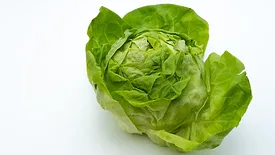
Taylor Farms outlined actions it is taking to enhance food safety following the historic cyclosporiasis outbreak linked to its lettuce. The same day, Consumer Reports sent a letter to FDA requesting answers about why its outbreak response was “hindered by notable delays and a lack of transparency.”
Following the historically large cyclosporiasis outbreak linked to lettuce that swept the U.S. this summer, FAO highlighted the importance of pre-harvest water safety, sanitation, and hygiene to prevent microbial contamination of food in a new fact sheet resource.
Positive environmental samples were found on a farm and at a Taylor Farms of Mexico processing facility, which supplied the implicated lettuce distributed by Taylor Fresh Foods. The root cause of contamination was not found, however. FDA also announced ten actions to prevent future cyclosporiasis outbreaks.
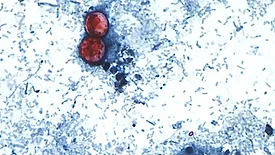
CDC has declared the unprecedented Cyclospora outbreak linked to Taylor Farms iceberg lettuce over. FDA continues its root cause investigation of the current outbreak as well as investigations into other U.S. cyclosporiasis outbreak clusters.
An interim report details how Michigan investigators gathered early epidemiologic evidence pointing to iceberg lettuce in the massive U.S. cyclosporiasis outbreak, and how patient interview data helped inform public health actions and FDA’s traceback in real time.
Congress cut two of three federal Cyclospora research projects as part of FY2026 appropriations, and the third will be disrupted by the Trump Administration’s planned USDA reorganization, according to sources who spoke to POLITICO.
The Taylor Farms iceberg lettuce recall has been given Class I status. The details of the recall and FDA’s public health advice remain unchanged. Experts explain why recall classifications “should not be a media-worthy event” and how such headlines can cause confusion among consumers.
There are an additional six cyclosporiasis outbreaks under investigation and thousands more Cyclospora cases reported by CDC and states. Two deaths have been reported. Stakeholders are urging an end to the Food Traceability Rule delay.
The appropriations bill for FY 2026 prohibits FDA from using federal funds to implement FSMA 204 before the delayed July 2028 compliance date. Earlier implementation of the Traceability Rule could have enabled faster, more effective response to the ongoing cyclosporiasis outbreak linked to Taylor Farms lettuce.