Food Safety
search
Ask Food Safety AI
cart
facebook twitter linkedin instagram youtube
  • Sign In
  • Create Account
  • Sign Out
  • My Account
Food Safety
  • NEWS
    • Latest News
    • Sponsored Insights
    • Sponsored White Papers
  • PRODUCTS
  • TOPICS
    • Contamination Control
    • Food Types
    • Management
    • Process Control
    • Regulatory
    • Sanitation
    • Supply Chain
    • Testing and Analysis
  • PODCAST
  • EXCLUSIVES
    • Food Safety Five Newsreel
    • eBooks
    • FSM Distinguished Service Award
    • Interactive Product Spotlights
    • Videos
  • BUYER'S GUIDE
  • MORE
    • NEWSLETTERS >
      • Archive Issues
      • Subscribe to eNews
    • Store
    • ASK FSM AI
  • WEBINARS
  • FOOD SAFETY SUMMIT
  • EMAG
    • eMagazine
    • Archive Issues
    • Editorial Advisory Board
    • Contact
    • Advertise
  • SIGN UP!
NewsContamination ControlRegulatoryChemical ControlInternational Standards/Harmonization

EU Expands Maximum Levels for Three Contaminants in Infant and Baby Foods

By Food Safety Magazine Editorial Team
baby being spoon-fed jarred baby food
Image credit: wayhomestudio via Freepik
September 3, 2026

The European Commission has passed two regulations that will set or tighten maximum levels (MLs) for three contaminants in foods intended for infants and young children.

Specifically, Regulation (EU) 2026/1825 expands MLs for 3-monochloropropanediol (3-MCPD) and glycidyl fatty acid esters, and Regulation (EU) 2026/1890 establishes new MLs for furan, 2-methylfuran, and 3-methylfuran. 

New and Tightened MLs for 3-MCPD and Glycidyl Fatty Acid Esters

Regulation (EU) 2026/1825 is applicable as of August 19, 2026, with certain provisions for infant formula and cereal-based foods for babies and toddlers coming into effect January 1, 2027. It expands the scope of existing MLs to include 3-monobromopropanediol (3-MBPD) fatty acid esters and 3-monoiodopropanediol (3-MIPD) fatty acid esters.1

The regulation sets the following MLs in baby foods and processed cereal-based food for infants and young children:

  • 50 micrograms per kilogram (μg/kg) 3-MCPD
  • 25 (μg/kg) glycidyl fatty acid esters.

In oils and fats (from vegetable, fish, and marine sources) intended for use in the production of baby foods and processed cereal-based food for infants and young children:

  • 500 μg/kg 3-MCPD, lowered from 750 μg/kg
  • 250 μg/kg glycidyl fatty acid esters, lowered from 500 μg/kg.

For composite foods containing greater than 5 percent fat and added vegetable/fish/marine oils and fats, Regulation (EU) 2026/1825 sets MLs of:

  • 1,250 μg/kg fat for the sum of 3-MCPD and its fatty acid esters (expressed as 3-MCPD) in coconut, corn, rapeseed, sunflower, soybean, palm kernel, olive oils, and mixtures of these oils
  • 2,500 μg/kg fat for the sum of 3-MCPD and its fatty acid esters in other vegetable/fish/marine oils and fats and mixtures
  • 1,000 μg/kg fat glycidyl fatty acid esters (expressed as glycidol).

New MLs for Furan and Methylfurans

Regulation (EU) 2026/1890 establishes the following MLs for furan and methyfurans (expressed as furan) in foods for babies and toddlers, applicable after January 1, 20281:

  • 40 μg/kg in processed cereal-based foods for infants and young children
  • 30 μg/kg in dairy- and fruit-based baby foods and mixed dairy/fruit baby foods
  • 80 μg/kg in other baby foods.

References:

  1. CIRS. “EU Tightens Maximum Levels for Three Contaminants—3-MCPD, Glycidyl Fatty Acid Esters and Furan—in Infant and Young Child Foods.” CIRS. August 28, 2026. https://www.cirs-group.com/en/food/eu-tightens-maximum-levels-for-three-contaminants-3-mcpd-glycidyl-fatty-acid-esters-and-furan-in-infant-and-young-child-foods.

Looking for quick answers on food safety topics?
Try Ask FSM, our new smart AI search tool.
Ask FSM →


KEYWORDS: baby food EU Europe infant formula maximum levels

Share This Story

Fsm purple logo 200x200

The Food Safety Magazine editorial team comprises Bailee Henderson, Director of Content Strategy and news editor ✉, and Adrienne Blume, M.A., Director of Editorial and Industry Engagement.

Recommended Content

JOIN TODAY
to unlock your recommendations.

Already have an account? Sign In

  • people holding baby chicks

    Serovar Differences Matter: Utility of Deep Serotyping in Broiler Production and Processing

    This article discusses the significance of Salmonella in...
    Methods
    By: Nikki Shariat Ph.D.
  • woman washing hands

    Building a Culture of Hygiene in the Food Processing Plant

    Everyone entering a food processing facility needs to...
    Personal Hygiene/Handwashing
    By: Richard F. Stier, M.S.
  • graphical representation of earth over dirt

    Climate Change and Emerging Risks to Food Safety: Building Climate Resilience

    This article examines the multifaceted threats to food...
    Risk Assessment
    By: Maria Cristina Tirado Ph.D., D.V.M. and Shamini Albert Raj M.A.
Manage My Account
  • eMagazine Subscription
  • Subscribe to Newsletters
  • Manage My Preferences
  • Website Registration
  • Subscription Customer Service

More Videos

Sponsored Content

Sponsored Content is a special paid section where industry companies provide high quality, objective, non-commercial content around topics of interest to the Food Safety Magazine audience. All Sponsored Content is supplied by the advertising company and any opinions expressed in this article are those of the author and not necessarily reflect the views of Food Safety Magazine or its parent company, BNP Media. Interested in participating in our Sponsored Content section? Contact your local rep!

close
  • Man In Warehouse
    Sponsored byRentokil

    Mitigating Hidden Rodent Risks in Food Facilities

  • an industrial manufacturing or processing facility
    Sponsored bybioMérieux

    Get Ahead of Spoilage in Food Manufacturing with Metagenomics for Preventive Monitoring

  • an automated industrial production line used in a modern food factory
    Sponsored byIFC

    A Formula for Food Processing Pest Management

Popular Stories

scoop of powdered infant formula in front of bottle against blue backdrop

Nara Organics Infant Formula Botulism Outbreak Ends; WGS, Supply Chain Evidence Show Link to ByHeart

chopped iceberg lettuce

FDA Explains Recall Classifications to Get Ahead of Cyclospora Outbreak Panic

Beltsville Agricultural Research Center grounds

News That USDA Cyclospora Research Was Defunded in 2026 Emerges as Nation’s Largest-Ever Cyclosporiasis Outbreak Continues

allergens ebook

Events

September 10, 2026

Stop Rodents in Their Tracks!

Live: September 10, 2026 at 2:00 pm EDT: Attend this webinar to understand rodent behavior and innovative strategies for rodent management.

September 22, 2026

From EFSA to Enforcement: Managing the Growing Complexity of EU MRLs

Live: September 22, 2026 at 11:00 am EDT: Attend this webinar to evaluate best practices for monitoring regulatory changes and protecting market access.

September 24, 2026

Benchmarking Foreign Material Contamination in 2026: What the Data Shows

Live: September 24, 2026 at 2:00 pm EDT:  From this webinar, attendees will learn what is driving investment decisions, and the factors FSQA and ops leaders weigh when making the case for new prevention technology.

View All

Products

Global Food Safety Microbial Interventions and Molecular Advancements

Global Food Safety Microbial Interventions and Molecular Advancements

See More Products

Related Articles

  • EU flags

    New EU Maximum Levels for Contaminants in Foods: Aflatoxins, Metals, and More

    See More
  • bowl of white rice

    EU’s New Maximum Levels for Inorganic Arsenic in Certain Foods

    See More
  • close-up shot of nickel metal

    New EU Maximum Levels for Nickel Now Apply to Dozens of Foods

    See More

Related Products

See More Products
  • food safety.jpg

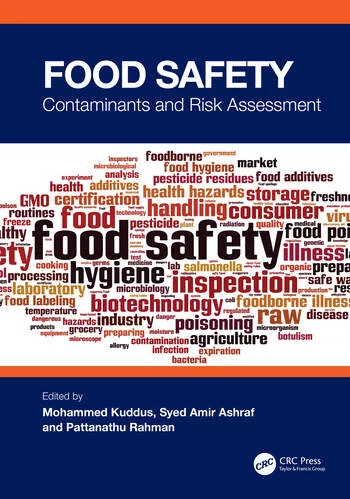
    Food Safety Contaminants and Risk Assessment

  • food-safety-making.jpg

    Food Safety: Making Foods Safe and Free From Pathogens

  • 9781138070912.jpg

    Trends in Food Safety and Protection

See More Products

Related Directories

  • Women In Food Safety

    Women in Food Safety is a US-based global nonprofit organization dedicated to empowering and advancing women in the food safety and quality industry. Women In Food Safety provides a platform for professionals at all stages of their careers to grow, share knowledge, and support one another. Through community events, educational initiatives, and leadership development, we are building a more inclusive and resilient future for food safety worldwide. Together, we can do BETTER!
  • Magnets for Sensors

    Magnets for Sensors provides high quality magnetic components, sensors, and related contamination control solutions for the food safety and processing industries. We specialize in metal detectable products and robust magnetic separation devices designed to ensure regulatory compliance and product purity in food manufacturing environments.
  • Food Radar Systems in Sweden AB

    Food Radar Systems, based in Sweden, develops microwave technology that detects and rejects low-density foreign bodies in pumpable food products, helping food manufacturers improve safety, protect consumers, and strengthen quality assurance in modern production environments.
×

Never miss the latest news and trends driving the food safety industry

Newsletters | Website | eMagazine

JOIN TODAY!
  • RESOURCES
    • Advertise
    • Contact Us
    • Directories
    • Store
    • Want More
  • SIGN UP TODAY
    • Create Account
    • eMagazine
    • Newsletters
    • Customer Service
    • Manage Preferences
  • SERVICES
    • Marketing Services
    • Reprints
    • Market Research
    • List Rental
    • Survey/Respondent Access
  • STAY CONNECTED
    • LinkedIn
    • Facebook
    • Instagram
    • X (Twitter)
  • PRIVACY
    • PRIVACY POLICY
    • TERMS & CONDITIONS
    • DO NOT SELL MY PERSONAL INFORMATION
    • PRIVACY REQUEST
    • ACCESSIBILITY

Copyright ©2026. All Rights Reserved BNP Media, Inc. and BNP Media II, LLC.

Design, CMS, Hosting & Web Development :: ePublishing