Food Safety
search
Ask Food Safety AI
cart
facebook twitter linkedin instagram youtube
  • Sign In
  • Create Account
  • Sign Out
  • My Account
Food Safety
  • NEWS
    • Latest News
    • Sponsored Insights
    • Sponsored White Papers
  • PRODUCTS
  • TOPICS
    • Contamination Control
    • Food Types
    • Management
    • Process Control
    • Regulatory
    • Sanitation
    • Supply Chain
    • Testing and Analysis
  • PODCAST
  • EXCLUSIVES
    • Food Safety Five Newsreel
    • eBooks
    • FSM Distinguished Service Award
    • Interactive Product Spotlights
    • Videos
  • BUYER'S GUIDE
  • MORE
    • NEWSLETTERS >
      • Archive Issues
      • Subscribe to eNews
    • Store
    • ASK FSM AI
  • WEBINARS
  • FOOD SAFETY SUMMIT
  • EMAG
    • eMagazine
    • Archive Issues
    • Editorial Advisory Board
    • Contact
    • Advertise
  • SIGN UP!
NewsContamination ControlFood TypeChemical ControlPlant-Based

Polish Study Finds PFAS in All Tested Commercially Available Plant-Based Protein Supplements
By Food Safety Magazine Editorial Team
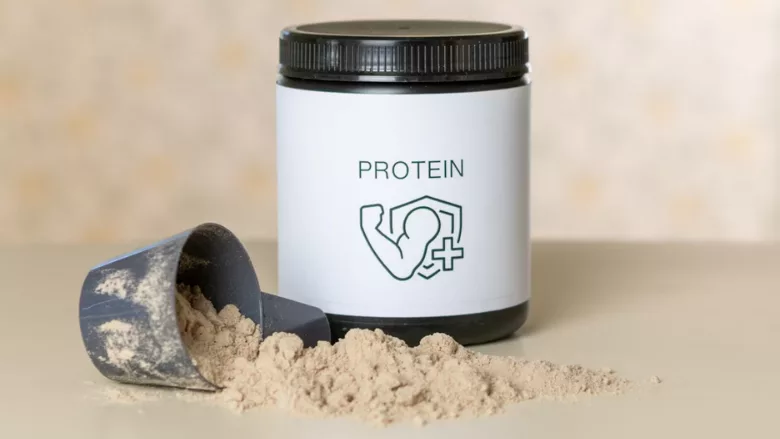
scoop and tub of protein powder
Image credit: Aleksander Saks via Unsplash
September 4, 2026

Need to Know

  • PFAS were detected in all five plant-based protein supplement types tested and were the dominant contributors to estimated cumulative non-carcinogenic risk, with rice protein producing the highest PFAS hazard quotient
  • Other contaminants were also detected, including mycotoxins, neonicotinoid pesticides, PAHs, and 5-HMF; certain findings indicated potential concerns under the study’s screening-level risk assessments
  • The researchers called for systematic monitoring of emerging contaminants and emphasized multi-contaminant risk assessment, while noting that the small sample size and exposure assumptions limit the findings’ generalizability.

A study of commercially available plant-based protein supplements detected multiple classes of chemical contaminants, with per- and polyfluoroalkyl substances (PFAS) identified as the primary contributor to estimated cumulative non-carcinogenic risk.

Published in NFS Journal and conducted by the University of Warmia and Mazury in Olsztyn and the University of Agriculture in Krakow, Poland, the study analyzed protein isolates derived from soy, rice, pea, hemp, and pumpkin seeds for PFAS, mycotoxins, pesticides, polycyclic aromatic hydrocarbons (PAHs), and the processing contaminant 5-hydroxymethylfurfural (5-HMF). The researchers aimed to characterize the co-occurrence of contaminants representing environmental contamination, agricultural residues, natural toxins, and industrial processing.

The products were obtained from retail distribution in Olsztyn, Poland. For the exposure assessment, the researchers assumed consumption of 30 grams of protein supplement per day by a 70-kilogram adult.

PFAS Drove Estimated Cumulative Risk

PFAS were detected in all five protein supplement types, with total concentrations ranging from approximately 724–3,010 nanograms per gram (ng/g). Soy protein contained the highest total PFAS concentration, followed by rice protein, while pumpkin seed protein contained the lowest.

Perfluorohexanoic acid (PFHxA) was the predominant PFAS across the samples, reaching 2,877 ng/g in soy protein.

Rice protein produced the highest PFAS hazard quotient (HQ) because the researchers' risk characterization was based on the sum of PFOA, PFOS, PFNA, and PFHxS, rather than total PFAS concentrations.

Across all five protein types, PFAS-related HQs ranged from approximately 32–260. The researchers emphasized that the European Food Safety Authority (EFSA) group-based approach used in the assessment was developed primarily for foods of animal origin and has not been specifically validated for plant-based protein isolates. Therefore, the estimates were described as preliminary comparative indicators rather than definitive measures of health risk.

Looking for quick answers on food safety topics?
Try Ask FSM, our new smart AI search tool.
Ask FSM →

When the researchers combined contaminants with established health-based guidance values into a total hazard index (HI), values ranged from 32.15 for hemp protein to 260.74 for rice protein. PFAS accounted for most of the calculated cumulative non-carcinogenic risk.

Mycotoxins, PAHs, Pesticides, and 5-HMF Were Also Detected

Additonally, seven of eight targeted mycotoxins were detected. Deoxynivalenol (DON), HT-2 toxin, T-2 toxin, and fumonisins occurred in all five supplement types, while aflatoxin B1 was not detected. Most individual mycotoxin HQs remained below 1; however, the combined HQ for T-2 and HT-2 toxins slightly exceeded 1 in pea protein.

Ochratoxin A (OTA) was detected in all five products, reaching its highest concentration in rice protein at 6.15 micrograms per kilogram (μg/kg), which exceeded the 5 μg/kg EU limit cited by the researchers. Rice and pea protein also produced OTA margins of exposure below the EFSA precautionary threshold used in the study.

Among 56 pesticides assessed, none were detected except the neonicotinoids clothianidin and thiamethoxam, and at low levels of non-carcinogenic risk.

PAHs ranged from undetectable concentrations in pea protein to 137 μg/kg in pumpkin seed protein. Only the low-molecular-weight PAHs naphthalene, acenaphthylene, and fluorene were detected; no high-molecular-weight or regulated marker PAHs were found. Screening-level estimates of lifetime cancer risk exceeded the study's risk-management threshold for hemp and pumpkin seed proteins, although the researchers cautioned that their assessment applied a conservative cancer slope factor to total PAHs.

Finally, 5-HMF varied substantially among products. Pea protein contained 369.16 milligrams per gram (mg/g), approximately 85 times the level in soy protein and 128 times the level in rice protein. Under the study's screening approach, estimated exposure from pea protein exceeded the animal-derived no-observed-adverse-effect level used by the researchers, resulting in an HQ of 1.98. The authors noted that the estimate should be interpreted cautiously because no acceptable or tolerable daily intake has been established for 5-HMF.

Researchers Call for Broader Monitoring

The researchers concluded that plant-based protein supplements may contain chemical contaminants arising from environmental exposure, agricultural practices, and processing. They called for systematic monitoring of emerging contaminants, improved control of environmental contamination, and optimization of processing conditions to reduce thermal process contaminants.

However, the authors acknowledged that the study included only five commercially available protein supplements and represented a limited geographic and temporal market snapshot. The exposure assessment also did not account for gastrointestinal bioaccessibility, potentially overestimating systemic exposure. They recommended studies involving more products and contaminant groups to determine whether the observed patterns hold across brands and production technologies.


KEYWORDS: PFAS protein study supplements

Share This Story

Fsm purple logo 200x200

The Food Safety Magazine editorial team comprises Bailee Henderson, Director of Content Strategy and news editor ✉, and Adrienne Blume, M.A., Director of Editorial and Industry Engagement.

Recommended Content

JOIN TODAY
to unlock your recommendations.

Already have an account? Sign In

  • people holding baby chicks

    Serovar Differences Matter: Utility of Deep Serotyping in Broiler Production and Processing

    This article discusses the significance of Salmonella in...
    Testing & Analysis
    By: Nikki Shariat Ph.D.
  • woman washing hands

    Building a Culture of Hygiene in the Food Processing Plant

    Everyone entering a food processing facility needs to...
    Personal Hygiene/Handwashing
    By: Richard F. Stier, M.S.
  • graphical representation of earth over dirt

    Climate Change and Emerging Risks to Food Safety: Building Climate Resilience

    This article examines the multifaceted threats to food...
    Management
    By: Maria Cristina Tirado Ph.D., D.V.M. and Shamini Albert Raj M.A.
Manage My Account
  • eMagazine Subscription
  • Subscribe to Newsletters
  • Manage My Preferences
  • Website Registration
  • Subscription Customer Service

More Videos

Sponsored Content

Sponsored Content is a special paid section where industry companies provide high quality, objective, non-commercial content around topics of interest to the Food Safety Magazine audience. All Sponsored Content is supplied by the advertising company and any opinions expressed in this article are those of the author and not necessarily reflect the views of Food Safety Magazine or its parent company, BNP Media. Interested in participating in our Sponsored Content section? Contact your local rep!

close
  • Top view portrait of two factory workers standing by conveyor belt during quality inspection at food production, copy space
    Sponsored byFlexXray

    Foreign Material By the Numbers: What the 2026 Benchmark Report Reveals

  • a conveyorized industrial metal detector system that appears to resemble a Loma Systems IQ4 Metal Detector setup with an integrated conveyor belt and control panel for food or package inspection.
    Sponsored byMettler Toledo

    Beyond Detection: How to Avoid Physical Contamination in Food Through a Smarter Inspection Strategy

  • The image displays a bottling plant production line, commonly used in the beverage industry for filling and packaging soft drinks.
    Sponsored byBIOIONIX

    Sustainability with ROI: A Beverage Producer Case Study in Water Savings

Popular Stories

Dr. Heidi Overton speaking at Senate hearing

In Senate Hearing, FDA Commissioner Nominee Says Lack of Resources Will Challenge GRAS Reform

The image displays a bottling plant production line, commonly used in the beverage industry for filling and packaging soft drinks.

Sustainability with ROI: A Beverage Producer Case Study in Water Savings

simple UK flag

UK FSA Board Decides to Advance Sweeping Food System Regulatory Reforms

allergens ebook

Events

September 30, 2026

Beyond Compliance: Building a Culture of Food Safety with GFSI's 2026 Framework

Live: September 30, 2026 at 2:00 pm EDT: Attend this webinar to evaluate best practices for monitoring regulatory changes and protecting market access.

October 6, 2026

Advances in Environmental Monitoring Science and Strategy

Live: October 6, 2026 at 2:00 pm EDT: This webinar will cover how environmental monitoring science and EMP strategies support sanitation verification and the safe production of food.

October 15, 2026

How to Prevent Physical Contamination in Food Production and Strengthen Compliance

Live: October 15, 2026 at 2:00 pm EDT: Attend this webinar to gain insight into how product inspection helps protect your brand, reduce recall risk, and support compliance.

View All

Products

Global Food Safety Microbial Interventions and Molecular Advancements

Global Food Safety Microbial Interventions and Molecular Advancements

See More Products

Related Articles

  • raw tilapia filets

    Latest FDA Total Diet Study Testing Finds PFAS in 7 Percent of Samples

    See More
  • Rice and chopsticks

    Consumer Reports Finds Inorganic Arsenic in All Rice Tested; Calls on FDA to Set Limits

    See More
  • aerial view of plate of strawberries on blue table

    Study Finds Pesticides, PFAS, Other Toxic Chemicals in Vast Majority of Dutch Strawberry Samples

    See More

Related Products

See More Products
  • 9781138070912.jpg

    Trends in Food Safety and Protection

  • 1119237963.jpg

    Food Safety in China: Science, Technology, Management and Regulation

  • 1119160553.jpg

    Food Safety: Innovative Analytical Tools for Safety Assessment

See More Products

Related Directories

  • RL Labs

    RL Labs helps food, pet food, and supplement brands simplify testing. Through our laboratories and experienced food science team, we provide reliable testing, safety and compliance guidance, shelf-life studies, nutritional analysis, allergen screening, food safety, heavy metals testing, and labeling support. Available seven days a week. Food Science Simplified.
  • All Seasons Uniforms

    From the workforce to the home front, we provide everything from industrial work uniforms and corporate apparel to fashion and casual wear—and everything in between. Our all-inclusive work uniform store pairs convenience and a wide range of selections; all accessible with a click of a button. We offer additional services for all of your work uniforms and apparel— including direct embroidery, custom emblems, and screen printing.
  • Orkin Commercial Services

    In food and beverage processing facilities and plants, pests aren’t just a nuisance - they can jeopardize food safety compliance and your bottom line. That’s where we come in. Orkin designs pest prevention pre-requisites as part of your FSMA Food Safety Plan to help reduce contamination risks, protect your products and keep your facility audit ready. With IPM strategies grounded in science (and a little grit), we handle the pests so you can focus on making safe, quality products.
×

Never miss the latest news and trends driving the food safety industry

Newsletters | Website | FSM Features Collection

JOIN TODAY!
  • RESOURCES
    • Advertise
    • Contact Us
    • Directories
    • Store
    • Want More
  • SIGN UP TODAY
    • Create Account
    • eMagazine
    • Newsletters
    • Customer Service
    • Manage Preferences
  • SERVICES
    • Marketing Services
    • Reprints
    • Market Research
    • List Rental
    • Survey/Respondent Access
  • STAY CONNECTED
    • LinkedIn
    • Facebook
    • Instagram
    • X (Twitter)
  • PRIVACY
    • PRIVACY POLICY
    • TERMS & CONDITIONS
    • DO NOT SELL MY PERSONAL INFORMATION
    • PRIVACY REQUEST
    • ACCESSIBILITY

Copyright ©2026. All Rights Reserved BNP Media, Inc. and BNP Media II, LLC.

Design, CMS, Hosting & Web Development :: ePublishing