Mycotoxins, PAHs, and other contaminants were also detected. The researchers concluded that plant-based protein supplements may contain chemical contaminants from environmental exposure, agricultural practices, and processing. They called for systematic monitoring, improved controls, and optimization of processing conditions.
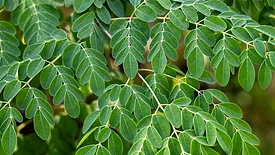
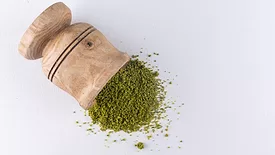
FDA’s post-incident Executive Incident Summary of a 2026 Salmonella outbreak linked to MOGO-brand moringa supplements details traceback findings, positive product samples, and food safety deficiencies identified during inspections of firms in the moringa powder supply chain.
Because dietary supplements are regulated by FDA as a subcategory of food, manufacturers are generally not required to demonstrate their safety or efficacy for pre-market approval. The American College of Physicians argues this allows adulterated and mislabeled products to enter the market.
In-house quality control teams and third-party laboratories can use the GENE-UP PROBIOTIC SPECIES ID assay to identify 18 commonly used probiotic species in 90 minutes or less.
The platform was developed to address limitations of earlier DNA barcoding methods by using species-targeted genomic approaches, authenticated reference materials, and analytical systems designed specifically for commercial botanical products.
The agency has also reopened a previously closed Salmonella outbreak investigation linked to powdered moringa supplements, with 22 new reported illnesses in four additional states.
Health Canada has announced the transition of sports electrolyte products from the Natural Health Product (NHP) regulatory framework to the food regulatory framework.
In a meeting with industry, the Dutch Ministry of Health, Welfare and Sport (WVS) confirmed its intent to ban the botanical ashwagandha, a widely used dietary supplement and functional food/beverage ingredient.
SuppCo’s mobile application evaluates dietary supplements using its TrustScore methodology. Eurofins Supplement Testing and the Eurofins Assurance provide testing services and certification programs for dietary supplements and ingredients.
Although FDA was unable to find a cause of contamination, a single supplier of the contaminated moringa powder was identified. Affected products, which were sold under the Rosabella brand and distributed by Ambrosia Brands LLC, have been recalled.