Moringa Supply Chains Under Scrutiny: What Recent Contamination Cases Reveal About Botanical Ingredient Risks
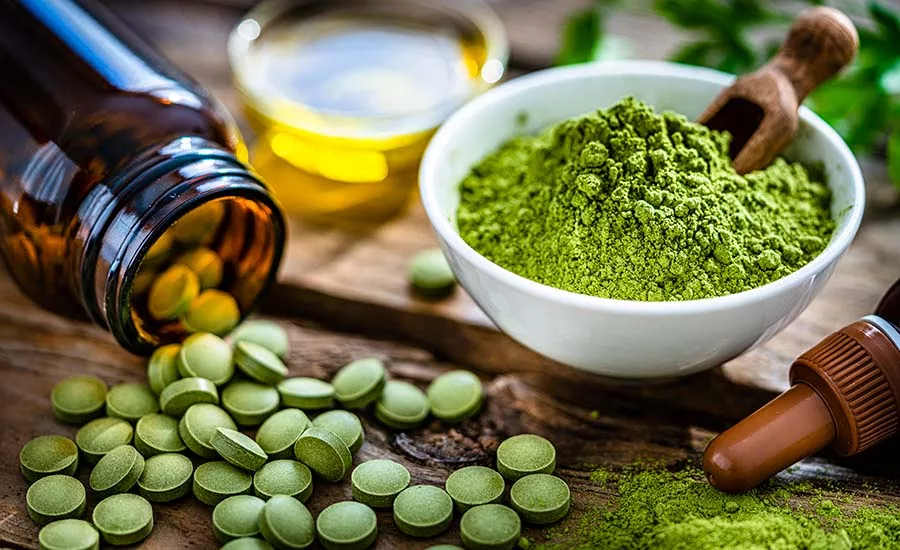
Recent contamination incidents involving moringa products have drawn attention to a broader issue that affects many botanical ingredients used in the global natural health industry. While moringa has gained widespread popularity for its nutritional profile and potential wellness benefits, the outbreaks highlight vulnerabilities that can arise when supply chains lack sufficient transparency, testing protocols, and oversight.
For industry experts and manufacturers working closely with botanical sourcing, these events offer an opportunity to examine where problems can emerge and how companies can better protect consumer safety.
Where Contamination can Occur
Botanical ingredients such as moringa pass through multiple stages before they reach consumers. At each stage, there is potential for contamination if proper controls are not in place.
At the farm level, contamination can occur through environmental exposure. Moringa is typically grown in open agricultural environments where factors such as animal droppings or contaminated irrigation water can introduce pathogens if fields are not carefully managed.
After harvesting, the leaves are usually dried before being processed into powder. This stage can also introduce risks if sanitation procedures are inadequate or if drying areas are exposed to contamination. In many cases, drying and sorting involve manual handling, which makes hygiene practices particularly important. Later stages of the process, including transportation, milling, and packaging, present additional points where contamination can occur if proper quality control procedures are not followed.
Since contamination can happen at several points, experts emphasize that testing should not be limited to a single stage of production.
The Importance of Multi-Stage Testing
One of the most effective safeguards against contamination is a robust testing program implemented throughout the supply chain. Ideally, testing should occur during multiple phases of production. This includes testing during harvest periods, testing of raw materials after harvesting, testing during manufacturing processes, and final batch-level testing of finished products before distribution.
Looking for quick answers on food safety topics?
Try Ask FSM, our new smart AI search tool.
Ask FSM →
Relying solely on finished product testing can leave gaps in the system, however. If contamination occurs early in the process, identifying it only at the end of production may lead to significant product losses or potential safety risks. Consistent testing across multiple stages allows manufacturers to detect problems earlier and prevent contaminated materials from progressing through the supply chain. However, the implementation of these testing programs can vary widely depending on the sourcing model used by a brand.
The Role of Supply Chain Transparency
A key factor influencing product safety is the level of transparency within the supply chain. In many cases, botanical ingredients are sourced through complex networks involving brokers, traders, and multiple farming operations. While this approach can help suppliers secure large quantities of raw materials at competitive prices, it can also make traceability more difficult.
When ingredients pass through several intermediaries, manufacturers may have limited visibility into where the product was grown, how it was harvested, and what sanitation protocols were followed during processing. This lack of transparency can increase the risk of contamination events, particularly if testing protocols or quality standards differ between suppliers.
In contrast, supply chains built around direct relationships with farms or clearly traceable sources tend to offer better oversight. When manufacturers know exactly where their ingredients originate, it becomes easier to verify agricultural practices, inspect processing methods, and implement consistent testing protocols.
The Emergence of a Two-Tier Supply Chain
Within the moringa industry, many experts describe the development of a "two-tier" supply chain structure.
The first tier is a commodity-style model where moringa powder is sourced in bulk from multiple farms and aggregated through brokers or trading networks. This approach offers flexibility and lower costs, making it attractive for large-scale production. However, the aggregation of materials from different sources can complicate quality control. Each farm may follow different agricultural practices, sanitation standards, and testing procedures. When these products are blended into bulk shipments, traceability becomes more difficult.
The second tier involves direct sourcing from specific farms or tightly controlled supply networks. This model emphasizes traceability, consistent agricultural practices, and direct oversight of harvesting and processing conditions. While single-origin sourcing can offer stronger quality control, it also comes with trade-offs. Costs may be higher, and supply diversification may be more limited compared with bulk sourcing models.
In the case of moringa, however, the plant's natural resilience and adaptability to different growing conditions help mitigate some of the agricultural risks associated with single-origin sourcing.
Where Testing Systems Often Break Down
Even when testing programs exist, failures can occur if they are not consistently implemented throughout the supply chain. A common issue is the over-reliance on final product testing without sufficient oversight at earlier stages of production. Farms or suppliers may only test the finished product rather than conducting raw material testing during harvesting or processing.
Another challenge arises when manufacturers rely on multiple suppliers. As supply chains become more fragmented, maintaining consistent quality standards across every supplier becomes increasingly complex.
Documentation and traceability systems can also present challenges if records are incomplete or difficult to verify. Without reliable documentation of testing procedures, agricultural practices, and processing conditions, it becomes harder for manufacturers to ensure that ingredients meet safety requirements.
Regulatory Frameworks and Enforcement
Regulatory systems such as the U.S. Food and Drug Administration's current Good Manufacturing Practices (cGMPs) and the Food Safety Modernization Act (FSMA) provide important frameworks for managing food safety risks.
These regulations require manufacturers to implement supplier verification programs, conduct risk assessments, and maintain appropriate testing procedures. When applied effectively, these systems can significantly reduce the risk of contamination events. However, the effectiveness of these regulations depends heavily on enforcement and verification, particularly in global supply chains that involve imported botanical ingredients.
In some cases, products may enter the market without comprehensive verification of testing documentation. This can occur when supply chains involve multiple international intermediaries or when oversight mechanisms vary between jurisdictions.
Certain marketplaces have introduced additional safety requirements. For example, some platforms require manufacturers to demonstrate compliance with cGMP standards and provide batch-level testing from certified laboratories before selling products. While these requirements help strengthen safety standards, industry experts note that enforcement processes can sometimes lag behind product listings.
Price Differences and Quality Indicators
Another factor that can influence supply chain safety is the large variation in pricing between different moringa powder sources. Lower prices may sometimes reflect operational efficiencies or favorable agricultural conditions. However, significant price differences can also signal variations in farming practices, sanitation controls, and quality assurance procedures.
Moringa quality can vary considerably depending on soil health, drying methods, harvesting practices, and overall agricultural management. Suppliers that invest in proper sanitation infrastructure, controlled drying environments, and consistent laboratory testing often incur higher operational costs.
For manufacturers evaluating suppliers, price should be considered alongside other factors such as traceability, testing documentation, and adherence to Good Agricultural Practices (GAPs).
Building Safer Botanical Supply Chains
Ultimately, preventing contamination events in botanical products requires a combination of transparent sourcing, consistent testing, and responsible manufacturing practices.
Companies that invest in direct supplier relationships, independent laboratory testing, and clear documentation systems are generally better positioned to manage risks across complex supply chains. Consumers, in turn, can benefit from seeking out brands that provide transparent sourcing information and third-party testing verification.
As demand for botanical ingredients continues to grow globally, maintaining high safety standards will remain essential, not only for protecting consumers but also for preserving trust in the natural health sector as a whole. Recent incidents serve as a reminder that while plants like moringa offer significant nutritional potential, the integrity of the supply chain ultimately determines the safety and quality of the products that reach consumers.