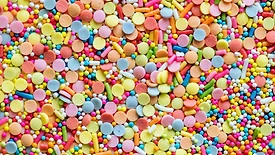
Sprinkles may seem like a minor decorative detail on a birthday cake or holiday cookie, but they sit at the intersection of several fast-moving regulatory concerns: the phaseout of certain FD&C dyes, the clean label movement, allergen management, and GMO transparency.
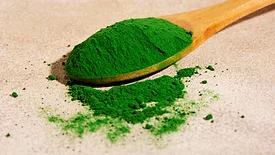
The delays give the agency time to respond to comments made on the final orders approving beetroot red and spirulina extract for use as color additives in human foods. However, FDA stands by its determinations that the colorants are safe for their intended uses.
The products have been recalled, but have a long shelf life. FDA previously reported working with the manufacturers to determine the root cause of contamination, but has not shared an update at the time of the investigation’s close.
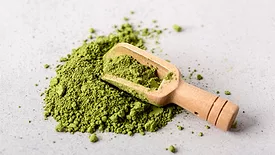
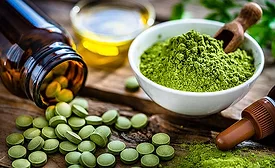
Recent contamination incidents involving moringa products draw attention to supply chain vulnerabilities that affect many botanical ingredients used in the global natural health industry. These events offer an opportunity to examine where problems can emerge and how companies can better protect consumer safety.
Manufacturers that proactively align decorative ingredients with clean-label, non-GMO, and allergen management strategies are better positioned to meet retailer requirements, reduce operational risk, and respond to changing consumer values.
Set to open in spring 2026 in Georgia, the Wolf’s Customer Experience Center will serve as a collaborative space for research, product development, and customer engagement, supporting WTI’s focus on food safety, quality, and naturally derived ingredient technologies.
The global trend toward natural and functional foods has fueled the popularity of edible flowers. To investigate the associated food safety risks, researchers conducted a comprehensive literature review, and identified pyrrolizidine and tropane alkaloids as a significant concern.