Study Outlines Food Safety Concerns of Increasingly Consumed Edible Flowers
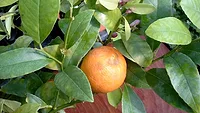
The global trend toward natural and functional foods has fueled the popularity of edible flowers. To investigate the food safety risks of this increasingly consumed category, researchers from Rey Juan Carlos University in Spain conducted a comprehensive literature review, published in Foods, with pyrrolizidine and tropane alkaloids emerging as a significant concern.
Edible flowers are consumed fresh, dried, or in derived products such as infusions, supplements, and honey. The available literature shows that these flowers and their products can contain pesticide residues, heavy metals, pathogens, and physical contaminants like insects. Alerts from the EU Rapid Alert System for Food and Feed (RASFF) have documented pesticide non-compliance, Salmonella contamination, and excessive pyrrolizidine alkaloid (PA) and tropane alkaloid (TA) levels in products marketed as organic.
Additionally, toxic heavy metals such as cadmium and lead are a concern due to soil and water contamination, though most tested edible flower samples fall below regulatory limits. Microbiological risks are particularly relevant because flowers are often consumed raw, with studies detecting Escherichia coli and Staphylococcus aureus in inadequately managed crops.
The researchers found that PAs and TAs pose the most significant toxicological risk. These compounds, naturally produced by certain plants, can cause liver damage, neurological effects, and increased cancer risk. While edible flowers like borage produce PAs themselves, cross-contamination during cultivation or processing can introduce these toxins into non-producing species.
Regulatory thresholds exist for herbal infusions and supplements in the EU, but fresh flowers remain largely unregulated. Studies report PA concentrations in borage flowers exceeding 88,000 micrograms per kilogram (µg/kg) dry weight—well above established limits for similar plant materials.
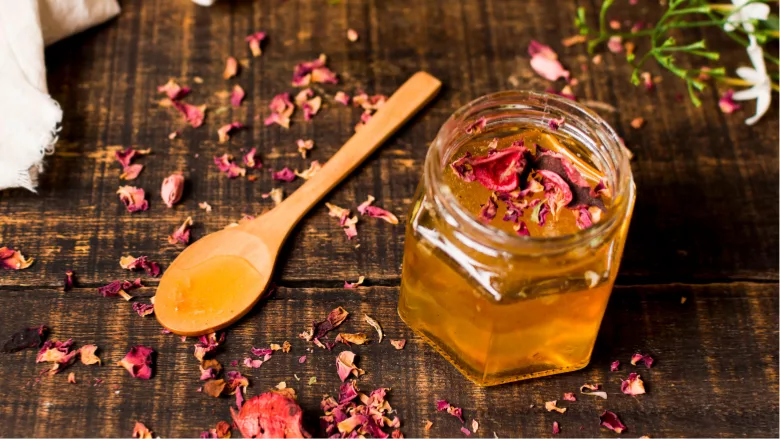
Flower-based infusions and supplements show wide variability in alkaloid content, with chamomile teas and multi-flower supplements frequently testing positive for PAs. Honey and pollen also accumulate these toxins via pollinating insects, with PA levels in raw honey reaching up to 3,313 µg/kg in some cases. Although most commercial products comply with safety limits, occasional exceedances highlight risks for vulnerable populations, including children and pregnant women.
Recent advancements in analytical methodologies have improved detection of alkaloids at trace levels. However, lack of standardized protocols and certified reference materials limit comparability across studies. Experts call for harmonized regulations, expanded monitoring, and eco-efficient analytical workflows to ensure consumer safety as edible flower popularity continues to rise.
Looking for quick answers on food safety topics?
Try Ask FSM, our new smart AI search tool.
Ask FSM →