Strategic Advantages of Natural, Non-GMO Decorative Ingredients
In today's food landscape, consumer trust is increasingly shaped by ingredient transparency. Shoppers are reading labels more closely, retailers are tightening formulation standards, and regulators continue to scrutinize color additives and allergen disclosures. As a result, decorative components—once treated as low-risk, commodity inputs—are now receiving the same level of attention as core ingredients.
For manufacturers, this shift presents both challenges and opportunities. Sprinkles, inclusions, and decorative toppings can undermine clean-label positioning if they contain synthetic dyes, genetically modified ingredients, or common allergens. Conversely, when aligned with clean-label and food safety goals, these components can reinforce brand credibility, simplify compliance, and unlock access to premium retail channels.
The Clean-Label Mandate Extends to Decorations
Historically, food decorations were often formulated with artificial colors, hydrogenated oils, and additives designed primarily for cost efficiency and visual impact. While effective from a production standpoint, these ingredients increasingly conflict with modern consumer expectations.
Clean-label formulations now emphasize:
- Short, recognizable ingredient lists
- Plant-based or naturally derived colors
- Non-GMO sourcing
- The absence of artificial preservatives and flavors.
While core formulations may already meet these criteria, decorative elements are frequently overlooked during reformulation. This creates a disconnect: a product marketed as "better-for-you" may still contain synthetic dyes or allergens introduced solely through its decoration. Addressing this gap requires manufacturers to evaluate decorative ingredients with the same rigor applied to flour, fats, and sweeteners.
Natural Color Systems and Ingredient Transparency
One of the most visible challenges in decorative reformulation is color. Synthetic Food, Drug, and Cosmetic Act (FD&C) dyes have long been favored for their vibrancy, stability, and low cost. However, growing consumer skepticism and retailer restrictions are accelerating the shift toward naturally derived alternatives.
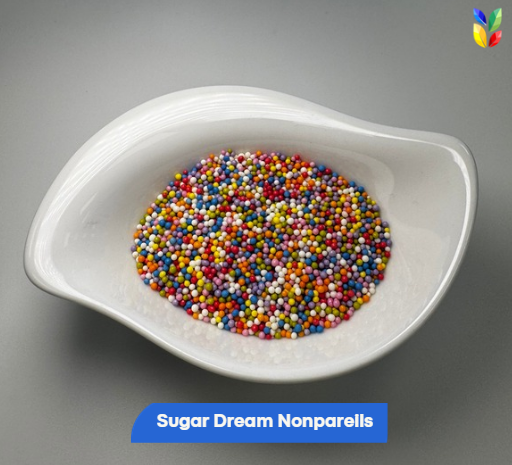
Plant-based color systems—such as those derived from spirulina, turmeric, annatto, beet, or beta-carotene—allow manufacturers to replace artificial dyes while maintaining visual appeal (Figure 1). When properly engineered, these systems can deliver consistent color performance and acceptable shelf stability across a wide range of bakery applications.
Figure 1. Plant-based color systems allow manufacturers to replace artificial dyes while maintaining visual appeal (Image credit: FoodGrid Inc.)
Looking for quick answers on food safety topics?
Try Ask FSM, our new smart AI search tool.
Ask FSM →
From a labeling perspective, naturally sourced colors also offer a significant advantage. Ingredient statements that reference familiar plant extracts are easier for consumers to understand and are often perceived as healthier and more transparent, even when used in small quantities.
Non-GMO Sourcing and Retail Readiness
Non-GMO claims continue to influence purchasing decisions, particularly in natural and specialty retail channels. For manufacturers supplying these outlets, decorative ingredients must align with broader non-GMO commitments.
Using verified non-GMO components in decorations reduces the risk of non-compliance during audits and simplifies documentation for procurement and quality assurance teams. It also ensures that finished products remain eligible for retailer clean-label programs, which may disqualify items based on a single, noncompliant sub-ingredient. This is especially relevant for high-volume SKUs, where reformulation delays or ingredient rejections can disrupt supply chains and impact launch timelines.
Allergen Risk Management and Operational Efficiency
Beyond labeling, allergen management is a critical operational concern. Decorative ingredients that contain or are processed alongside major allergens can introduce unnecessary risk into otherwise allergen-controlled facilities.
Adopting decorations that are free from the nine major allergens—including dairy, soy, wheat, nuts, eggs, and sesame—can significantly reduce:
- Cross-contact risk
- Sanitation complexity
- The need for segregated production runs.
For manufacturers producing multiple SKUs across different dietary segments, allergen-friendly decorations also improve formulation flexibility. A single, decorative solution can often be used across vegan, gluten-free, and allergen-sensitive product lines without modification.
Dietary Compatibility and Market Expansion
In addition to allergen considerations, many decorative formulations now align with broader dietary preferences, such as vegan, vegetarian, and kosher standards. This inherent versatility allows manufacturers to expand market reach without introducing product-specific decorations for each segment.
From a commercial standpoint, this flexibility reduces SKU proliferation, simplifies inventory management, and supports faster innovation cycles—particularly important as seasonal and limited-edition products continue to grow in popularity.
Commercial Impact: More Than Aesthetics
While decorations are visually driven by nature, their commercial impact extends well beyond appearance. Ingredient integrity at the decorative level can influence:
- Market access: Products formulated with clean-label, allergen-friendly decorations are more likely to qualify for premium retail programs and private-label partnerships.
- Brand trust: Consistent ingredient transparency across all components reinforces brand credibility and reduces the risk of consumer backlash or reformulation recalls.
- Shelf performance: Advances in natural color technology have enhanced color stability and vibrancy, thereby supporting a strong shelf presence in both physical and e-commerce environments.
In an era where social sharing and online merchandising influence purchasing behavior, visual appeal remains essential—but it must now coexist with clean-label expectations.
A Strategic Shift in Ingredient Evaluation
The evolving role of decorative ingredients reflects a broader transformation in food manufacturing. No longer treated as an afterthought, decorations are becoming strategic inputs that affect compliance, operations, and brand positioning.
Manufacturers that proactively align decorative components with clean-label, non-GMO, and allergen management strategies are better positioned to meet retailer requirements, reduce operational risk, and respond to changing consumer values.
As the definition of "better-for-you" continues to expand, success will increasingly depend on consistency—ensuring that every ingredient, no matter how small, supports the product's overall promise.