Food Safety
search
Ask Food Safety AI
cart
facebook twitter linkedin instagram youtube
  • Sign In
  • Create Account
  • Sign Out
  • My Account
Food Safety
  • NEWS
    • Latest News
    • Sponsored Insights
    • Sponsored White Papers
  • PRODUCTS
  • TOPICS
    • Contamination Control
    • Food Types
    • Management
    • Process Control
    • Regulatory
    • Sanitation
    • Supply Chain
    • Testing and Analysis
  • PODCAST
  • EXCLUSIVES
    • Food Safety Five Newsreel
    • eBooks
    • FSM Distinguished Service Award
    • Interactive Product Spotlights
    • Videos
  • MORE
    • BUYER'S GUIDE
    • NEWSLETTERS >
      • Archive Issues
      • Subscribe to eNews
    • Store
    • ASK FSM AI
  • WEBINARS
  • FOOD SAFETY SUMMIT
  • FSM FEATURES
    • FSM Features Collection
    • eMag Archives
    • Editorial Advisory Board
    • Contact
    • Advertise
  • SIGN UP!
Products

Patent Pending for Non-GMO Acrylamide-Reducing Baker’s Yeast

July 15, 2015

Renaissance BioScience Corp.--with its wholly owned subsidiary Renaissance Ingredients Inc.--is pleased to announce the filing of a provisional application to the US Patent and Trademark Office for the patent of its non-GMO acrylamide-reducing (AR) baker’s yeast. The application protects the company’s work over the last 2 years in developing baker’s yeast strains (Saccharomyces cerevisiae) that naturally reduce acrylamide by up to 95 percent in a variety of food products by degrading the precursor compound asparagine.

“Our AR yeast is an important step towards solving the global health concerns posed by dietary acrylamide,” says Renaissance Ingredients president Matthew Dahabieh. “Our testing, both in-house and with commercial partners, demonstrates that AR yeast reduces acrylamide by up to 95 percent in a variety of foods.”

AR yeast applications: baked goods, potato products, snack foods, and coffee
Renaissance Ingredients’ AR yeast strains are traditional baker’s yeast with an accelerated natural ability to consume asparagine, thereby reducing acrylamide. In baked goods where yeast has always been used as an ingredient, AR yeast can seamlessly replace conventional baker’s yeast with no disruption to the baking process. Importantly, AR yeast also can be used in foods in which yeast is not normally an ingredient. Renaissance Ingredients has conducted numerous successful studies on the feasibility of using AR yeast in novel ways for foods containing yeast extract, chemically leavened foods, or foods exposed to soaking steps during processing. These foods include potato-based products such as potato chips and French fries, savory snack foods, cereal products, and coffee.

“Our in-house studies highlight the versatility and efficacy of our AR yeast in reducing acrylamide not only in baked goods and toast, but also in potato products, snack foods, cereal products, and coffee. We are now looking to demonstrate this efficacy in pilot-scale trials by working closely with interested industry partners,” adds Dahabieh.


Author(s): Staff

Looking for quick answers on food safety topics?
Try Ask FSM, our new smart AI search tool.
Ask FSM →


Share This Story

Recommended Content

JOIN TODAY
to unlock your recommendations.

Already have an account? Sign In

  • people holding baby chicks

    Serovar Differences Matter: Utility of Deep Serotyping in Broiler Production and Processing

    This article discusses the significance of Salmonella in...
    Food Type
    By: Nikki Shariat Ph.D.
  • woman washing hands

    Building a Culture of Hygiene in the Food Processing Plant

    Everyone entering a food processing facility needs to...
    Management
    By: Richard F. Stier, M.S.
  • graphical representation of earth over dirt

    Climate Change and Emerging Risks to Food Safety: Building Climate Resilience

    This article examines the multifaceted threats to food...
    Risk Assessment
    By: Maria Cristina Tirado Ph.D., D.V.M. and Shamini Albert Raj M.A.
Manage My Account
  • eMagazine Subscription
  • Subscribe to Newsletters
  • Manage My Preferences
  • Website Registration
  • Subscription Customer Service

More Videos

Sponsored Content

Sponsored Content is a special paid section where industry companies provide high quality, objective, non-commercial content around topics of interest to the Food Safety Magazine audience. All Sponsored Content is supplied by the advertising company and any opinions expressed in this article are those of the author and not necessarily reflect the views of Food Safety Magazine or its parent company, BNP Media. Interested in participating in our Sponsored Content section? Contact your local rep!

close
  • Top view portrait of two factory workers standing by conveyor belt during quality inspection at food production, copy space
    Sponsored byFlexXray

    Foreign Material By the Numbers: What the 2026 Benchmark Report Reveals

  • a conveyorized industrial metal detector system that appears to resemble a Loma Systems IQ4 Metal Detector setup with an integrated conveyor belt and control panel for food or package inspection.
    Sponsored byMettler Toledo

    Beyond Detection: How to Avoid Physical Contamination in Food Through a Smarter Inspection Strategy

  • The image displays a bottling plant production line, commonly used in the beverage industry for filling and packaging soft drinks.
    Sponsored byBIOIONIX

    Sustainability with ROI: A Beverage Producer Case Study in Water Savings

Popular Stories

Dr. Heidi Overton speaking at Senate hearing

In Senate Hearing, FDA Commissioner Nominee Says Lack of Resources Will Challenge GRAS Reform

rangpur lime

Pathogens Found on Brazilian Citrus Fruit Present Emerging Food Safety Concerns

lightbulb on a plate next to fork and knife representing food innovation ideas

EFSA Outlines Scientific Needs for Regulatory Preparedness, Risk Assessment

allergens ebook

Events

October 6, 2026

Advances in Environmental Monitoring Science and Strategy

Live: October 6, 2026 at 2:00 pm EDT: This webinar will cover how environmental monitoring science and EMP strategies support sanitation verification and the safe production of food.

October 15, 2026

How to Prevent Physical Contamination in Food Production and Strengthen Compliance

Live: October 15, 2026 at 2:00 pm EDT: Attend this webinar to gain insight into how product inspection helps protect your brand, reduce recall risk, and support compliance.

October 29, 2026

FDA Proposes Major GRAS Reform: What It Could Mean for Your Business

Live: October 29, 2026 at 2:00 pm EDT: Attend this webinar to examine potential implications for self-GRAS, Flavor and Extract Manufacturers Association (FEMA) GRAS, and food-contact substances.

View All

Products

Global Food Safety Microbial Interventions and Molecular Advancements

Global Food Safety Microbial Interventions and Molecular Advancements

See More Products

Related Articles

  • FDA Logo from Facebook.png

    GRAS Acrylamide-Reducing Baker’s Yeast Strain Gets OK from FDA

    See More
  • Motion Lube Caddy

    Patent-Pending Motion Lube Caddy Enables Sanitary Oil Changes for Machinery

    See More
  • Austria Juice's line of reduced sugar juices

    Patent-Pending Fermentation Technology Reduces Sugars in Fruit Juice

    See More

Related Products

See More Products
  • 1119160553.jpg

    Food Safety: Innovative Analytical Tools for Safety Assessment

  • 1119053595.jpg

    Food Safety for the 21st Century: Managing HACCP and Food Safety throughout the Global Supply Chain, 2E

  • 1118396308.jpg

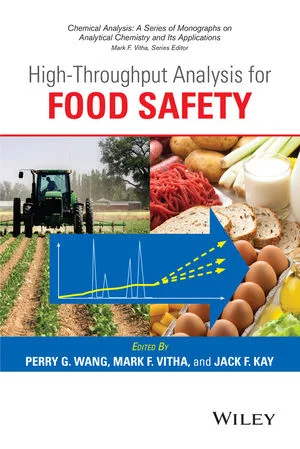
    High Throughput Analysis for Food Safety

See More Products

Events

View AllSubmit An Event
  • August 11, 2026

    Beyond Sanitization: Reducing Contamination Risk Without Raising Operating Cost

    On Demand: Attend this webinar to learn why ambient air is the largest and most overlooked contamination zone in food processing, and what it costs you between scheduled cleans.
View AllSubmit An Event

Related Directories

  • Biolog

    Biolog offers tools, services, and support for comprehensive cellular characterization and multi-omic identification of bacteria, yeast, and fungi, as well as phenotypic profiling of microbial and mammalian cells for a range of applications. Our gloveless chambers and pre-reduced media support the culture of fastidious anaerobes, and our accredited services include environmental monitoring and foodborne pathogen testing.
  • Food Radar Systems in Sweden AB

    Food Radar Systems, based in Sweden, develops microwave technology that detects and rejects low-density foreign bodies in pumpable food products, helping food manufacturers improve safety, protect consumers, and strengthen quality assurance in modern production environments.
×

Never miss the latest news and trends driving the food safety industry

Newsletters | Website | FSM Features Collection

JOIN TODAY!
  • RESOURCES
    • Advertise
    • Contact Us
    • Directories
    • Store
    • Want More
  • SIGN UP TODAY
    • Create Account
    • eMagazine
    • Newsletters
    • Customer Service
    • Manage Preferences
  • SERVICES
    • Marketing Services
    • Reprints
    • Market Research
    • List Rental
    • Survey/Respondent Access
  • STAY CONNECTED
    • LinkedIn
    • Facebook
    • Instagram
    • X (Twitter)
  • PRIVACY
    • PRIVACY POLICY
    • TERMS & CONDITIONS
    • DO NOT SELL MY PERSONAL INFORMATION
    • PRIVACY REQUEST
    • ACCESSIBILITY

Copyright ©2026. All Rights Reserved BNP Media, Inc. and BNP Media II, LLC.

Design, CMS, Hosting & Web Development :: ePublishing