FDA Delays Approvals for ‘Natural’ Food Dyes Due to Stakeholder Objections
The U.S. Food and Drug Administration (FDA) has indefinitely delayed the effective dates of final orders approving two natural ingredient-derived colorants for use in human foods.
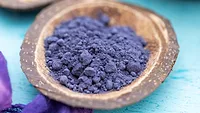
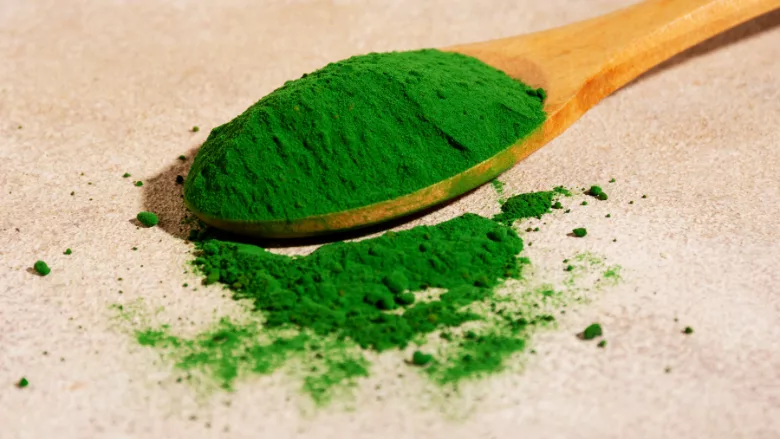
In February 2026, FDA issued final orders approving the use of beetroot red and expanding the approved uses of spirulina extract as color additives in human foods, enabling the use of these colorants in foods with “no artificial colors” label claims. However, to give the agency time to respond to objections and requests for hearings received from stakeholders on the final listing orders, FDA has delayed the effective dates of the orders.
FDA said the procedural steps it is taking to evaluate the objectors’ comments do not change the agency’s determination that the color additives are safe for their intended uses.
Objections Against Beetroot Red: GMOs Are Not “Natural”
The comment objecting to the final order approving beetroot red that prompted FDA to delay its effective date was made by nonprofit interest group GMO/Toxin Free USA. According to the group, beetroot red does not qualify as a “natural” food dye, as it is produced with genetically engineered Synthetic Biology (SynBio). The group also asserts that the applicant, Phytolon, has failed to provide adequate proof of safety of long-term human consumption, calling into question the applicant’s carcinogenicity evidence, the short-term study from which the applicant derived the No Observed Adverse Effect Level (NOAEL), a reliance on published studies on natural beetroot juice/betalains, and redacted genetic sequences making it impossible to assess allergenicity.
Objections Against Spirulina Extract: A Matter of National Security?
Interestingly, the objector against spirulina extract that gave FDA pause was Obelisk Tech Systems, a national defense and cybersecurity contractor. In a series of three documents, Obelisk Tech Systems’ Executive Chairman and CEO made a range of complaints about the national security, recordkeeping, and public health implications of expanding the approved uses for spirulina extract in human foods.
For example, the comment asserted that, because “food security is national security” and “spirulina extract is predominantly manufactured in China,” then “approving ‘human foods generally’ use of a color additive with a China-dominant supply chain… creates a national security food supply vulnerability under the Defense Production Act.”
Relevant to public health, Obelisk Tech Systems claimed that certain safety data for spirulina extract as a food colorant is inadequate, including cumulative exposure analysis and cadmium specifications; that the final order lacks exclusions for certain children’s foods categories; and that “FDA did not examine the relevant data on unconstrained Good Manufacturing Practice (GMP)-level use across all food categories.”
Looking for quick answers on food safety topics?
Try Ask FSM, our new smart AI search tool.
Ask FSM →