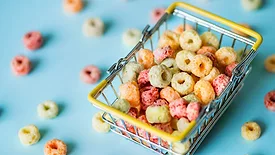
The commitment aligns with FDA’s and Secretary Robert F. Kennedy Jr.’s efforts to facilitate an industry-led, voluntary phase-out of synthetic FD&C-certified food dyes from the U.S. food supply.
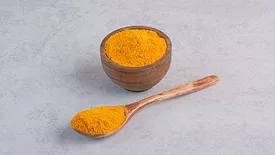
Aligning with the agency’s priority of supporting agency in phasing out synthetic colorants from the food supply, the petitions seek expanded or new uses for gardenia (genipin) blue, safflower extract, and acetone-extracted carrot oil.
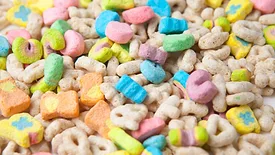
Sprinkles may seem like a minor decorative detail on a birthday cake or holiday cookie, but they sit at the intersection of several fast-moving regulatory concerns: the phaseout of certain FD&C dyes, the clean label movement, allergen management, and GMO transparency.
The action aligns with the wishes of FDA and U.S. Health Secretary RFK Jr. for industry to voluntarily phase out synthetic, petroleum-based dyes from the nation’s food supply.
This episode of Food Safety Five discusses new research linking sorbitol to fatty liver disease, studies suggesting potential health risks associated with both “natural” and artificial color additives, and a major collection of papers examining the health impacts, policy, and marketing practices behind ultra-processed foods (UPFs).
A series of first-of-their-kind, large-scale epidemiological studies have suggested associations between food dyes—both “natural” and artificial—and preservatives, and an increased risk of chronic health conditions like cancer, type 2 diabetes, hypertension, and cardiovascular disease.
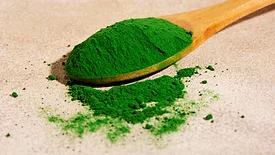
The delays give the agency time to respond to comments made on the final orders approving beetroot red and spirulina extract for use as color additives in human foods. However, FDA stands by its determinations that the colorants are safe for their intended uses.
In this episode of Food Safety Matters, we speak to food regulatory legal expert Kathleen Sanzo, J.D. about the implications of FDA’s voluntary approach to phasing out synthetic food dyes from the U.S. food supply and how food companies can prepare.
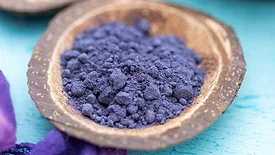
As part of its efforts to encourage industry to phase out the use of petroleum-based synthetic food dyes, FDA is expanding the allowed uses of the label claim “no artificial colors” on food products and has approved a new naturally derived colorant for food.