General Mills Completes Artificial Food Dye Phase-Out for All U.S. Cereals
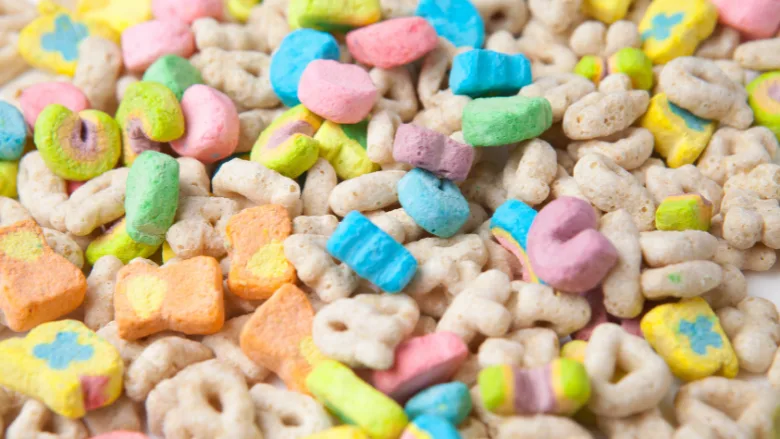
General Mills has announced that it has completed the phase-out of all synthetic food colorants certified under the Federal Food, Drug, and Cosmetic Act (FD&C Act) from its U.S. cereal portfolio, following the company’s removal of all certified colors from all K-12 school foods, which was completed in March 2026.
With U.S. cereals like Lucky Charms and Trix now free from FD&C colorants, 90 percent of General Mills’ U.S. retail portfolio has completed the transition. The company remains on track to remove these artificial dyes from its full U.S. retail portfolio by the end of 2027, including fruit snacks and baking products.
General Mills joins a growing list of firms that have phased out artificial food dyes from some or all of their U.S. product portfolios, including Nestlé USA, Aldi, Walmart, Kraft Heinz, and other companies.
Alignment With FDA Food Dye Phase-Out, State Additive Bans, Consumer Trends
The commitment aligns with the U.S. Food and Drug Administration’s (FDA’s) and U.S. Health Secretary Robert F. Kennedy Jr.’s efforts to facilitate an industry-led, voluntary phase-out of synthetic food dyes from the U.S. food supply. Since the agency announced its interest in removing FD&C colors from the food supply, FDA has, among other actions, approved three petitions for naturally-derived colorants (i.e., galdieria extract blue, butterfly pea flower extract, and calcium phosphate) and expanded the allowed uses of the label claim “no artificial colors” to include foods made with naturally derived colors.
The move also gets ahead of regulatory uncertainty driven by state food additive bans. For example, bills that prohibit or restrict the use of certain colorants in foods (sold statewide or offered at schools) have been passed in California, West Virginia, Arizona, and other states.
Consumer sentiment is also a driving factor behind voluntary industry food dye phase-outs. In a national survey of more than 2,000 adults conducted by Consumer Reports in March 2026, 72 percent of consumers reported being concerned about synthetic dyes in foods and 66 percent said companies should be required to stop using them.
Looking for quick answers on food safety topics?
Try Ask FSM, our new smart AI search tool.
Ask FSM →