FDA Receives Color Additive Petitions for Three ‘Natural’ Food Dyes

The U.S. Food and Drug Administration (FDA) has received three new color additive petitions seeking expanded or new uses for the naturally derived food dyes gardenia blue, safflower extract, and acetone-extracted carrot oil.
First reported by AgencyIQ by POLITICO, FDA posted the three petitions in pre-publication Federal Register notices. Details of the petitions are as follows:
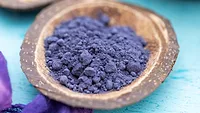
- Gardenia Blue: The petitioner, the Gardenia Blue Interest Group, proposed amendments to FDA’s color additive regulations to expand the use of gardenia (genipin) blue in foods at levels consistent with good manufacturing practice. The petition sought authorization for gardenia blue in a variety of foods, including confectionery products, desserts, beverages, dairy products, snack foods, and chewable tablets. It also proposed lowering the specification for arsenic in the color additive from 2 parts per million (ppm) to 1 ppm. FDA first approved gardenia blue for use in various foods in July 2025 as part of the agency’s effort to expedite the transition from synthetic food dyes to natural alternatives.
- Safflower Extract: Submitted on behalf of GNT USA, the petitions proposed allowing safflower extract as a color additive in foods including beverages, chewing gum, breakfast cereals, desserts, dairy products, candy, salad dressings, and soup broths. Previously, FDA provisionally listed safflower as an exempt color additive for food in 1962, but the authorization was delisted in 1964.
- Acetone Use in Carrot Oil Production: Submitted by the International Association of Color Manufacturers, the petition requested that FDA amend its color additive regulations to permit acetone as a solvent in the production of carrot oil. The petition also proposed adding heavy metal limits and secondary names for carrot oil. Carrot oil is already exempt from certification as a color additive and may be used to color foods generally in amounts consistent with good manufacturing practice. Existing specifications allow carrot oil to contain no more than 25 ppm hexane.
The petitions follow FDA’s announcement in April 2025 that it would support an industry-led, voluntary phase-out of synthetic colorants from the food supply. The agency’s Human Foods Program 2026 priorities also include a focus on expediting the review of new natural color alternatives and continuing to provide industry guidance on their development.
Notable actions FDA has taken in relation to food dyes since April 2025 include the approval of three previous petitions for galdieria extract blue, butterfly pea flower extract, and calcium phosphate; and expansion of the allowed uses of the label claim “no artificial colors” to include foods made with naturally derived colors.
Looking for quick answers on food safety topics?
Try Ask FSM, our new smart AI search tool.
Ask FSM →