Netherlands Set to Ban Ashwagandha
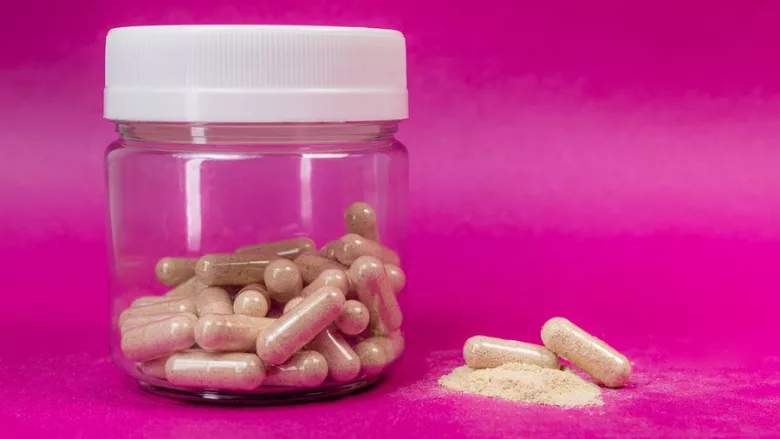
In a meeting with industry members, the Dutch Ministry of Health, Welfare and Sport (WVS) confirmed its intent to ban ashwagandha, an industry source told Food Safety Magazine.
Ashwagandha Uses and Global Legal Status
Ashwagandha is a widely used botanical that is often consumed in its powder form as a dietary supplement or used as a functional ingredient in food and beverages. Often referred to as an “adaptogen,” it is promoted for its purported stress-relieving benefits and as a women’s health aid, potentially relieving menopause symptoms and osteopenia.
Ashwagandha is legal in the U.S., UK, and many other countries around the world, with a notable exception being Denmark, which banned the botanical in 2023 due to its potential negative impacts on hormones and its ability to induce abortion when consumed during pregnancy.
Now, the Netherlands is poised to follow suit with a forthcoming ashwagandha ban.
Dutch Ban Sets ‘Concerning Precedent’ for Food and Ingredients Sector
“The weight of the scientific evidence and dozens of clinical trials clearly demonstrate the safety of ashwagandha,” Kerry Group said. “The proposed ban overlooks the vast body of real-world scientific evidence showcasing its safety and numerous health benefits. It also sets a concerning precedent for the treatment of the wider food and ingredients sector.
Kerry Group cited 15 clinical trials and various preclinical studies that it conducted on its own ashwagandha products, which “identified no adverse effects and no risk factors, including when tested at 19 times our standard dose.” The company said it will be urging WVS to conduct a complete risk assessment.
WVS has not responded to Food Safety Magazine’s requests for comment.
Looking for quick answers on food safety topics?
Try Ask FSM, our new smart AI search tool.
Ask FSM →