NEHA Thrive provides practical leadership tools alongside science-informed strategies for managing stress, burnout, and long-term career sustainability while helping strengthen leadership capacity, improve communication and decision-making, and reinforce resilience.
EFSA has created new online portals where guidances are described and sorted for accessibility and ease of use by scientists, industry applicants, and other stakeholders. Additionally, future guidance documents will be developed following a new, standardized process.
The second edition seeks to bridge the gap between food safety culture in theory and in practice by equipping the global food industry with a multidimensional model that can be used to transform cultural intention into consistent, measurable food safety performance.
Marking the first time an SQF Code is introduced as a fully digital experience, the newly released Edition 10 is designed to strengthen audit credibility, reinforce food safety culture, and provide clearer signals around risk.
WHO has released a set of updated manuals to help national authorities strengthen foodborne illness outbreak surveillance and response, contributing to faster and more reliable communication and response internationally (i.e., through INFOSAN).
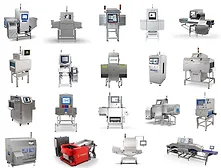
The resource explores industry-specific challenges, key quality control functions, the best inspection solution for different applications and insertion points, and the role of inspection data.
The UK-based Chilled Food Association (CFA) has produced an industry-led good practice guidance for manufacturers and retailers of ready-to-eat (RTE) foods that may support the growth of Listeria monocytogenes to support compliance with UK and EU regulations on the microbiological criteria for foods.
The European Commission recently published a dashboard that maps all food fraud cases covered in the Joint Research Center (JRC’s) monthly food fraud reports since 2016, including more than 2,000 cases and counting.
The Cornell College of Agriculture and Life Sciences (CALS) Food Safety Laboratory has developed the Salmonella Serovar Wiki—a web resource for global food safety professionals to rapidly access information about a given Salmonella serovar.