Congress Oversight Committee Probes Taylor Farms’ Alleged Attempts to Influence FDA’s Cyclospora Outbreak Investigation
U.S. Representative Robert Garcia, Democratic Ranking Member on the U.S. House Committee on Oversight and Government Reform, has demanded answers from Taylor Farms about its response to the ongoing multistate Cyclospora outbreak, requesting documents related to the company's communications with federal agencies and internal discussions about the outbreak, as well as its food safety practices at its Mexico processing facilities.
Alleged Attempts to Influence White House, FDA
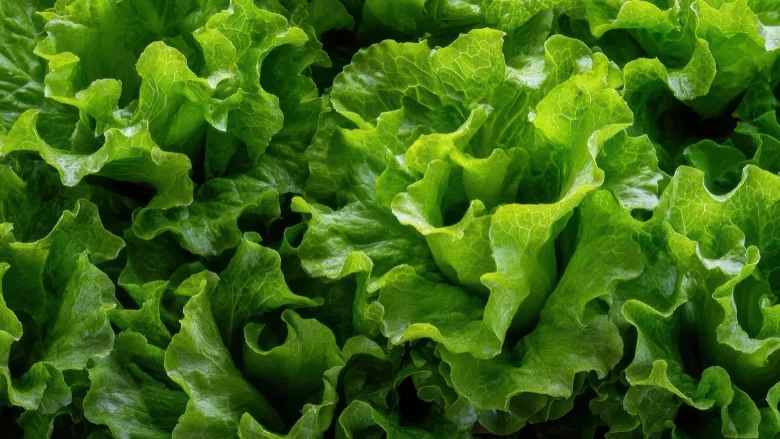
In a July 27 letter to Taylor Farms CEO Bruce Taylor, Rep. Garcia alleged that the company may have attempted to influence the U.S. Food and Drug Administration's (FDA's) outbreak investigation and misled consumers about the scope of the recall. The letter cites media reports alleging that Taylor Farms executives met privately with White House and FDA officials, attempting to “distance the company from the outbreak and cast doubt on the officials’ conclusion,” before the company initiated its July 17 voluntary recall of shredded iceberg lettuce and certain salad kits.
The letter also called into question Taylor Farms’ donations to political action committees (PACs) tied to President Donald Trump and lobbying related to food safety legislation, pointing out that a $1 million donation to a Trump super PAC occurred one week before the Administration delayed FDA’s Food Traceability Rule. If not delayed, the rule would have gone into effect in January 2026, making it easier to trace contaminated foods implicated in foodborne illness outbreaks and more swiftly remove them from the market.
‘Contradictory and Confusing’ Public Statements
Additionally, Rep. Garcia admonished Taylor Farms' “contradictory and confusing” public statements, which “appear to be deliberately worded to make customers think recalled products are safe.” For example, following FDA's retraction of a positive Cyclospora test result, Taylor Farms issued a now-taken-down statement, saying that FDA “apologized” to Taylor Farms for the false positive (a claim which FDA denies). Taylor Farms is also publicly stating that “FDA has not identified a single positive product test result for Cyclospora,” ignoring that FDA continues to consider Taylor Farms lettuce as the source of the outbreak based on “overwhelming” epidemiological evidence.
Calls for a Clear, Complete Distribution List
The letter also requested records related to sanitary conditions, quality control, and contamination at Taylor Farms of Mexico facilities dating back to 2013, as well as a complete list of retailers and restaurants that received recalled products.
“Grocery shoppers are frustrated and confused by your company’s decision not to publish a full, clear, and detailed list of impacted grocery stores and restaurants,” Rep. Garcia wrote. “The Trump Administration has told customers not to eat shredded lettuce at Taco Bell, yet the scope of your recall and decisions by major food suppliers like Sysco to pull a significant portion of your iceberg lettuce from distribution—apparently at your request—indicate that more products could be contaminated than the Trump Administration is telling the public.”
Rep. Garcia requested the documents and written responses by August 10.
Looking for quick answers on food safety topics?
Try Ask FSM, our new smart AI search tool.
Ask FSM →
Thousands Sickened in Cyclospora Outbreak
The congressional inquiry comes as the outbreak continues to grow. On July 24, FDA announced that the outbreak had expanded from five to nine states based on epidemiological data collected by the U.S. Centers for Disease Control and Prevention (CDC). At that time, CDC had identified at least 1,947 people infected with Cyclospora cayetanensis who reported eating at Taco Bell (to which Taylor Farms was a supplier) locations in Michigan, Ohio, Illinois, Indiana, Oklahoma, Kansas, Kentucky, Pennsylvania, and West Virginia. At least 98 people have been hospitalized.
State public health officials are reporting cases much more rapidly—with significantly higher case counts—than CDC. As of July 28, Michigan and Northwest Ohio alone report 9,253 and 2,689 cases, respectively. (State case counts are higher than CDC’s because states may be reporting both probable and confirmed cases, and there is also a lag between the time a state receives notice of a case and when CDC confirms cases reported by states as domestically acquired and connected to the outbreak).
Update, August 4, 2026: Senator Richard Blumenthal (D-CT), the ranking member of the Senate Permanent Subcommittee on Investigations, has sent letters to both FDA and Taylor Farms related to the ongoing Cyclospora outbreak and FDA's response to it. The letters request records related to communications between Taylor Farms, FDA, and the White House, along with documents detailing the company's food safety practices and the agency's handling of the outbreak investigation. Blumenthal also raised questions about whether cuts to federal food safety staffing, surveillance, and program resources have hindered the government's response, citing reports that Taylor Farms appealed to the White House while FDA's investigation was underway.