 RSS
RSS
.webp?height=168&t=1691503719&width=275 "FoodSafetyMattersFinal-900x550-(002).jpg")
Food Safety Top Stories


Why Middle Managers Hold the Key to Food Safety
This overlooked sub-group plays a large part in determining culture, execution, and risk performance
Read More




Food Innovation: An Introduction to Precision Fermentation
The biotechnology behind precision fermentation is likely to become increasingly important in food manufacturing
Read More

Leveraging AI for Food Safety Without Becoming its Victim
For food companies, the best information to develop insight may already be at your fingertips
Read More


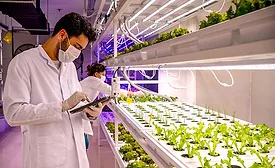
Improving the Safety of Hydroponic Crops: Evaluation of Strategies to Mitigate Human Pathogens in Hydroponic Production
Several key opportunities exist to strengthen research and develop system-specific and effective food safety strategies for hydroponics
Read More

The Connection Between Psychosocial Factors and Food Safety Outcomes
A 2025 Food Safety Summit workshop explored how psychosocial factors are considered in different organizations' food safety systems
Read More
The High Costs of Saving Money: How Overzealous Capital Controls Undermine Food Safety, Worker Safety, and Plant Performance
Delaying capital that mitigates known hazards is not just bad for margins; it is regulatory risk
Read More
Bioaerosol Monitoring for Food Processors
Both air sampling and air monitoring are necessary to understand the dynamics of bioaerosols of concern
Read More