This Regional Culture article series will examine the differences and features that prevail and render each global region unique with regard to food safety culture. Ultimately, the goal is to foster understanding and enable better communicate and management of food safety culture.
Supply chain is critical to any food safety program. Having full control and traceability of raw materials and end products is no longer an option, but rather a requirement. In the past two years, the pandemic has exposed new weaknesses and made visible the business risks posed by an unstable supply chain.
The food system faces challenges on a global scale, including mitigating food waste, rising food supply chain and safety issues, and building the capacity to feed nearly 10 billion people by the year 2050. To ensure a more sustainable future, our next generation of leaders will need to work more collaboratively across the entire food system to drive impactful change.
In the first part of this survey (“Foodborne Parasites: An Insidious Threat to Food Safety and Public Health”), we looked in depth at common pathogenic parasites behind foodborne illness outbreaks and assessed the extensive geography of their origin and prevalence. In this concluding part, we look in detail at industry and regulators’ approaches to preventive control and eradication in response to this expansive threat to the global food supply system and its consumers.
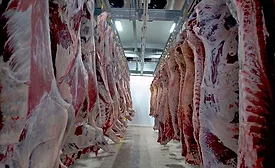
When determining the shelf life of meat products, it is important to consider how the growth of both spoilage organisms and pathogenic bacteria can be prevented, while at the same time keeping a keen eye on the sensory quality of the product.
It can be challenging to maintain good working relationships with federal regulators when things are going well, but how do you leverage your best efforts during an inspection/audit especially when there are issues? Let's address how handling the inspection itself can be your most important asset, along with a fundamental understanding of the science and regulations that are in play.
Food companies need to embrace a change in their culture to one of collaboration with their internal colleagues and their equipment and infrastructure supply chain. Public health can only be maintained with safe food, and a culture of hygienic design helps deliver it in a responsible way.
To improve food safety and reduce the risk of foodborne illness related to meal kits, it is important to evaluate operations with a farm-to-fork lens, ensuring not just the safety of the meal kit itself but also promoting proper handling and preparation by the customer.
Many food companies have made commitments to increase the use of recycled plastics in their packaging within the next 10 years. As this demand increases, there is more interest in chemical recycling, but first, we must understand current reprocessing capabilities and possible safety issues with the use of chemical recycled plastics in food packaging.
The launch of this meat research and discovery program will drive innovations beyond conventional meat processing and will streamline the tracking of foodborne pathogens throughout the meat production chain and evaluations of the efficacy of intervention measures.