As the focus on per- and polyfluoroalkyl substances (PFAS) intensifies, multiple states and some U.S. federal agencies are implementing or considering implementation of restrictions or bans on the products use in food contact articles. This article focuses on the restrictions and bans in the U.S. that impact the use of PFAS in food packaging, and includes a discussion of the challenges manufacturers face due to inconsistent science and policy decision related to the use of these chemicals in food packaging.
A Hazard Analysis and Critical Control Points (HACCP)-based program is not a document that is simply written and forgotten. Changes occur over time, and a company's food safety and HACCP plans must adapt to reflect these ongoing changes and any new information. This is where reanalysis comes in. Reanalysis is a critical component of the verification principle, where the plan is reviewed to ensure that it is accurate and applicable and that it reflects change and improved understanding.
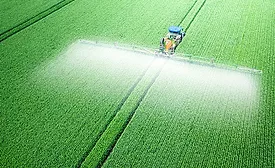
This article covers U.S. regulatory oversight in establishing pesticide residue tolerances, testing for residues in domestic goods and imports, and the importance of science-based standards for global trade and food safety.
During foodborne illness outbreak investigations, public health and regulatory authorities collect three types of data to determine a common food consumed by ill people: epidemiologic, traceback, and laboratory. State and local partners work with FDA to conduct traceback investigations and examine the food supply chain to determine the origin of the foods identified by the epidemiologic investigations. This article looks at the benefits of using incident command system (ICS) principles during emergency response coordination activities for foodborne illness outbreaks, with input from members of the FDA's CORE Network.
The meat and poultry industries are an interesting mix of conservative practices and innovation. This article examines five topics and their implications to protein food, including meat safety as a model for the produce industry; increased interest in Salmonella and Listeria; USDA proposed rulemaking for meat and poultry; the move toward aggregated sampling; and developing safety needs for tissue-cultivated products.
The dairy industry has seen many regulatory changes, including the incorporation of the FSMA Preventive Controls Rule within the Pasteurized Milk Ordinance
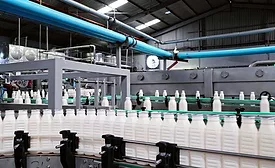
Many of the techniques used in creating a HACCP plan are shared with other types of plans, such as food quality and food defense plans. This article discusses regulatory changes in the dairy industry through the years, including the Grade "A" Pasteurized Milk Ordinance (PMO), the National Conference on Interstate Milk Shippers Dairy HACCP Pilot Program, and the incorporation of the Food Safety Modernization Act Preventive Controls Rule within the PMO.
The Peanut and Tree Nut Processors Association's Industry Handbook for Safe Processing of Nuts is an industry-wide reference tool for training, development, and operations in any facility that handles nuts at any point in the supply chain. The latest edition includes an update to theFood Fraud section and the addition of two new sections: Food Safety Cultureand Traceability.
The COVID-19 pandemic has begun to ease, but supply chain challenges have not. This article examines these ongoing supply chain challenges, what we can expect of the supply chain in the future, and guidance for how to respond to these disruptions.
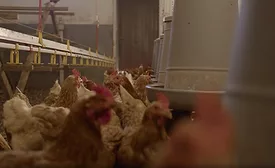
To understand and eventually reduce the risk of salmonellosis from poultry meat, it is necessary to understand the poultry production system, the introduction of the microorganism into the poultry ecosystem (as well as its gastrointestinal tract), the sources of Salmonella during production, and, subsequently, strategies to control or reduce the risk from this microorganism at both the pre-and post-harvest stages. Part 2 of this article series examines pre-harvest controls during grow-out.
Since e-commerce food businesses are not regulated as traditional food manufacturers based on the current Code of Federal Regulations, these models are regulated under the "honor system." The way in which consumers are buying food has changed dramatically, and so must the regulations to ensure public health and safety associated with these foods.
 RSS
RSS