 RSS
RSS

Food Safety Top Stories

Revisiting the Safety of Fresh Produce from Field to Fork
Pathogen contamination and mitigation strategies for sprouts and cucumbers are critically reviewed
Read More

Assessing Food Safety Competence: Meeting Certification Expectations through On-Floor Capability Building
Food safety is no longer just about compliance—it is a strategic, business-wide responsibility that empowers employees to protect consumers and their brand
Read More
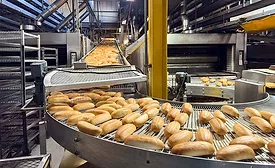
Critical Implications of Hygienic Zoning for Food and Beverage Processing
Hygienic zoning is the invisible map of barriers and boundaries that help prevent contaminants from entering food products
Read More

What Food Safety KPIs Say About Food Safety Culture—Part 2
While food safety culture is more than metrics, measurable performance indicators that drive accountability and continuous improvement are still an essential part of a food safety program
Read More




Closing the Transparency Gap: FSQA Strategies for Navigating Natural Flavor and Color Regulations
An action plan to validate "natural" claims, maintain supplier transparency, and minimize litigation risk by interpreting changing requirements
Read More

Sanitation Controls Practitioner Program: A Comprehensive Guide to Mastering Food Safety
The Sanitation Controls Practitioner Program empowers food producers to refine their sanitation practices to withstand even the strictest audits and inspections
Read More

In Dry Environments, Wet Sanitation Isn't the Answer—It's the Issue
Despite the appeal of water as a "more thorough" sanitation method, moisture behaves very differently in dry facilities than may be expected
Read More

Natural Colors and the Evolving Food Safety Landscape: Practical Guidance for a Successful Transition
Moving from synthetic to natural colors requires companies to take a structured approach
Read More