Hygienic Design: How are Processors Coping With This Essential Element of Food Safety?
Hygienic design of both equipment and processing facilities is important for the consistent production of safe food
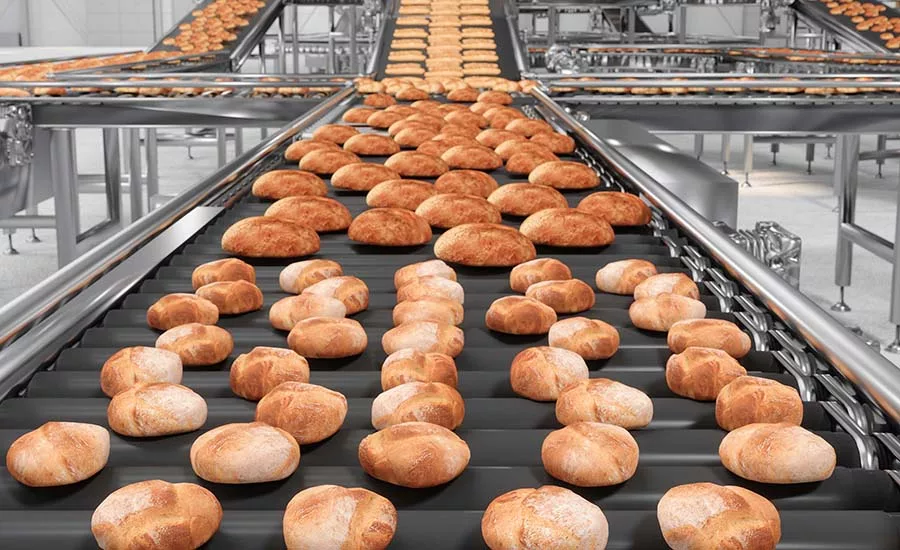
The hygienic design, sanitation, and maintenance of food processing equipment and the surrounding production facilities are of paramount importance for an effective food safety sanitation program.
It is safe to say that any reader of Food Safety Magazine understands the importance of hygienic design of both equipment and processing facilities to the ability of food processing companies to produce safe food consistently. The design and construction of processing equipment, including how the equipment works, how easy it is to clean, how easy it is to maintain, and the materials from which it is made, all contribute to its effectiveness.
It is optimistic to think that every processing plant is equipped with the most modern equipment, characterized by ideal hygienic design considerations, and that this equipment is installed in modern production plants with ideal considerations for a hygienic environment. Most in industry are aware that the truth can be very different, and everyone in food production that is responsible for food safety faces considerable obstacles in obtaining and maintaining the best equipment in the best environment.
So, what are those obstacles, and how are food safety professionals dealing with those issues? We asked that question and others in a survey we conducted in January and February of this year. In this Food Safety Insights column, we hear from more than 118 food processors in 23 countries about their biggest issues with the sanitary design of the equipment they use, the building and spaces in which the equipment is installed, and the challenges they face in the maintenance and upkeep of that equipment and their processing environments.
Challenges Processors Face in Hygienic Design
One of the first questions that we asked was, "What are the top 1–3 issues you face in hygienic design of your plant or processing equipment?" (Figure 1).
We heard many responses about the design features of the processing equipment used, but the most common, specific complaint was about the equipment's accessibility and ease of assembly/disassembly for cleaning. One inspector, who is in a position to see many different facilities, commented, "Overall, much of the food processing equipment I see is very poorly designed. It is usually difficult to disassemble and reassemble, and contains dead ends and unsanitary threads. I wish food processing equipment had adopted the same design standards as dairy equipment."
A sanitation manager at a baked goods company echoed these comments when he mentioned, "Areas on some equipment are difficult, if not impossible, to access for proper cleaning. Plastic belting is hard to remove for access to the frame. Some of the pumps are not designed to be disassembled completely to allow for proper cleaning."
Looking for quick answers on food safety topics?
Try Ask FSM, our new smart AI search tool.
Ask FSM →
Many respondents also mentioned the specific issue of poorly designed seams in the metal construction of their equipment that allow for harborage spaces where bacteria, grease, and food residue can hide. These are not only a problem with the initial design of the equipment; they also present a challenge for finding highly skilled maintenance personnel who can properly fix them. Poorly welded repairs that only sustain the problem—or potentially make it worse—are not ideal. As one director of quality at a sauce manufacturer emphatically replied when asked about his biggest problem, "Sanitary welds!!!!! Sanitary welds!!!!! SANITARY WELDS!!!! Overhead pipes and fixtures, cracks, crevasses, and undersides. Did I mention sanitary welds?!?!?"
Equipment Age: Another Challenging Factor
Another aspect of equipment that was frequently mentioned in survey responses was the age of the equipment that many food processors use. Several mentioned that they are using decades-old equipment that was designed and built before many modern hygienic design features were included. However, they are in a position where they need to continue to use that equipment, and do what they can to maintain it, primarily for cost reasons.
Summarizing several of the comments, many mentioned that they are using older equipment with seams, cracks, crevices, and exposed threads that would not be present in more modern equipment. Others cited pipes with dead ends or difficult bends that trap food and make cleaning impossible. They continue to use this equipment because (as the most cited answer showed) modern, hygienically designed equipment is expensive, and funds are "hard to come by" to upgrade to new equipment.
Of course, processing equipment does not operate in a vacuum, and the hygienic design of the plant building itself was also cited as a major headache for many of these managers. One mentioned, "Our building is almost 100 years old. It proves to make some things much more difficult." Another added, "Our facility was not originally designed for food production. We don't have the money to update the facility, so we have to constantly do half-measures to try to split the difference between perfection and conformance."
Problems With Older/Retrofit Buildings
What are some of the specific issues with older or retrofit buildings? Some respondents mentioned having an older building with many problematic niches or harborage points. One manager mentioned that his facility has floors constructed of dairy brick that need to be constantly replaced. Many mentioned facility changes or construction projects that were completed without consideration for food safety or sanitation needs. We heard many comments indicating that processors work with equipment that was originally installed in the plant and then blocked in by the installation of other equipment or building renovations; the original equipment cannot be moved or easily accessed for cleaning. A quality manager at a beverage company mentioned that her facility has pipes and conveyors that run through the walls to a more recently constructed addition to the facility, but these wall penetrations make accessing and cleaning the equipment very difficult.
Another interesting example of an issue with facility design was described by a quality manager at a small food manufacturer. She mentioned that they have a very good pest control program, but unfortunately, being a smaller company, they are located in a portion of a building that shares a common wall with another manufacturer. This neighboring manufacturer does not use the same diligence in its pest control program, making it difficult for the smaller company's quality manager to have full control over the effectiveness of her pest program. She did mention, however, that her company is growing fast and is looking forward to soon being able to move to a newer, better-designed, standalone processing facility.
Difficulties With Hiring Skilled Workers
We also heard numerous comments pointing to employee diligence with sanitation and equipment maintenance as a challenge. Many mentioned that in situations where equipment is difficult to clean—especially if the equipment needs to be disassembled for cleaning or if parts are difficult to access or reach—it can be difficult to get employees to make a suitable effort to do the work correctly. "Employees just don't want to do the work" was a common complaint.
As with what we heard about welding and sanitary welds, we heard similar comments about finding experienced employees who can repair and maintain equipment, making proper equipment maintenance a challenge (Figure 2).
It is here where the issues of hygienic equipment and facility design intersect with the need for a strong focus on food safety culture. In one interview, I discussed with a quality director his ability to hire and retain employees. As mentioned above, not having enough people (or the right people) can severely hinder the effectiveness of any food safety program.
The quality director said, "Hiring isn't necessarily the problem, as we have no shortage of applicants, and we can quickly fill a vacant role. But finding the right person with the ideal skill set is a different story." He added, "I believe I've identified the root cause in our case. Sanitation positions are generally considered 'entry-level' and don't typically require prior experience, higher education, certifications, or technical skills. While a lead or supervisor position may have minimum qualifications, usually only one person on the team holds that role. This means that almost all sanitation applicants qualify by default. The root cause lies in HR's [the Human Resources department's] responsibility for hiring. Since HR personnel likely haven't worked in sanitation, they don't fully understand how to identify the right candidates. They see a job description with no minimum qualifications and base their decision on surface-level factors like punctuality, availability, and willingness to work. However, the role requires a deeper assessment of the candidate's character, personality, and demeanor—including attention to detail, ability to stay on task, and a professional attitude—which HR may not be equipped or trained to evaluate."
I found this comment illuminating. The quality manager clearly identified and articulated his challenges in hiring sanitation personnel. Using older equipment or repurposing equipment without suitable, modern, sanitary design elements—without an adequate understanding of the risks—can introduce food safety problems. If facility engineers do not understand these risks, then they can introduce additional food safety issues during facility renovations. Likewise, an HR program that puts individuals in jobs without recognizing the impact of poor skills matches can lead to food safety risk.
In their defense, however, the HR managers in this illustration do not recognize that they are making a mistake; that responsibility falls on the shoulders of the senior management for not instilling a more effective food safety culture. This example is a good illustration of how everyone in every department has a responsibility for food safety. A company with a strong food safety culture will be better equipped to recognize and avoid many of the issues called out by processors in our survey.
In the next Food Safety Insights column, we will present more data from this survey about the sanitation programs themselves and the issues they present.
Bob Ferguson is President of Strategic Consulting Inc. and can be reached at bobferguson9806@gmail.com or on X/Twitter at @SCI_Ferguson.