Dynamics of Water Quality for Food and Beverage Processing
Water interacts with various food components at a molecular level, which can alter the food composition and properties
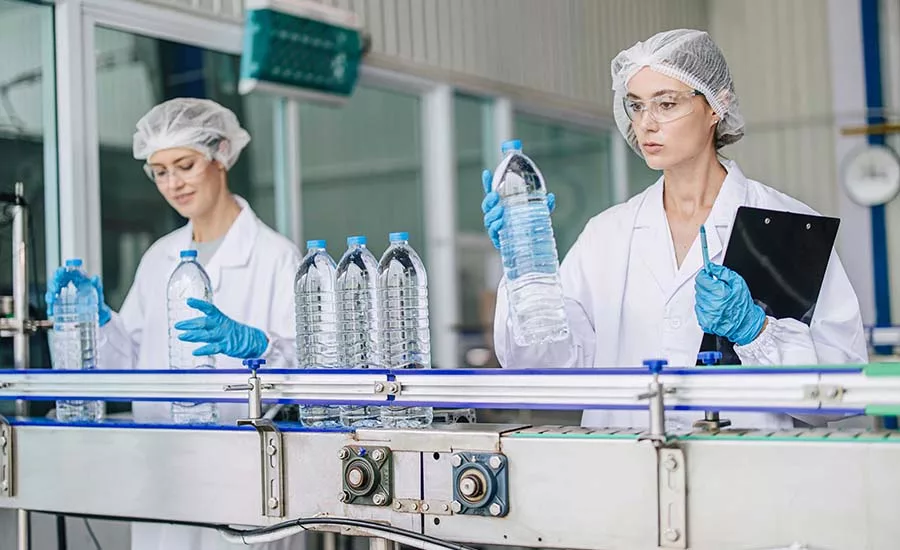
Elevating your food and beverage quality to irresistible heights is a purposeful journey toward excellence to ensure that your customers keep coming back for more. In the context of this discussion, this article dives into the dynamics of water quality for enhancing your food and beverage quality while conforming to the required safety standards. Water quality must also contribute to hassle-free and sustainable processing plant operations, irrespective of whether the business is water-intensive (e.g. beverage, dairy, meat) or low-moisture (e.g. bakery, grain milling).
Uses and Applications of Water for Food and Beverage Processing
Water applications within a food and beverage processing plant can include:
- For cleaning and sanitation
- As an ingredient in the end product
- For bottled water production
- For sanitary steam production
- As a processing aid
- For plant operations (refrigeration, heating, etc.).
Water used for cleaning and sanitation purposes can act as a solvent, diluent, carrying agent (for circulation in place systems), dispersant, or a heat disinfectant (hot water).
When water is used as a food ingredient and/or for bottled water production, its quality can directly affect the properties of the end product, which includes appearance/clarity, flavor, aroma, degree of freshness, texture, shelf life/shelf stability, and other properties.
Water for sanitary steam (boiler feed water) can be used for direct incorporation into the product, or it can come into contact with the product contact surface (e.g., a steam-in-place application for steam sterilization in dairy plants).
As a processing aid, water may be used for several applications including rinsing, immersion, refreshing, soaking, sprouting, dissolving, conveying, dispersing, cooling, blanching, blanketing, spraying, brewing, fermentation, cooking, and others.
The focus of interest in the scope of this discussion is water that is used for product or product contact surface applications. The water may be used in any form—solid, liquid, or gas/steam.
Contaminants in Water and Water Sources
The contaminants in water ultimately affecting food quality and safety are largely physical, chemical, and microbiological:
- Physical: Sand, silt, sediment, clay, plankton, etc.
- Chemical: Pesticide residues, heavy metals, persistent organic pollutants (POPs), industrial chemicals, hardness/scale minerals, radionuclides, etc.
- Microbiological: Pathogens including bacteria, viruses, fungi, protozoans, parasites, algae, etc. These microbes can occur freely in the water, or as colonies (biofilms) attached to a surface in contact with water or liquids.
It is common for food processors to use drinking water quality standards for food handling processes, especially where required by local regulations. Drinking water may be sourced from treated municipal supplies or from private suppliers. Untreated water may originate from surface waters (rivers, lakes, streams, etc.), underground waters (wells, springs, aquifers, etc.), rain, or the sea.
Looking for quick answers on food safety topics?
Try Ask FSM, our new smart AI search tool.
Ask FSM →
The presence of contaminants in the water is affected by the water source, geology, seasonal variation, exposure to environmental pollutants (e.g., agricultural runoff or sewage), distribution and transportation, storage, and the possibility of cross-contamination before use.
Water Quality Standards for Food Processing
Water quality is determined by comparing samples against a reference standard to claim compliance for its intended use, and is based on the water's physical, chemical, and microbiological characteristics. The quality of the water is based on the type and the quantity of the contaminants. Water treatment processes must be designed, where required, to provide water meeting the mandated quality and safety standards after considering its sources; contaminant types; onsite storage, distribution methods, and handling; operational needs; and the product requirements.
Drinking Water Standards
In the U.S., the Safe Drinking Water Act (SDWA)1 authorizes the Environmental Protection Agency (EPA) to issue two types of standards for all public water systems:
- Primary standards regulate "maximum contaminant levels" for over 90 contaminants that affect human health and are enforceable (e.g., microorganisms, disinfection byproducts, inorganic chemicals, organic chemicals, and radionuclides)
- Secondary standards regulate 15 "secondary maximum contaminant levels" that affect aesthetic (taste, odor, color) and technical (corrosion, scaling, sediment) considerations and are non-enforceable.
Both primary and secondary public water quality standards can impact carryover into the product, leading to quality and safety concerns of the end product. A significant step worth mentioning is the Final PFAS National Primary Drinking Water Regulation, established on April 10, 2024 to protect consumers from exposure to per- and polyfluoroalkyl substances (PFAS).2
Packaged/Bottled Water
The U.S. Food and Drug Administration (FDA) establishes limits for contaminants in bottled water.3
Packaged Ice
Packaged ice sold for human consumption or as a cooling medium for food is considered a food by FDA. Ice may be sold as cubes, nuggets, crushed, or shavings. It must be produced from drinking water that complies with applicable local regulations (e.g., EPA drinking water standards) as well as applicable FDA Food Code guidelines.4
Seawater
In some cases, clean seawater is permissible for use in operations such as fish and seafood washing, including depuration, when the pathogen and contaminant levels do not affect the safety of the product.
Depuration of bivalve molluscan shellfish from approved harvesting areas that are intended for raw consumption involves placing the shellfish in tanks of clean seawater and allowing them to resume their normal pumping activity over a specified period of time. The shellfish will purge microbial contaminants in the water during this time. Depuration processors must continuously treat the seawater with a disinfection system (e.g., UV light) that is approved by the relevant authority. The process must not leave any unacceptable residue inside the shellstock and no detectable coliforms in the tank input water. The depuration process must comply with the U.S. National Shellfish Sanitation Program (NSSP).5
Reused Water
In an age where industry must embrace sustainability goals, the reuse of water is permissible as long as the water that is recirculated or recovered from processing operations (e.g., evaporation and/or filtration) is treated, if necessary, to ensure product safety.
According to the Food and Agricultural Organization of the United Nations' (FAO's) guidance, "The General Principles of Food Hygiene," water, including ice and steam, should be fit for its intended purpose based on a risk-based approach and should not contaminate food. Additionally, water that is not fit for use in contact with food or food contact surfaces (e.g., water used for fire control and for steam that will not directly contact food) should have a separate, clearly labeled system that does not connect with or allow reflux into the system for water that will contact food.6
Water for cleaning or applications where there is a risk of indirect food contact (e.g., jacketed vessels, heat exchangers) must meet specified quality and microbiological requirements relevant to the application.6
Relationship of Water Quality and Microbial Biofilms to Product Quality and Safety
Organic matter, corrosion, and scale-forming minerals settle on surfaces in contact with water/liquids as a thin layer called "conditioning film," which enables the development of biofilms. Water chemistry plays a key role in biofilm development, in addition to factors like surface composition, roughness, dead legs in plumbing, etc.
Biofilms are a self-sustaining ecosystem for the growth of various microorganisms that exhibit an increased resistance to disinfection/circulation in-place treatments, since they are protected within a gluey matrix of extracellular material. Biofilms are notorious for housing pathogens, such as Listeria, E. coli, Salmonella, etc., and can encourage the steady release of these pathogens into the water/product stream, leading to product contamination with health and legal repercussions.
Impact of Water Quality Characteristics on Product Quality
The significance of microbiological water quality is recognized in contributing to pathogen introduction. However, a shift in microbial food interactions (e.g., fermentation) and increased microbial load may compromise product shelf life, thereby undermining the role of chemical water parameters in product quality.
Water pH, mineral content, and hardness are the key parameters that palpably impact product quality. Small variations in pH are considered significant for food quality, as they can impact product flavor, consistency, texture, color, shelf life, and other parameters. The difference between a pH of 5 and a pH of 4 represents a ten-fold increase in acid concentration, necessitating the monitoring and control of pH.
Water interacts with various food components at a molecular level, which can alter the food composition and properties. Food components that are water-soluble, like carbohydrates, proteins, and some vitamins and minerals, can leach into the water. Some starches will develop a gummy texture, whereas dough will have altered rheological properties, leading to a change in the gluten structure. Nitrates in water will impact odor and enhance the corrosion of metallic surfaces. Organic contaminants interfere with the carbonation of beverages, as well as the "spouting" effect when carbonated beverages are opened. Heavy metals like iron, copper, and manganese will cause deterioration of color, flavor, and aroma and can promote oxidative rancidity of food. Table 1 contains more details on the impact of water quality on food characteristics.
Water Treatment for Combating Common Water Contaminants
To have a better understanding of the existence of contaminants for the purpose of water quality measurement and identification of appropriate treatment methodologies, the terms outlined in Table 2 are significant.
Water treatment methodologies follow the structure and sequence below to ensure that water meets the food processing requirements. The choice of methodologies employed must consider the initial water source (municipal or raw untreated water), water quality (input and output water), product quality, safety requirements, available infrastructure, and local regulations. Table 3 shares guidance to ensure that treated water is fit for its intended purpose.
The water treatment program is not a "one-size-fits-all" formula; rather, it is unique to the industry sector's needs and challenges. Companies should consult a credible water treatment expert to determine the best course of action for suitability and sustained operational quality.
Water Quality: Sampling, Measurement, and Analysis
Water quality monitoring for physical, chemical, and microbiological parameters must meet local regulations, industry best practices, and operational needs depending on the food produced, the water source used, the treatment methodology utilized, and the health risk that could occur in the event of noncompliance. A risk-based approach to sampling, measurement, and analysis must be considered to make water quality adequate and suitable.
The latest EPA criteria for food processing businesses must be met. The World Health Organization (WHO) also defines criteria for drinking water quality guidelines, as applicable.7 Additional industry-specific standards are also available and may apply.
Key water parameters within a defined sampling program are shown in Table 4.
Takeaway
Water must be considered as a food and/or food component, depending on its use. Hence, it is appropriate for the food sector to manage water quality and safety aspects under the existing quality and/or food safety management system framework to ensure product quality and safety for the consumer.
References
- U.S. Environmental Protection Agency (EPA). "Safe Drinking Water Act (SDWA)." https://www.epa.gov/sdwa.
- EPA. "Per- and Polyfluoroalkyl Substances (PFAS): Final PFAS National Primary Drinking Water Regulation." April 10, 2024. https://www.epa.gov/sdwa/and-polyfluoroalkyl-substances-pfas.
- U.S. Food and Drug Administration (FDA). Code of Federal Regulations Part 165, Subpart B. Sec. 165.110: "Bottled Water." https://www.ecfr.gov/current/title-21/chapter-I/subchapter-B/part-165/subpart-B/section-165.110.
- FDA. Food Code. https://www.fda.gov/food/retail-food-protection/fda-food-code.
- FDA. "National Shellfish Sanitation Program (NSSP)." https://www.fda.gov/food/federal-state-local-tribal-and-territorial-cooperative-human-food-programs/national-shellfish-sanitation-program-nssp.
- Codex Alimentarius. "General Principles of Food Hygiene: CXC 1-1969." https://www.fao.org/fao-who-codexalimentarius/sh-proxy/it/?lnk=1&url=https%253A%252F%252Fworkspace.fao.org%252Fsites%252Fcodex%252FStandards%252FCXC%2B1-1969%252FCXC_001e.pdf.
- World Health Organization (WHO). "Water Sanitation and Health: Drinking-Water Quality Guidelines." https://www.who.int/teams/environment-climate-change-and-health/water-sanitation-and-health/water-safety-and-quality/drinking-water-quality-guidelines.
Nina Da Costa, I.Dip.NEBOSH is an independent food safety consultant and life protection enthusiast. Food and water safety are her key technical domains, apart from other aspects of quality, health and safety, and sustainability. Nina is an accomplished industry consultant, auditor, tutor, speaker, and author who enjoys collaborating with professionals and engaging teams to deliver turnkey solutions that are customized, sustainable and profitable.







.webp?t=1721343192 "9781032369990 (1).webp")