EU Increases Import Controls for the Ingredient Behind Global Infant Formula Recall
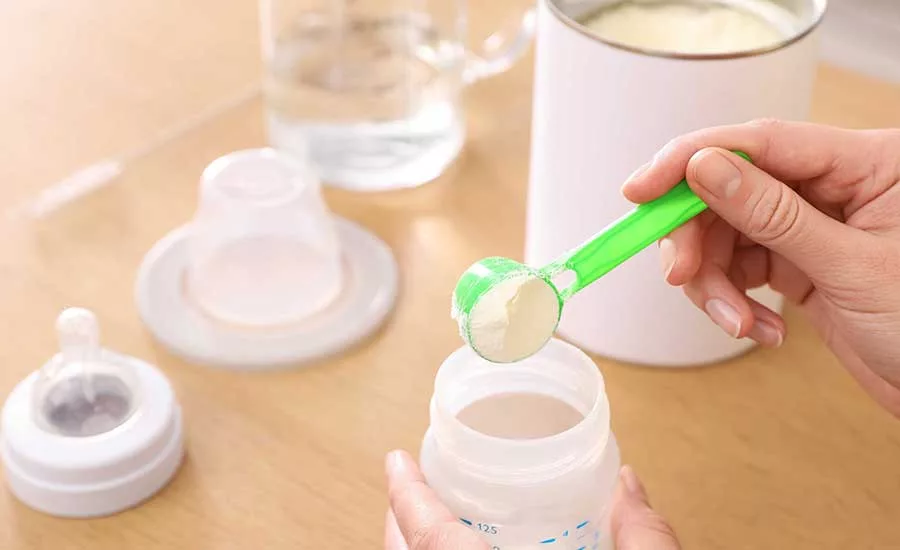
The European Commission has adopted increased controls on imports of arachidonic acid oil (AHA oil) from China used in the manufacture of infant formula, according to a statement from the EU Directorate-General for Health and Food Safety (DG SANTE).
The decision was made in response to the global recall of infant formula involving brands like Nestlé, Danone, Lactalis Nutrition Santé, and others, due to potential cereulide contamination. The source of contamination was determined to be AHA oil from a Chinese supplier, which was identified as Cabio Biotech by Chinese media outlet YiCai Global. EU authorities confirmed the presence of the toxin in the Chinese AHA oil.
Beginning February 26, imports of AHA oil from China must be presented to EU Border Control Posts with laboratory reports and official certificates issued by Chinese officials stating that the results of sampling and analyses demonstrate the absence of cereulide toxin. Additionally, Chinese AHA oil consignments will be subject to physical and identity checks at an increased frequency of 50 percent.
Risk of Exposure to Cereulide-Contaminated Formula is Low
Cereulide is a toxin produced by the bacteria Bacillus cereus that can cause sudden nausea, vomiting, and stomach pain 30 minutes to six hours after ingestion.
Earlier in February, the European Food Safety Authority (EFSA) and the European Centers for Disease Control and Prevention (ECDC) concluded that exposure to cereulide from infant formula is low. Several European countries have reported cases under investigation involving infants with gastrointestinal symptoms who had consumed infant formula products. Most of these cases were mild, although some hospitalizations due to dehydration were reported. Identifying and confirming cases of cereulide poisoning remain a challenge.
EFSA also established an acute reference dose (ARfD) for cereulide in infants and determined concentrations of the toxin in infant formula that pose a potential safety concern.
Looking for quick answers on food safety topics?
Try Ask FSM, our new smart AI search tool.
Ask FSM →