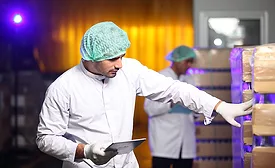
By integrating regulatory mandates with strong internal controls and industry best practices, spice manufacturers can enhance food safety and maintain the integrity of their products
Spices are sourced from various regions worldwide, often involving multiple suppliers, diverse agricultural practices, and differing regulatory standards. These complexities increase the risk of contamination, adulteration, and foodborne illnesses. Effectively managing these risks requires a thorough understanding of the international supply chain and the vulnerabilities that exist at each stage.
As we observe World Food Safety Day on June 7, with the theme "Science in Action," we must remember that science only works when those responsible for acting on it are equipped to do so. Expectations for food safety inspections and investigations remain high in the U.S., but the workforce responsible for ensuring the safety of the food supply is shrinking.
At present, food safety systems face many hurdles. The Vienna Food Safety Forum 2025 provides a platform to showcase how new digital solutions efforts can improve food safety surveillance systems and quality assurance practices by deploying technological innovation and collaborative platforms.
Less than two months after the filing of a first-of-its-kind lawsuit against ultra-processed food manufacturers, President Trump released an Executive Order establishing the Make America Healthy Again Commission.
State-level Extended Producer Responsibility (EPR) can push a circular economy, move the overall recycling effort forward, and lead to an increase in the use of recycled material
This article discusses Extended Producer Responsibility (EPR) programs and how the federal government is responding to state activity on EPR, as well as the food safety aspects of EPR packaging program requirements.
Despite growing demand for rigorous oversight, the food safety sector faces a significant workforce shortage, particularly in roles related to auditing, inspections, and assessments
This article discusses the development of a USDA-NIFA funded project aimed at solving the problem of the dire workforce shortage of food safety inspectors, auditors, and managers through a paradigm shift in food safety education in higher education.
The hygienic design, sanitation, and maintenance of food processing equipment and the surrounding production facilities are of paramount importance for an effective food safety sanitation program. In this column, we share firsthand information from processors about their programs, as well as the challenges and obstacles they face in keeping their equipment and facilities in the best condition to ensure food safety.