One of the most effective methodologies for achieving continuous improvement is "Kaizen," rooted in the Japanese philosophy of "change for better," with a focus on incremental, sustainable improvements that enhance productivity, reduce waste, and improve overall operations. This article explores practical steps for introducing and sustaining Kaizen in a food manufacturing environment.
The MAHA Commission's actions on food chemical safety, GRAS determinations, and other food safety and nutrition issues are occurring against a backdrop of the reduced FDA workforce and a thinner budget
This article discusses the sum of Department of Health and Human Services (HHS) Secretary Robert F. Kennedy Jr.'s actions impacting food packaging. It also looks at why the "Generally Recognized As Safe" (GRAS) provision was originally established, and why it may still be considered useful.
In March 2025, FDA announced its intent to extend the deadline for its Food Traceability Final Rule, under Section 204(d) of the Food Safety Modernization Act, by 30 months. FDA says the extension will allow affected companies more time for building the necessary systems and effecting complete coordination across the supply chain in order to implement the final rule's requirements. However, this is no reason to wait on traceability!
Air and its physical characteristics contribute to cross-contamination; capturing bioaerosols helps assess the air bioburden and prevent recontamination
This article examines the common elements and synergies between food safety culture and food safety management, and how to leverage both food industry needs.
Food labeling operates at the intersection of public policy and private enterprise, fulfilling regulatory obligations and influencing purchasing decisions
This article discusses recent development on food labeling regulations in the U.S., including the "clean" label trend and the impact of FDA's policies in this area, "healthy" label claims, and the need for innovation to allow for product development and meet consumer demands.
There are many trends and happenings in food safety that will greatly affect the future of our markets. This article takes a look at the ones we are watching and the impact we think they will have.
The extension of the compliance date for FDA's Food Traceability Final Rule will allow time for the refinement of compliance requirements and the development of further guidance
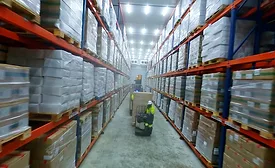
This article looks at what the FSMA 204/traceability requirements mean for temperature-controlled food storage and transportation, as well as processes and technologies that can support traceability throughout the fresh and frozen food supply chains.
 RSS
RSS