Food Safety
search
Ask Food Safety AI
cart
facebook twitter linkedin
  • Sign In
  • Create Account
  • Sign Out
  • My Account
Food Safety
  • NEWS
    • Latest News
    • White Papers
  • PRODUCTS
  • TOPICS
    • Contamination Control
    • Food Types
    • Management
    • Process Control
    • Regulatory
    • Sanitation
    • Supply Chain
    • Testing and Analysis
  • PODCAST
  • EXCLUSIVES
    • Food Safety Five Newsreel
    • eBooks
    • FSM Distinguished Service Award
    • Interactive Product Spotlights
    • Videos
  • BUYER'S GUIDE
  • MORE
    • ENEWSLETTER >
      • Archive Issues
      • Subscribe to eNews
    • Store
    • Sponsor Insights
    • ASK FSM AI
  • WEBINARS
  • FOOD SAFETY SUMMIT
  • EMAG
    • eMagazine
    • Archive Issues
    • Editorial Advisory Board
    • Contact
    • Advertise
  • SIGN UP!
ManagementCultureBest PracticesTraining

Building a Skilled and Capable Workforce for the Food Industry: Simplifying Food Safety Language

By Andrew Thomson, Matthew Wilson Ph.D.
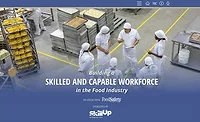
group of employees in production area leader in forefront

Image credit: Andresr/E+ via Getty Images

December 31, 2024

In recent times, Frank Yiannas, the former U.S. Food and Drug Administration (FDA) Deputy Commissioner for Food Policy and Response, has been a prominent voice on LinkedIn, calling for rethinking and innovation in food safety practices to protect the consumer. His calls come amid a troubling series of food recalls, foodborne illness outbreaks, food allergen issues, and other food safety challenges in the U.S. Yiannas' use of the term "rethinking" emphasises the urgent need to reassess our approach to food safety—not just at the policy level, but also on the kitchen/production floor, where daily food safety practices are implemented. This is a global issue that is not confined to any one country. 

This article is designed to contribute to this conversation, offering a practical perspective on improving food safety practices through simplified language, strategic training, and workforce development.

Introduction

Food safety training across the food supply chain often involves technical language derived from food law, certification standards, accredited training standards, and compliance frameworks. Phrases like "identify food safety hazards" dominate training programs and resources. But does this language promote true understanding and effective implementation among all food handlers and leaders? It also raises a critical, broader question: if management and employees do not fully grasp how a food safety management system works—or how it is supposed to work—then how can they improve it?

Bridging the Gap Between Knowledge and Practice

Improving food safety practices does not necessarily require a complete overhaul of systems. Sometimes, the solution lies in simplifying the language we use. The phrase "identify food safety hazards" is a good example. While it is accurate and based on legal and technical requirements, it can be vague or intimidating for those without a strong background in food safety. A more practical term, such as "spot food safety hazards," could drive better understanding and action.

The author does not suggest diluting the importance of food safety or reverting to meaningless expressions like "piping hot." Accuracy and correctness are critical in food safety. However, simplifying language to make it relatable and actionable for all levels of employees could bridge the gap between compliance and competence.

The Case for Simplification

Language shapes behavior. Using straightforward, action-oriented language like "spot hazards" encourages employees to engage actively with tasks and processes in their work setting. It prompts a more visual, hands-on approach to food safety, which aligns with how people naturally observe and process information in their surroundings.

This shift in language could lead to:

  • Improved operational understanding: Employees better grasp their role and how their actions contribute to prevention of food safety risks.
  • Enhanced communication: Simpler terms promote clearer communication across teams, especially in multicultural workplaces or for those with varying literacy levels.
  • Stronger food safety culture: Confident employees take ownership of food safety practices.

Making an Impact

Adopting simpler, action-oriented language might seem like a small or unnecessary change, but its impact can be profound. By improving understanding of food safety processes across all levels of a food business, this approach could lead to:

  • Lower rates of foodborne illness
  • Fewer product recalls
  • Enhanced consumer trust and brand reputation.

Ultimately, the question is not whether we can afford to change how we communicate food safety—it is whether we can afford not to.

Training for Competence, Not Compliance

In a previous article, the authors have stated that food safety training must go beyond ticking boxes for compliance.1 True competence requires knowledge and practical skills to enable employees to apply what they learn on the job confidently. The language used in training plays a critical role in shaping how well employees absorb and act on what they learn.

Looking for quick answers on food safety topics?
Try Ask FSM, our new smart AI search tool.
Ask FSM →

This straightforward approach is particularly effective across all food industry sectors, which rely on a wide and diverse workforce. Simplified, accessible language can help employees at all levels—regardless of their cultural, educational, or linguistic differences—better understand the critical role they play in producing safe food.

The Impact of a Well-Trained Workforce

A well-trained and knowledgeable employee provides the best protection against food safety risks. However, their value extends beyond hazard prevention. Proper training equips employees with the information and skills needed to be more active in maintaining and improving food safety systems. This raises the status of their roles, fosters pride and accountability, and can even reduce employee turnover. Employees who feel that they are a part of something important and are recognized for their contributions are far more likely to stay engaged and committed.

Effective training should:

  1. Simplify complex concepts: Break down technical terms into relatable, actionable language
  2. Encourage hands-on practice: Employees learn best by doing, so training should include exercises that replicate workplace scenarios
  3. Foster problem-solving skills: Employees should be equipped to recognize, analyse, and address potential hazards—not just follow checklists.

Building Skills for Long-Term Impact

Training must also prioritize continuous skills development to adapt to changing risks, technologies, and operational needs. This involves moving away from one-time sessions and embracing ongoing learning opportunities, such as micro-learning modules, on-the-job coaching, and peer-to-peer mentoring.

This training initiative is critical, particularly in the foodservice and hospitality sectors, where high turnover often undermines food safety practices. By linking training to career development, food businesses can strengthen their food safety systems to attract and retain skilled employees.

Starting a Practical Conversation

This article aims to generate a practical conversation about the role of simplified communication and robust training in food safety. By adopting straightforward language and focusing on skill development, we can better equip our employees to handle the challenges of modern approaches to producing food and distribution.

Leaders up and down the food supply chain have a pivotal role to play in this transformation. By championing strategic training initiatives, they can empower their teams, strengthen food safety systems, and restore consumer trust.

As Frank Yiannas advocates for rethinking food safety at every level, the conversation needs to include actionable steps for those who work closest to the risks—and the solutions. The future of food safety depends not just on innovative technologies or stricter food laws, but primarily on the people who make safe food possible every day.

By working collaboratively, we can create a skilled and capable workforce that aspires to maintain the highest standards of food safety, benefiting businesses, consumers, and public health.

Reference

  1. Thomson, A. and M. Wilson. "The Business Case for Building Food Safety Skills." Food Safety Magazine. October 28, 2024. https://www.food-safety.com/articles/9861-the-business-case-for-building-food-safety-skills. 

KEYWORDS: communication

Share This Story

Andrew Thomson is the Director of Think ST Solutions in Adelaide, Australia. With over 23 years of field experience, he has accumulated a wealth of expertise and formal qualifications. Andrew began his career as an Environmental Health Officer and Food Industry Teacher, and has since evolved into leadership roles within the foodservice industry. He holds qualifications as a teacher and lead auditor, among others, and is an academic staff member at the School of Agriculture, Food, and Wine at Adelaide University. He has presented at conferences in Australia and New Zealand and contributed as an author to Food Safety Magazine. He is also a member of the Australian Institute of Training and Development.

Matthew Wilson, Ph.D. is a Senior Lecturer in the School of Agriculture, Food, and Wine at the University of Adelaide in Australia. He has a diverse research background in food quality and preservation, horticulture, new crop development, plant physiology, and sustainability. Dr. Wilson has over 10 years of experience exploring the intersection between the environmental conditions influencing primary production and the resulting influences on food chemistry and sensory perception. This has led to an acute understanding of the factors determining food quality, as measured by microbiological, instrumental, and human-based means. As an education specialist, Dr. Wilson teaches in the Food and Nutrition Science program and is part of the Haide College teaching team. He teaches and assists with the development and delivery of several undergraduate and postgraduate courses.

Recommended Content

JOIN TODAY
to unlock your recommendations.

Already have an account? Sign In

  • people holding baby chicks

    Serovar Differences Matter: Utility of Deep Serotyping in Broiler Production and Processing

    This article discusses the significance of Salmonella in...
    Methods
    By: Nikki Shariat Ph.D.
  • woman washing hands

    Building a Culture of Hygiene in the Food Processing Plant

    Everyone entering a food processing facility needs to...
    Food Prep/Handling
    By: Richard F. Stier, M.S.
  • graphical representation of earth over dirt

    Climate Change and Emerging Risks to Food Safety: Building Climate Resilience

    This article examines the multifaceted threats to food...
    Contamination Control
    By: Maria Cristina Tirado Ph.D., D.V.M. and Shamini Albert Raj M.A.
Manage My Account
  • eMagazine Subscription
  • Subscribe to eNewsletter
  • Manage My Preferences
  • Website Registration
  • Subscription Customer Service

More Videos

Sponsored Content

Sponsored Content is a special paid section where industry companies provide high quality, objective, non-commercial content around topics of interest to the Food Safety Magazine audience. All Sponsored Content is supplied by the advertising company and any opinions expressed in this article are those of the author and not necessarily reflect the views of Food Safety Magazine or its parent company, BNP Media. Interested in participating in our Sponsored Content section? Contact your local rep!

close
  • Salmonella bacteria
    Sponsored byThermoFisher

    Food Microbiology Testing Methods: Salmonella species

  • a diagram explaining indicator organisms
    Sponsored byHygiena

    How Proactive Listeria Testing Helps Prevent Six- and Seven-Figure Recalls

  • woman grocery shopping
    Sponsored byCorbion

    Designing Safety Into Every Bite: Proactive Risk Mitigation for Refrigerated Foods

Popular Stories

NRTE breaded stuffed chicken

USDA Indefinitely Delays Enforcement of Salmonella as Adulterant in Raw Breaded, Stuffed Chicken

digital map of europe

EU Publishes Food Fraud Tool Mapping Thousands of Cases Since 2016

non-conforming product

How to Handle Non-Conforming Product

Events

December 11, 2025

How to Develop and Implement an Effective Food Defense Strategy

Live: December 11, 2025 at 2:00 pm EDT: From this webinar, attendees will learn common areas where companies encounter challenges in their food defense strategies and how to address them.

May 11, 2026

The Food Safety Summit

Stay informed on the latest food safety trends, innovations, emerging challenges, and expert analysis. Leave the Summit with actionable insights ready to drive measurable improvements in your organization. Do not miss this opportunity to learn from experts about contamination control, food safety culture, regulations, sanitation, supply chain traceability, and so much more.

View All

Products

Global Food Safety Microbial Interventions and Molecular Advancements

Global Food Safety Microbial Interventions and Molecular Advancements

See More Products

Related Articles

  • restaurant kitchen training

    Practical Training Aids for Effective Food Safety Training

    See More
  • Manager leading training session for group of employees

    Building a Skilled and Capable Workforce: Setting the Stage for Employee Learning

    See More
  • three smiling women kitchen staff

    Building a Skilled and Capable Workforce: Why Food Businesses Need Training Transition Plans

    See More

Related Products

See More Products
  • 1119053595.jpg

    Food Safety for the 21st Century: Managing HACCP and Food Safety throughout the Global Supply Chain, 2E

  • 1119258073.jpg

    FSMA and Food Safety Systems: Understanding and Implementing the Rules

  • 1119160553.jpg

    Food Safety: Innovative Analytical Tools for Safety Assessment

See More Products

Events

View AllSubmit An Event
  • September 9, 2025

    Strengthening the Food Safety Workforce Through Education and Training

    On Demand: From this webinar, attendees will learn how the global workforce shortage in food safety is affecting the food supply chain and creating gaps in food safety oversight.
View AllSubmit An Event

Related Directories

  • BD Food Safety Consultants LLC

    We are a Food Safety Training and Consulting firm located in Naperville, IL. Our primary goal is to provide with effective training and consulting solutions for Food Manufacturing and Distributing companies. Our training services include the following: FSPCA PCQI classes, IAVA Courses, IHA Accredited HACCP classes, FSVP Courses and Internal Auditor Training classes. We also offer Learning Management System for food manufacturing industry.
  • Spoiler Alert Food Safety

    Spoiler Alert! Food Safety is the premier cloud based digital food safety platform for iOS. This powerful yet simple to app allows you to; track food rotation, generate easy to read smart labels, track product life cycle and alert all of your mobile devices along the way. Our exclusive eco-friendly wash away labels rinse safely down the drain. Starting at just $9.99/mo. Start your 30 day FREE trial today. https://www.spoileralertfoodsafety.com Download in the App Store - Spoiler Alert Food Safety Developed in the U.S.A. by restaurant professionals, for restaurant professionals.
  • We R Food Safety Inc.

    Scalable, affordable and fully customizable software designed by industry experts and backed by a world-class team of consultants and support personnel. Our proprietary software modernizes your food safety systems, provides your staff real-time data and visibility. We have the ability to construct custom reporting providing you information that is important to your business.
×

Never miss the latest news and trends driving the food safety industry

eNewsletter | Website | eMagazine

JOIN TODAY!
  • RESOURCES
    • Advertise
    • Contact Us
    • Directories
    • Store
    • Want More
  • SIGN UP TODAY
    • Create Account
    • eMagazine
    • eNewsletter
    • Customer Service
    • Manage Preferences
  • SERVICES
    • Marketing Services
    • Reprints
    • Market Research
    • List Rental
    • Survey/Respondent Access
  • STAY CONNECTED
    • LinkedIn
    • Facebook
    • Instagram
    • X (Twitter)
  • PRIVACY
    • PRIVACY POLICY
    • TERMS & CONDITIONS
    • DO NOT SELL MY PERSONAL INFORMATION
    • PRIVACY REQUEST
    • ACCESSIBILITY

Copyright ©2025. All Rights Reserved BNP Media.

Design, CMS, Hosting & Web Development :: ePublishing