EU Report on Food Safety Alerts Highlights Top Hazards, Major Incidents in 2025
The European Commission has published its 2025 Annual Report on the Alert and Cooperation Network (ACN), revealing that the network processed a record 10,490 notifications in 2025, an 11 percent increase from 2024.
The ACN includes the Rapid Alert System for Food and Feed (RASFF), the Administrative Assistance and Cooperation (AAC), the EU Agri-Food Fraud Network, and other networks, enabling authorities across EU Member States to exchange information and coordinate responses to food safety incidents, food fraud, plant health and animal welfare issues, and other cross-border non-compliances.
According to the report, in 2025, RASFF notifications increased by 2 percent, while alert notifications increased by 14 percent, overtaking border rejections as the most common notification type. Germany, the Netherlands, and Belgium submitted the highest number of notifications. The Commission also reported a 46 percent decline in notifications flagged as suspected agri-food fraud, largely because pesticide residue notifications for products from third countries are no longer automatically classified as potential fraud.
Most Frequently Reported Food Categories
Food products accounted for the majority of ACN activity in 2025. The most frequently reported categories were:
- Fruits and vegetables: 1,572 notifications (18 percent of food notifications)
- Dietetic foods, food supplements, and fortified foods: 709 notifications (8 percent)
- Nuts, nut products, and seeds: 703 notifications (13 percent)
- Meat and meat products: Approximately 10.4 percent of notifications
- Cereals and bakery products: 487 notifications (6 percent)
- Feed: 494 notifications (5 percent)
- Herbs and spices: 377 notifications (4 percent)
- Fish and fish products: 347 notifications (4 percent)
- Confectionery: 339 notifications (4 percent)
- Food contact materials: 250 notifications (2.8 percent)
- Milk and milk products: 228 notifications (2.6 percent)
- Cocoa, coffee, and tea products: 225 notifications (2.6 percent)
Key Food Safety Trends
The report identified several recurring hazards across product categories:
- Fruits and vegetables: Pesticide residues accounted for 59 percent of notifications, followed by mycotoxins (15 percent). Most notifications (78 percent) involved products imported from non-EU countries, particularly Türkiye and Egypt.
- Nuts and seeds: More than half (53 percent) of notifications involved mycotoxins, primarily aflatoxins in groundnuts and pistachios. Alerts for pathogenic microorganisms (15 percent)— especially Salmonella—and improper documentation or controls (10 percent) were the second and third most frequent, respectively.
- Food supplements: Nearly 71 percent of notifications were flagged as potential fraud, and approximately half involved products sold online. Misleading health claims (41 percent) and cannabidiol (CBD)-related noncompliances (10 percent) were the most common reasons for reports. The presence of titanium dioxide (E171) also remains a recurring issue (4 percent), among noncompliances related to a variety of other authorized and unauthorized ingredients.
- Meat products: Salmonella was the leading hazard (43 percent), especially in poultry, while Shiga toxin-producing Escherichia coli (STEC) and Listeria monocytogenes were frequently reported in beef and pork products.
- Fish products: Pathogenic microorganisms—mainly L. monocytogenes— represented the largest hazard category (19 percent), followed by heavy metals like mercury and cadmium (16 percent), traceability issues (12 percent), adulteration and species substitution (8 percent), parasites (8 percent), and biological contaminants—mainly due to histamine (7 percent).
- Food-contact materials: More than half of notifications related to chemical migration hazards, including primary aromatic amines (14 percent of all reported issues), formaldehyde (7 percent), and volatile organic compounds (7 percent).
Notable EU Food Safety Incidents in 2025
The report highlighted several significant food safety events managed through the ACN during 2025.
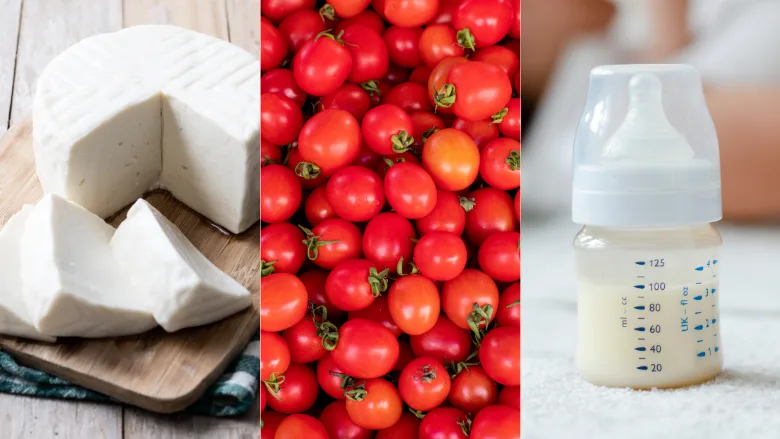
- Multi-Country Listeria Outbreak Linked to French Cheeses: A multinational outbreak of L. monocytogenes linked to pasteurized cow's and goat's milk cheeses produced in France resulted in 21 illnesses and two deaths. The recall eventually expanded to cheeses distributed under multiple private-label brands across 65 countries worldwide. The report emphasized that contamination likely occurred during production rather than through the use of raw milk.
- Cereulide Contamination in Infant Formula: The report described the incident involving cereulide-contaminated infant formula as one of the most significant multi-country food safety events managed through RASFF in recent years. Routine testing first detected cereulide contamination at Nestlé's facility in the Netherlands in late 2025. Subsequent investigations traced the contamination to arachidonic acid oil (AHA oil) imported from China, which had been supplied to multiple infant formula manufacturers. The incident affected products distributed in more than 60 countries and prompted coordinated recalls, the publication of a rapid risk assessment, new EU emergency import controls on Chinese AHA oil, and the establishment of safety thresholds for cereulide in formula. No confirmed severe health outcomes were reported, attributed to low levels of contamination and rapid implementation of recalls and regulatory measures.
- Salmonella Strathcona Outbreak Linked to Tomatoes: The report also highlighted a prolonged, multi-country outbreak of S. Strathcona associated with cherry and plum tomatoes from Sicily, Italy. Between 2023 and 2025, the outbreak caused more than 400 illnesses across Italy, Germany, Austria, and other EU countries, as well as the UK, Canada, and the U.S. Environmental sampling identified the outbreak strain in irrigation water at a tomato producer's site, confirming the role of the environment in tomato contamination.
- Ciguatera Poisoning Linked to Imported Snapper: German authorities reported three cases of ciguatera poisoning after consumers ate Malabar blood snapper imported from India. The implicated fish had been distributed to several European countries, prompting coordinated market withdrawals, although no additional illnesses were identified.
- Pharmaceutical Contaminants in Cucumbers: Slovenian authorities detected paracetamol (also known as acetaminophen) in cucumbers and gherkins imported from India, and the contaminated products were withdrawn from the market before processing. Another smaller, separate consignment from a different Indian supplier was later found to contain low concentrations of the drug. Investigators considered several possible contamination routes, including contaminated acetic acid used in the supply chain, contaminated irrigation water, environmental uptake by plants, or the use of contaminated agricultural inputs like snake control products.
- Heavy Metals in Food Contact Materials: Slovenian authorities reported decorated enamel mugs imported from China that released lead, aluminum, nickel, cobalt, barium, and manganese. The products had been distributed widely throughout Europe, prompting coordinated withdrawals, product destruction, and follow-up actions across countries.
The full 2025 Annual Report can be accessed here.
Looking for quick answers on food safety topics?
Try Ask FSM, our new smart AI search tool.
Ask FSM →