Raw Farm E. coli Outbreak Ends; Congress Questions Why FDA Never Used Mandatory Recall Authority
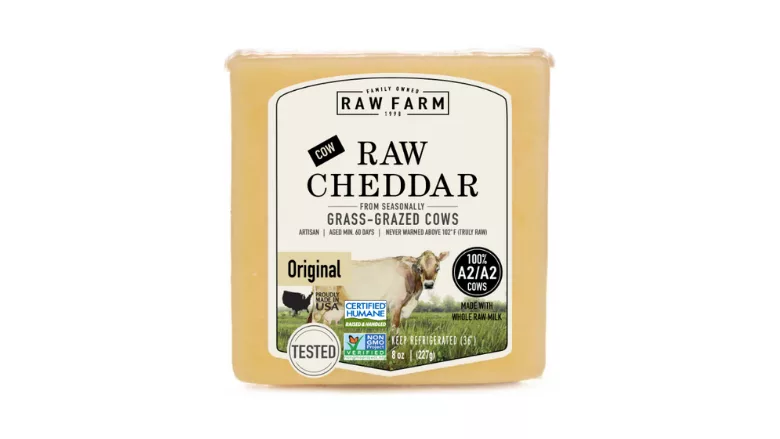
The U.S. Food and Drug Administration (FDA) and the U.S. Centers for Disease Control and Prevention (CDC) have declared the Escherichia coli O517:H7 outbreak linked to Raw Farm-brand unpasteurized (raw) cheese products to be over.
A total of nine illnesses were reported in three states, resulting in three hospitalizations and one case of hemolytic uremic syndrome (HUS). The onset of illnesses ranged from September 1, 2025 to February 20, 2026.
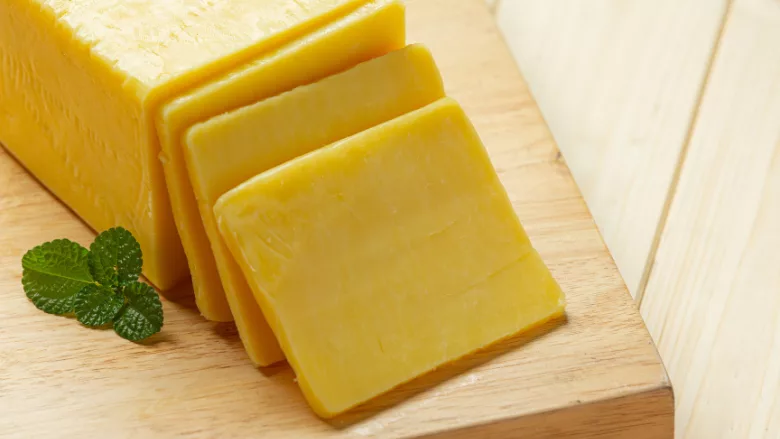
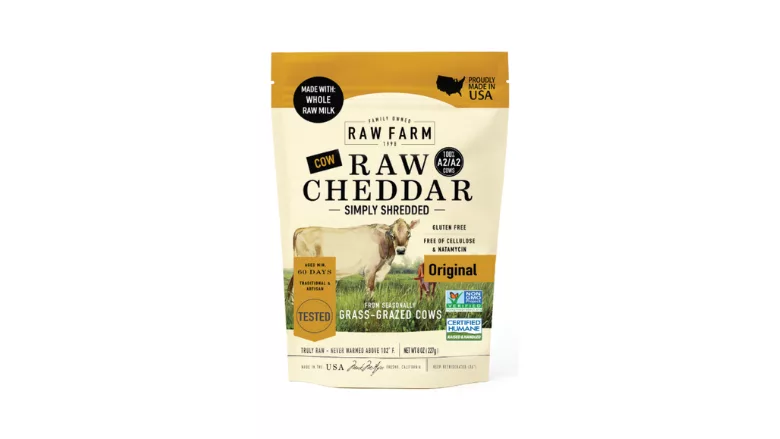
Epidemiologic evidence pointed to Raw Farm raw dairy as the likely vehicle of illness. Of the eight outbreak patients interviewed, seven reported consuming Raw Farm-brand dairy products, and the eighth person reported consuming raw milk but did not remember the brand. In 2026, five people reported consuming Raw Farm-brand Cheddar Cheese, and in 2025, two people reported consuming Raw Farm-brand raw milk.
As part of the outbreak investigation, FDA, in coordination with state partners, completed onsite inspections and sample collections at Raw Farm’s operations, including its farm and processing facilities in Fresno, California. FDA collected and analyzed 19 samples of the brand’s cheddar cheese products, one of which tested positive for E. coli O157:H7. However, FDA whole genome sequencing (WGS) matched the isolate from the positive sample to clinical isolates in a different outbreak that occurred in 2025 and has since ended. None of the patients in the older 2025 outbreak reported consuming any Raw Farm-brand raw dairy products.
The raw cheddar cheese that tested positive for E. coli was not shipped to stores and is not available for sale.
Raw Farm Initially Refused to Recall
Although FDA recommended that Raw Farm voluntarily recall its raw cheddar cheese products based on the epidemiological evidence implicating them as the likely vehicle of illness, the company refused to do so for several weeks, strongly disagreeing with FDA’s findings based on Raw Farm’s own sampling and testing that showed no evidence of E. coli contamination. Eventually, raw farm recalled its raw cheese products “under protest.”
In a statement to Food Safety Magazine explaining why Raw Farm opposed a recall, Founder Mark McAfee said the company "operates a ThermoFisher PCR pathogen lab and had 14,000 negative test results for the time period [in which people fell ill."
Looking for quick answers on food safety topics?
Try Ask FSM, our new smart AI search tool.
Ask FSM →
Remarking on the now-closed outbreak investigation's final findings, Mr. McAfee said that FDA did not find E. coli O157:H7 in any "retail-ready" samples, and the sample that tested positive for the unrelated E. coli O157:H7 strain was from young, aging cheese. He asserted that the aging process would have inactivated the pathogen.
Why Didn’t FDA Use Mandatory Recall Authority?
In an April 29 House Subcomittee on Health hearing, as well as in an open letter published in March by the Congressional Food Safety Caucus, U.S. legislators questioned why FDA did not leverage its authority to mandate a recall after Raw Farm refused to do so voluntarily. They asked whether U.S. Health Secretary Robert F. Kennedy Jr.’s relationship with Raw Farm might have influenced FDA’s hesitation to mandate a recall.
During the hearing, Representative Greg Landsman (D-Ohio) asserted that “Secretary Kennedy has a relationship with the CEO [of Raw Farm] and has very publicly supported the products that this company sells, and so there are obviously questions about whether [Raw Farm] was treated differently [by FDA].”
In response to Rep. Landsman’s questioning about how FDA’s treatment of Raw Farm might have differed from other instances in which the use of mandatory recall authority was justified, Steven Mandernach, J.D., Executive Director of the Association of Food and Drug Officials (AFDO), explained that FDA has very seldom used its mandatory recall authority—perhaps only twice to date—but equally few are the number of times a company has denied to issue a voluntary recall amid a critical public health threat. FDA did not provide any rationale for why it did not use its mandatory recall authority in the Raw Farm outbreak.
Mr. Mandernach called the decision “unusual” and said that AFDO also asked the question: “Why was mandatory recall authority not used in this case?”
Update, May 4, 2026: The article was edited to include a statement from Raw Farm.