The policy statement comes as raw milk consumption rises in popularity due to high-profile individuals and influencers touting its purported health benefits, and in the wake of a highly publicized case of a California toddler who fell severely ill after being infected with E. coli from raw goat’s milk.
As consumer interest in raw milk grows, questions persist about its safety and purported nutritional and health benefits. Examining the evidence can help producers, consumers, and regulators distinguish established risks from emerging science and unsupported claims.
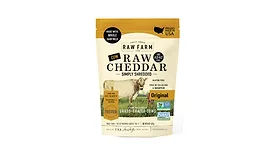
The E. coli outbreak involving Raw Farm unpasteurized dairy products has ended with one raw cheese sample matching isolates from a different 2025 outbreak. In an April 29 hearing, Congresspeople questioned whether U.S. Health Secretary Kennedy influenced FDA’s failure to mandate a recall.
Nearly all of the ill people interviewed reported consuming Raw Farm-brand raw dairy products. Testing and an onsite inspection of Raw Farm’s operation in California is ongoing. Raw Farm LLC has yet to issue a recall.
“If mandatory authority needs to be strengthened, the Food Safety Caucus stands ready to tackle this issue at FDA’s request,” wrote Congress members in a statement about the ongoing E. coli outbreak involving Raw Farm raw cheese products. Raw Farm has so far refused to recall.
In a new scientific opinion, the European Food Safety Authority (EFSA) says the risk of highly pathogenic avian influenza H5N1 (HPAI H5N1) spreading from U.S. dairy cattle to Europe is very low, but still stresses preparedness and heightened surveillance.
A new study found high levels of antimicrobial resistance (AMR) among bacteria isolated from unpasteurized (raw) cow and sheep milk in Pakistan, with the potential to spread resistance genes to other bacteria through the food chain.
In light of the ongoing highly pathogenic avian influenza H5N1 (HPAI H5N1) bird flu outbreak affecting North American dairy cattle, a new CDC report concluded that the risk of contracting bird flu from raw milk and dairy is “low, but theoretically possible.”
USDA-FSIS released a notice in late June that it plans to extend its H5N1 Influenza A Dairy Cow Testing Program until September 30. Meanwhile, the EU released a new guidance document on preparedness, prevention, and response for avian flu in animals and food.
Many raw foods pose a higher risk of contamination compared to their cooked or processed counterparts. Consumers making choices in pursuit of health and wellness deserve full transparency about both the risks and benefits of these foods.