Food Safety
search
Ask Food Safety AI
cart
facebook twitter linkedin
  • Sign In
  • Create Account
  • Sign Out
  • My Account
Food Safety
  • NEWS
    • Latest News
    • White Papers
  • PRODUCTS
  • TOPICS
    • Contamination Control
    • Food Types
    • Management
    • Process Control
    • Regulatory
    • Sanitation
    • Supply Chain
    • Testing and Analysis
  • PODCAST
  • EXCLUSIVES
    • Food Safety Five Newsreel
    • eBooks
    • FSM Distinguished Service Award
    • Interactive Product Spotlights
    • Videos
  • BUYER'S GUIDE
  • MORE
    • ENEWSLETTER >
      • Archive Issues
      • Subscribe to eNews
    • Store
    • Sponsor Insights
    • ASK FSM AI
  • WEBINARS
  • FOOD SAFETY SUMMIT
  • EMAG
    • eMagazine
    • Archive Issues
    • Editorial Advisory Board
    • Contact
    • Advertise
  • SIGN UP!
NewsContamination ControlFood TypeMicrobiologicalDairy/Eggs

H5N1 and the Growing Risk to Food Safety—Why Raw Milk Requires Special Attention

By David T. Dyjack Dr.P.H., C.I.H.
glass bottles of milk

Image credit: Freepik

January 8, 2025

The global surge in avian influenza outbreaks, particularly the highly pathogenic H5N1 strain, poses an escalating threat to food safety systems worldwide. While much of the discussion focuses on poultry products, a less visible but equally crucial concern is the potential contamination of raw milk. As a product consumed without pasteurization, raw milk represents a considerable vulnerability in our food supply chain. The National Environmental Health Association (NEHA), through its policy statements, emphasizes the importance of stringent controls and public education around raw milk consumption. For food safety professionals, these warnings are particularly urgent as H5N1 adds a new layer of complexity to an already challenging landscape.

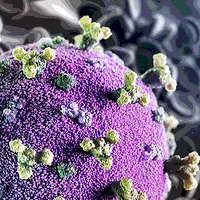
H5N1 is a subtype of the influenza A virus that primarily affects birds but has demonstrated the capacity to infect mammals, including humans. The high mortality rate of the virus among infected individuals and its potential for mutation make it a critical public health concern. Outbreaks in domestic poultry and wild birds have disrupted agricultural systems, creating economic ripples and threatening food security.

The risk between H5N1 and dairy products, particularly raw milk, lies in the interconnected nature of animal agriculture systems. Dairy farms often coexist with poultry operations, and shared water sources, feed supplies, or even employee cross-contact can facilitate virus transmission. The potential for H5N1 to contaminate raw milk, while theoretical, should not be dismissed, especially given the absence of processing to eliminate pathogens in raw milk products.

Raw milk, unpasteurized and consumed in its natural state, is a niche product with passionate advocates who often cite its perceived health benefits. NEHA and other public health authorities, however, consistently warn against its consumption due to the inherent risks of microbial contamination. Pasteurization is a proven process that destroys harmful pathogens such as Salmonella, Listeria, and Escherichia coli—organisms frequently found in raw milk. Without this important step, consumers are left vulnerable to foodborne illnesses.

NEHA’s raw milk policy statement underscores these dangers, advocating for policies that prioritize public health over market demand. For food safety professionals, the potential introduction of H5N1 into the raw milk supply chain amplifies these risks, making the need for vigilance even more pressing.

Food safety professionals play a pivotal role in mitigating these risks. Their responsibilities include implementing surveillance systems to detect H5N1 outbreaks in both poultry and dairy operations, developing and enforcing stringent mitigation measures on farms (such as separate equipment for poultry and dairy operations and mandatory sanitation procedures for workers), educating farmers and consumers about the risks, and supporting regulations that promote the use of pasteurization to safeguard public health.

The emergence of H5N1 underscores the importance of our food safety systems and our environmental health workforce to take proactive measures to protect public health. Raw milk, with its lack of pathogen-killing processing, represents a high-risk product that requires special attention. For food safety professionals, the call to action is clear: prioritize education, enforce regulations, and implement strong biosecurity measures. By adhering to the guidance outlined in NEHA’s raw milk policy statement and leveraging the expertise of environmental health professionals, we can build a safer, more resilient food system. The time to act is now—before the hypothetical risks of H5N1 contamination become a devastating reality.

Looking for quick answers on food safety topics?
Try Ask FSM, our new smart AI search tool.
Ask FSM →


KEYWORDS: HPAI National Environmental Health Association (NEHA) raw milk

Share This Story

David T. Dyjack, Dr.P.H., C.I.H. is the Executive Director of the National Environmental Health Association (NEHA).

Recommended Content

JOIN TODAY
to unlock your recommendations.

Already have an account? Sign In

  • people holding baby chicks

    Serovar Differences Matter: Utility of Deep Serotyping in Broiler Production and Processing

    This article discusses the significance of Salmonella in...
    Testing & Analysis
    By: Nikki Shariat Ph.D.
  • woman washing hands

    Building a Culture of Hygiene in the Food Processing Plant

    Everyone entering a food processing facility needs to...
    Sanitation
    By: Richard F. Stier, M.S.
  • graphical representation of earth over dirt

    Climate Change and Emerging Risks to Food Safety: Building Climate Resilience

    This article examines the multifaceted threats to food...
    Management
    By: Maria Cristina Tirado Ph.D., D.V.M. and Shamini Albert Raj M.A.
Manage My Account
  • eMagazine Subscription
  • Subscribe to eNewsletter
  • Manage My Preferences
  • Website Registration
  • Subscription Customer Service

More Videos

Sponsored Content

Sponsored Content is a special paid section where industry companies provide high quality, objective, non-commercial content around topics of interest to the Food Safety Magazine audience. All Sponsored Content is supplied by the advertising company and any opinions expressed in this article are those of the author and not necessarily reflect the views of Food Safety Magazine or its parent company, BNP Media. Interested in participating in our Sponsored Content section? Contact your local rep!

close
  • Salmonella bacteria
    Sponsored byThermoFisher

    Food Microbiology Testing Methods: Salmonella species

  • a diagram explaining indicator organisms
    Sponsored byHygiena

    How Proactive Listeria Testing Helps Prevent Six- and Seven-Figure Recalls

  • woman grocery shopping
    Sponsored byCorbion

    Designing Safety Into Every Bite: Proactive Risk Mitigation for Refrigerated Foods

Popular Stories

baby eating bottle

Infant Botulism Spike Exceeds 100 Cases, Extent of ByHeart's Involvement Unclear

NRTE breaded stuffed chicken

USDA Indefinitely Delays Enforcement of Salmonella as Adulterant in Raw Breaded, Stuffed Chicken

digital map of europe

EU Publishes Food Fraud Tool Mapping Thousands of Cases Since 2016

Events

December 11, 2025

How to Develop and Implement an Effective Food Defense Strategy

Live: December 11, 2025 at 2:00 pm EDT: From this webinar, attendees will learn common areas where companies encounter challenges in their food defense strategies and how to address them.

May 11, 2026

The Food Safety Summit

Stay informed on the latest food safety trends, innovations, emerging challenges, and expert analysis. Leave the Summit with actionable insights ready to drive measurable improvements in your organization. Do not miss this opportunity to learn from experts about contamination control, food safety culture, regulations, sanitation, supply chain traceability, and so much more.

View All

Products

Global Food Safety Microbial Interventions and Molecular Advancements

Global Food Safety Microbial Interventions and Molecular Advancements

See More Products

Related Articles

  • house cat sitting in front of food bowl looking at camera

    FDA Now Requires Raw Pet Food Manufacturers to Consider HPAI in Food Safety Plans

    See More
  • variety of aged cheeses

    FDA Begins Testing Assignment for HPAI H5N1 in Aged Raw Cow Milk Cheese

    See More
  • glass pitcher and cup of milk black background

    FDA Testing Finds HPAI in Retail Milk Samples; Research Required to Determine Infectivity, Food Safety Risk

    See More

Related Products

See More Products
  • 1119053595.jpg

    Food Safety for the 21st Century: Managing HACCP and Food Safety throughout the Global Supply Chain, 2E

  • food safety.jpg

    Food Safety Contaminants and Risk Assessment

  • 1119071127.jpg

    Food Safety, Risk Intelligence and Benchmarking

See More Products

Related Directories

  • Page & Pedersen International Ltd.

    P&P makes reliable analytical instruments for food safety and quality testing. Also supplying certiified calibration standards for milk composition analyzers and cryoscopes. LactiWhey for rapid fat & protein results, LactiCheck Analyzers test for fat, protein, solids, lactose (raw and processed milk) (Freezing-Point Cryoscopes) to tesy extraneous water in milk, moisture levels in cheese/yogurt (Halogen Infrared Moisture Analyzer) or see Somatic Cell Counts (automated image cytometry).
  • NorthStar Automation

    The NorthStar WMS utilizing barcode scanning provides functionality for the food industry: 1.) Full traceability 2.) Lot control 3.) Allergen control 4.) Mock recall 5.) 60+ reports and KPIs 6.) FIFO, FEFO
×

Never miss the latest news and trends driving the food safety industry

eNewsletter | Website | eMagazine

JOIN TODAY!
  • RESOURCES
    • Advertise
    • Contact Us
    • Directories
    • Store
    • Want More
  • SIGN UP TODAY
    • Create Account
    • eMagazine
    • eNewsletter
    • Customer Service
    • Manage Preferences
  • SERVICES
    • Marketing Services
    • Reprints
    • Market Research
    • List Rental
    • Survey/Respondent Access
  • STAY CONNECTED
    • LinkedIn
    • Facebook
    • Instagram
    • X (Twitter)
  • PRIVACY
    • PRIVACY POLICY
    • TERMS & CONDITIONS
    • DO NOT SELL MY PERSONAL INFORMATION
    • PRIVACY REQUEST
    • ACCESSIBILITY

Copyright ©2025. All Rights Reserved BNP Media.

Design, CMS, Hosting & Web Development :: ePublishing