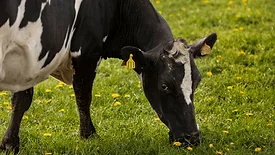
Antibodies for highly pathogenic avian influenza H5N1 (HPAI H5N1) have been detected in a Dutch dairy cow, indicating the animal was infected with the virus.
The top ten food safety research projects that excited Food Safety Magazine’s audience the most in 2025 covered Listeria monocytogenes (especially related to biofilms), microplastics, Escherichia coli, antimicrobial resistance (AMR), avian influenza in dairy, microbial threats in irrigation water, and food allergens.
In this year-end episode of Food Safety Matters, we round up the top stories of 2025, covering U.S. federal food safety policy changes under the Trump Administration, MAHA- and state-led moves against food additives of concern and ultra-processed foods, infant formula safety, science on Listeria and biofilms, ongoing monitoring of avian flu, and AI food safety applications.
In a new scientific opinion, the European Food Safety Authority (EFSA) says the risk of highly pathogenic avian influenza H5N1 (HPAI H5N1) spreading from U.S. dairy cattle to Europe is very low, but still stresses preparedness and heightened surveillance.
In light of the ongoing highly pathogenic avian influenza H5N1 (HPAI H5N1) bird flu outbreak affecting North American dairy cattle, a new CDC report concluded that the risk of contracting bird flu from raw milk and dairy is “low, but theoretically possible.”
According to a pre-publication version of a study conducted by Cornell University and backed by FDA, aging raw milk cheese may not be effective at eliminating the Highly Pathogenic Avian Influenza H5N1 virus. However, adequate heat treating or pH 5.0 conditions could be effective.
USDA has announced the availability of financial investments to combat the ongoing highly pathogenic avian influenza H5N1 outbreak, including $500 million for farm biosecurity and $100 million for the development of chicken vaccines and other therapeutics.
A partisan letter signed by 85 members of Congress has been sent to President Trump, expressing concerns about the communications freeze ordered for public health agencies like CDC and FDA, especially in light of the ongoing avian influenza H5N1 outbreak.
According to multiple sources, FDA is looking to reinstate staffers who were fired by the presidential administration last week, including at least ten people who are responsible for reviewing the safety of food ingredients. USDA is also working to rehire terminated employees responsible for avian influenza response.
The results of an FDA retail survey have been published, showing that pasteurization effectively inactivates avian influenza in dairy products other than milk, such as butter, ice cream, and cheese. USDA analyzed the samples collected by FDA.