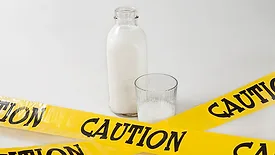
The policy statement comes as raw milk consumption rises in popularity due to high-profile individuals and influencers touting its purported health benefits, and in the wake of a highly publicized case of a California toddler who fell severely ill after being infected with E. coli from raw goat’s milk.
As consumer interest in raw milk grows, questions persist about its safety and purported nutritional and health benefits. Examining the evidence can help producers, consumers, and regulators distinguish established risks from emerging science and unsupported claims.
Considering the unprecedented ByHeart and Nara Organics infant botulism outbreak and with a focus on dairy ingredients, participants emphasized the need for prevalence research, more sensitive and standardized testing, data-sharing, validated preventive controls, and coordinated industry action.
Three Salmonella Enteritidis outbreak clusters potentially associated with imported eggs, one of which is part of a broader EU-wide outbreak, are under investigation. There is no evidence implicating UK-produced eggs. UKHSA emphasized that the overall risk to the public is low.
Four Salmonella Enteritidis ST11 outbreaks identified in France between May and July 2026 were linked to homemade egg-based foods and traced to a common egg distribution network in Poland. The same Polish food group was implicated in another multinational salmonellosis outbreak in 2016–2020.
Patients have fallen ill in 17 states, with 26 hospitalizations. Laboratory, epidemiological, and traceback investigations point to eggs produced by Texas-based Midwest Poultry Services as the likely vehicle of illness.
The American Dairy Science Association (ADSA) event will be held on August 31–September 3, 2026 in Itasca, Illinois, under the theme “Dairy and the Environment: Challenges and Opportunities.”
For a time, ByHeart Nutrition and Nara Organics both used Organic West milk dried by Dairy Farmers of America in their infant formula products (confirmed by Food Fix). Both brands have been implicated in botulism outbreaks that occurred within months of each other.
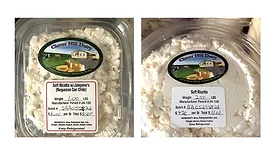
The now-recalled requeson cheese was produced by Maryland-based Clover Hill Dairy. Patients have been identified in New York, Maryland, and Virginia, with the earliest illness occurring in early 2023 and the most recent in May 2026.
 RSS
RSS