Study Identifies Critical Temperature Threshold During Food Processing to Inactivate Norovirus
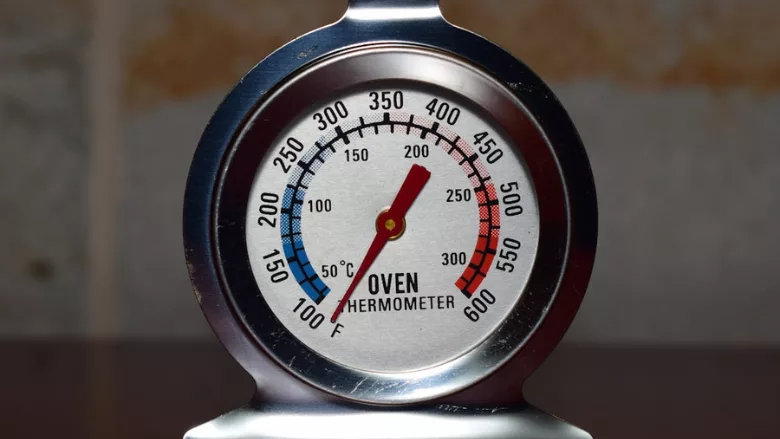
A new in vitro study has identified a critical temperature threshold for inactivating human norovirus, reinforcing the importance of heating foods above 60 °C to reduce foodborne illness risk.
The study was conducted by researchers at the New Zealand Institute for Public Health and Forensic Science and was published in Food Control.
Despite the public health burden of foodborne norovirus infections, robust quantitative data on norovirus infectivity following heat treatment have remained limited. Addressing this gap, the researchers evaluated norovirus infectivity after short heat exposures ranging from 50–60 °C (122–140 °F) for one, five, and ten minutes using human intestinal enteroids (HIEs), a cell culture system that supports replication of human norovirus.
The researchers focused on shorter exposure times reflective of typical food preparation practices. They also used small sample volumes to minimize ramp-up time to target temperatures, aiming to provide a more realistic assessment of thermal treatments used in food processing.
Infectivity Declined Rapidly Above 54 °C
The findings showed that temperatures at or above 54 °C significantly reduced norovirus infectivity compared to untreated controls. Above 58 °C, no viral replication was detected under the study conditions, indicating infectivity had fallen below the assay’s limit of detection. No statistically significant reduction in infectivity was observed at temperatures below 54 °C, even after ten minutes of exposure.
Maximum Inactivation Occurred After One Minute at 60 °C
Notably, at 59.4 °C and 60 °C, no detectable replication occurred after just one minute of exposure, corresponding to an approximately 3-log₁₀ reduction in infectivity. This reduction was observed at 60 °C after one, five, and ten minutes, with no significant differences in reduction after longer exposure times, suggesting that inactivation occurred rapidly once the critical temperature threshold was exceeded.
The observations of minimal norovirus inactivation at temperatures below 54 °C and rapid exponential inactivation at temperatures above 54 °C aligned with previously reported thermal inactivation behavior for norovirus virus-like particles and murine norovirus.
Looking for quick answers on food safety topics?
Try Ask FSM, our new smart AI search tool.
Ask FSM →
Implications for Food Safety
As the study tested a single norovirus genotype in phosphate-buffered saline, the researchers noted that complex food matrices containing fats and proteins could protect viruses from heat and require more intensive treatment. Nonetheless, the findings provided quantitative evidence that heating above 60 °C is critical for norovirus inactivation.
The authors concluded that the data could inform improved thermal processing recommendations aimed at reducing norovirus transmission and reducing foodborne illnesses.