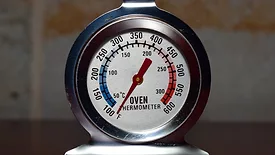
Maximum reductions in norovirus infectivity occurred rapidly once temperatures reached 60 °C (140 °F). The findings could help inform improved thermal processing recommendations for foodborne norovirus.
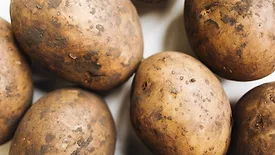
A laboratory study has provided new insights into the efficacy of peroxyacetic acid (PAA) and chlorine dioxide against Escherichia coli, Listeria monocytogenes, and norovirus in wash water during potato processing, and investigated cross-contamination risks in batch washing and water reuse scenarios.
For those foodborne illnesses where a specific food item was identified, vegetables represented the single largest food category in terms of reported illness cases, followed by composite meals, seafood, and buffet food.
Approximately 40 percent of foodborne illness outbreaks associated with retail food establishments during 2017–2019 were caused by an infectious employee, according to the U.S. Centers for Disease Control and Prevention (CDC).
The Food and Agriculture Organization of the United Nations (FAO) and the World Health Organization (WHO) are calling for experts and data to contribute to the future work of the Joint FAO/WHO Expert Meetings on Microbial Risk Assessment (JEMRA) in the area of human enteric viruses in foods.
A recent study is one of the first to explore the interactions between rotavirus, hepatitis A, and norovirus with biofilms comprising spoilage bacteria and lactic acid bacteria on plastic, stainless steel, and glass surfaces.
A recent study evaluated four commercial disinfectants that are listed by EPA as being "active" against human norovirus. The study found that three of the disinfectants did not work well against the virus. The fourth, however, was found to be very effective at killing norovirus.
An evaluation of kitchen staff in Denmark, conducted by the Danish Veterinary and Food Administration, found that there is room for improvement in staff norovirus education and training.